Chethan Kumar in Parallax: Why countries sometimes need to reinvent the wheel
With countries increasingly depending on technology imports, worries over control and access to essential systems intensify. This dependence on external vendors can expose nations to risks during times of geopolitical instability or supply chain hiccups. Creating local alternatives may not always be cost-effective, yet it aids in establishing self-reliance. The case of India's UPI underscores the…
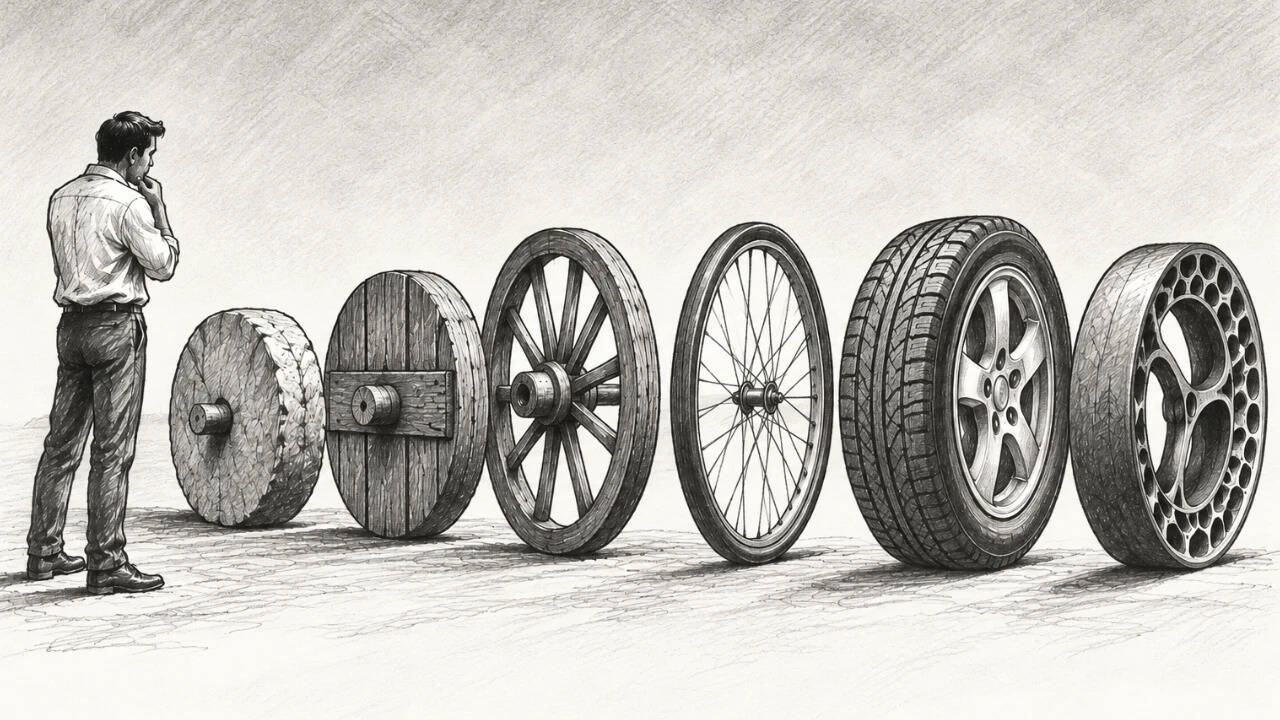
In Parallax, Chethan Kumar discusses why countries sometimes need to reinvent technology instead of simply importing it. The common belief is that buying off-the-shelf solutions saves money and time, but this logic fails when the technology becomes essential and controlled by a foreign entity.
For instance, satellite internet services like Starlink can provide internet access to remote areas, but the country using the service may not have control over its operation, access, or termination. This control issue extends to various sectors, including semiconductors, telecom equipment, navigation systems, payment networks, cloud infrastructure, medical supplies, and artificial intelligence.
Reinventing technology doesn't mean every country needs to manufacture everything domestically. It is more about having the capability to produce critical components, maintain systems, and switch to alternative suppliers if necessary. For example, India's digital payment system, UPI, developed by NPCI, benefits from being locally controlled, providing an option to shape its architecture and rules.
The idea is not to become self-sufficient but to ensure that dependency on foreign technology remains a choice rather than a compulsion. The focus should be on developing the knowledge and industrial capacity to produce critical components and maintain technological systems, rather than just importing them or putting a domestic label on foreign designs. The objective is to maintain connectivity with the world while preserving the option to switch providers if needed.
Written by urgent.news from Times of India's reporting — not their text. Machine-written — may contain errors; check the original before relying on it.