Cartagena’s Door Knockers: The Symbols That Tell the Story Behind Its Colonial Doors
Visitors walking through Cartagena’s Historic Center often stop to admire its wooden balconies, colorful facades, churches and walls. However, smaller details are also part of the city’s architectural identity, including the door knockers that remain installed on the doors of some historic homes. These metal pieces, also known as knockers, initially served a practical purpose: […]
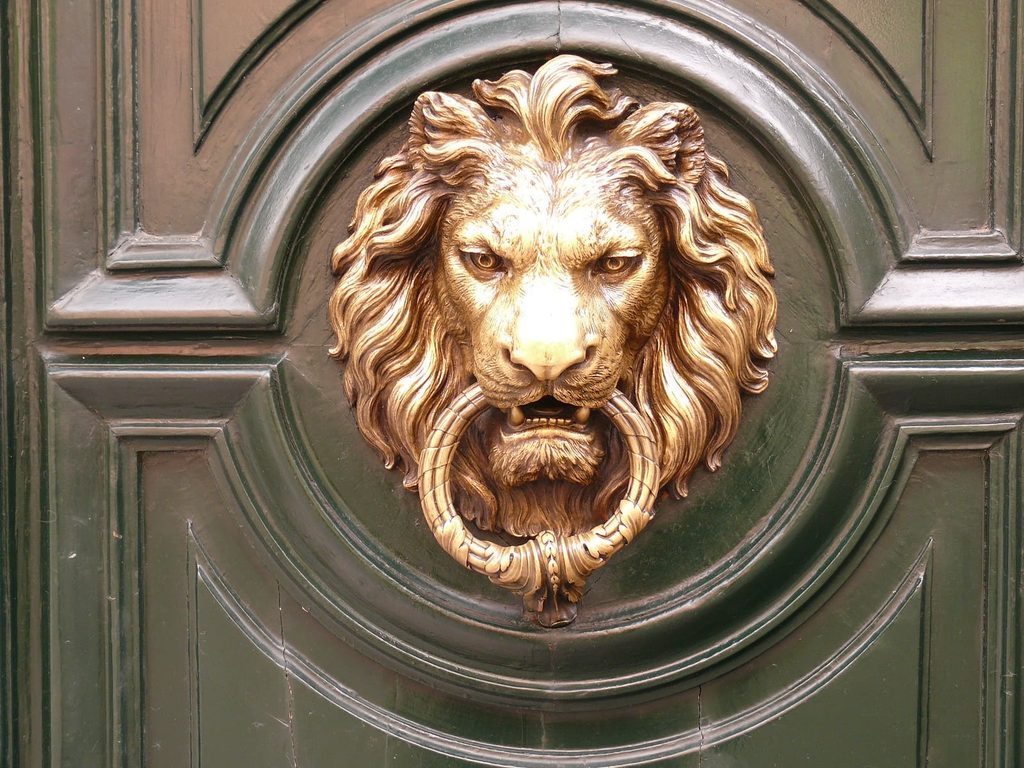
Cartagena's Historic Center is renowned for its ornate door knockers that adorn the doors of historic homes. These metal pieces, known as knockers, served a practical purpose in announcing visitors' arrivals but also held deeper meanings related to social status, profession, and lineage. The design, size, and motifs of the knockers could communicate the image a family wished to project to the outside world.
Unlike mere decorative accessories, these objects formed part of a visual language that conveyed information about the inhabitants of the homes they resided on. Door knockers in Cartagena trace their history back to ancient Rome and the Islamic world, later becoming common features in churches, castles, and homes during the European Middle Ages.
Upon the arrival of the Spanish in the Americas, these designs were brought to Cartagena due to its importance as a port of the Spanish Empire. By the 16th, 17th, and 18th centuries, residential doors were decorated with various ironwork, including door knockers and larger door hardware. The materials used for these knockers varied, with wrought iron, bronze, and other metals being common choices, employing casting and forging techniques.
Some of the oldest examples even featured rings that could be used to both knock on the door and assist in opening or closing large wooden doors. One of the most striking aspects of Cartagena's door knockers is the variety of figures used. The lion, for instance, represents strength, authority, and power and is often found on houses associated with military figures or prominent families.
The iguana or lizard also holds significance, being associated with families of Spanish origin or connections to the Spanish Crown, along with meanings related to vigilance and protection. Maritime figures, such as fish, mermaids, and seahorses, are unique to Cartagena and reflect the city's thriving colonial port activities. The presence of these maritime motifs is particularly notable in the city's architectural identity.
Another well-known symbol is the hand, which could be linked to protection, spirituality, and hospitality. Some knockers feature the so-called Hand of Fatima, an Islamic symbol traditionally used as a protective amulet. Religious figures on colonial doors also emphasized the connection between the inhabitants of a home, the Church, and their faith.
The saying "A tal casa, tal aldaba" (Such a house, such a door knocker) reflects the strong association between the appearance of a door and the status of the people who lived there.
Written by urgent.news from Colombia One's reporting — not their text. Machine-written — may contain errors; check the original before relying on it.