Bursa Malaysia seen trading within 1,600-1,630 points range next week with cautious upside bias
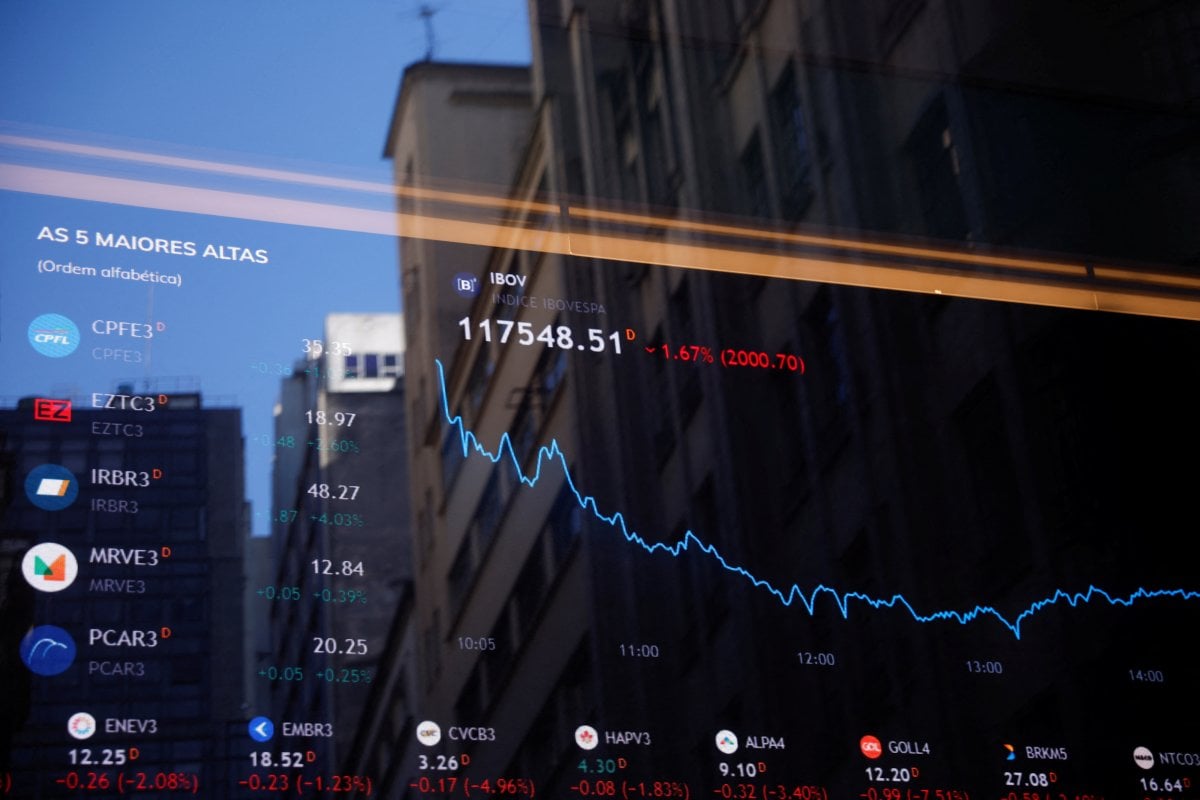
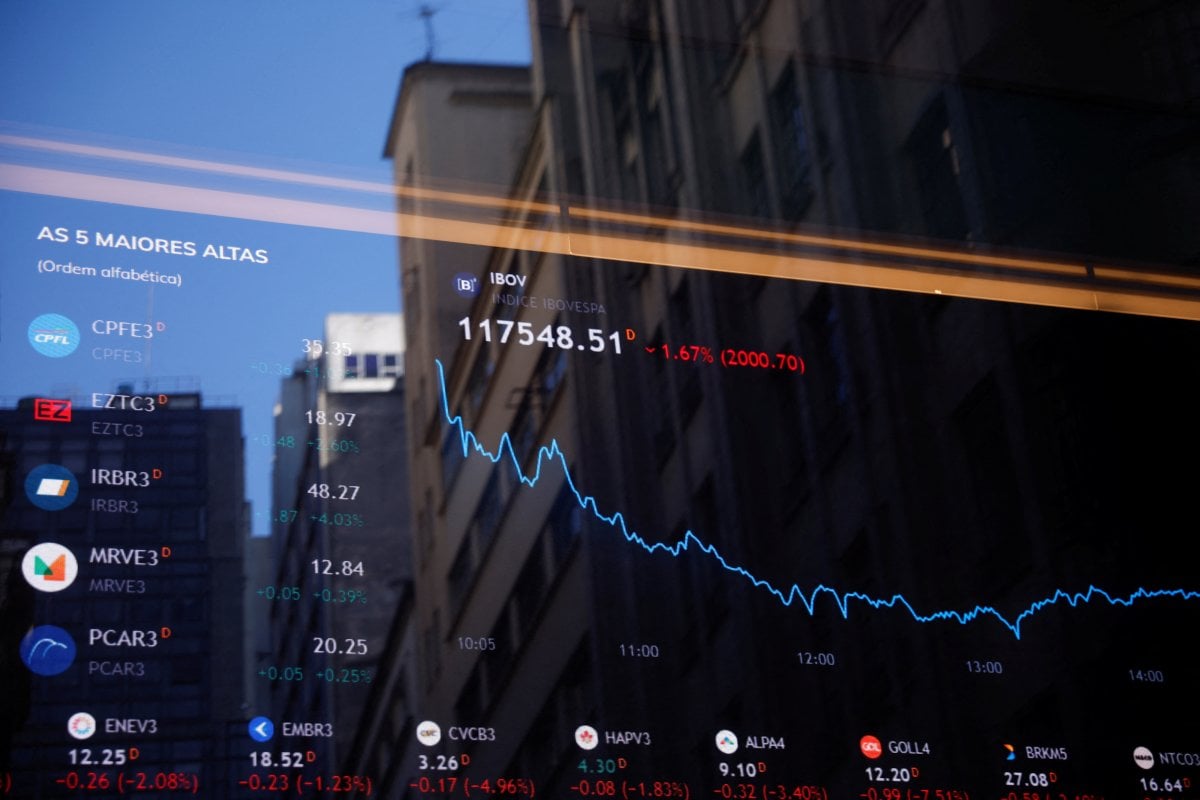
KUALA LUMPUR: Bursa Malaysia is expected to trade within the 1,600-1,630 points range next week, with a cautious upside bias on selective accumulation of blue chips.
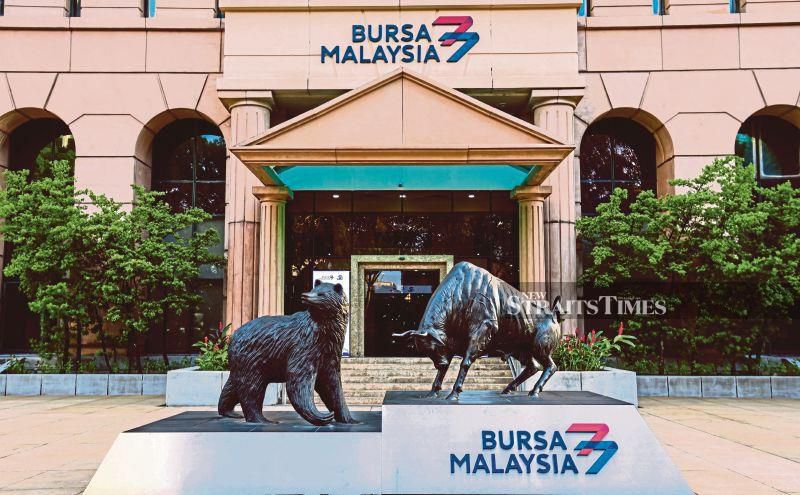
Bursa Malaysia is anticipated to fluctuate within a trading range of 1,600-1,630 points during the upcoming week, with a cautious optimism for an upward trend. Thong Pak Leng, the vice-president of equity research at Rakuten Trade Sdn Bhd, expressed that valuations are becoming more appealing, though investor sentiment remains uncertain and could impede buying activity.
Looking ahead, selective bargain hunting is expected to provide support for a gradual market recovery, albeit geopolitical uncertainties, high energy prices, and volatile bond yields may constrain upside potential.
For the trading week concluded last Friday, Bursa Malaysia predominantly saw an uptick, propelled by enhanced investor sentiment and concluded the week with a rise, bolstered by market optimism and persistent buying momentum following the 2027 Budget announcement. The federal government allocated a combined total of RM459.8 billion in the 2027 Budget, a 3.6% increase from the revised 2026 allocation, accounting for 19.8% of the country's gross domestic product (GDP).
Of this sum, RM376.8 billion was designated for operating expenditure, while RM83 billion was earmarked for development expenditure. Education received the largest portion, approximately RM69 billion, followed by health at RM47.7 billion and security with RM44 billion.
Prime Minister Datuk Seri Anwar Ibrahim unveiled that Khazanah Nasional Bhd and InvestPenang are planning to establish a RM100 million Strategic Investment Fund to bolster semiconductor and advanced manufacturing enterprises in their early stages of growth. Mohd Sedek Jantan, the Director of Investment Strategy and Country Economist at IPPFA Sdn Bhd, projected a GDP growth of 4.9% for 2027, within the official range of 4.2%-5.2%.
The key to maintaining this growth hinges on robust private consumption and investment, the fiscal multiplier of public spending, and the degree to which public investment stimulates private capital.
RHB Investment Bank Bhd (RHB IB) forecasted that investment growth in 2027 will be driven by an increased development expenditure of RM83 billion, compared to RM81 billion in 2026, primarily allocated toward transportation, education, healthcare, and trade and industry. The construction sector is poised to benefit from substantial infrastructure projects, including the East Coast Rail Link (ECRL), Elevated Autonomous Rapid Transit (E-ART) system, Kuala Lumpur Northern Dispersal Expressway (KL NODE), and Light Rail Transit Line 3 (LRT3) Phase 2.
RHB IB also noted that the services sector will persist as a significant growth contributor, buoyed by consistent private consumption, heightened tourist arrivals following Visit Malaysia 2026-2027, and efforts to expedite digital-economy development. The bank remains largely optimistic about manufacturing growth, driven by ongoing expansion in export-oriented industries, sustained investment spending, and pro-business policies.
However, external factors, such as the sustainability of the artificial intelligence investment cycle, geopolitical tensions, and U.S. tariff policy developments, may impact export demand and investment decisions. Despite these external uncertainties, Malaysia's diverse economic foundation and supportive domestic policies may offer some protection against these challenges.
Written by urgent.news from New Straits Times's reporting — not their text. Machine-written — may contain errors; check the original before relying on it.