Beyond the berths: How African ports are competing for millions in cruise passenger onshore spending
Cruise destinations across Africa are trying to turn short port calls into safari, wildlife, cultural and inland tourism spending. Cape Town is showing how quickly the market can grow.
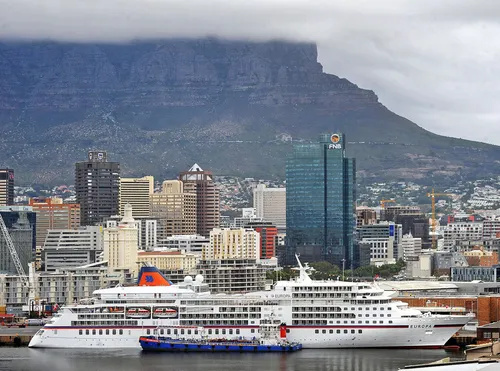
African ports are increasingly vying for the substantial spending power of cruise passengers, with Cape Town leading the charge in South Africa. The city saw a significant rise in cruise ship visits, from 70 vessels carrying 78,000 passengers in the 2022/23 season to 79 vessels carrying 127,000 passengers in the 2024/25 season. This growth has translated into a notable economic impact, with cruise tourism contributing R4.34 billion to the Western Cape GDP and R5.32 billion to the South African GDP across three seasons.
Beyond the main terminal, ports like Mossel Bay, Hermanus, and Saldanha Bay are also capitalizing on this trend, with 32,000 passengers spending R47.5 million locally in 2024/25. This shift is driven by ports investing in infrastructure and destinations developing more attractions and experiences around cruise passengers. In Ghana, cruise operators are promoting heritage experiences, while Kenya is working to integrate cruise passengers into its safari economy, aiming to increase park revenues by up to 40%.
Brief written by urgent.news from IOL's own syndicated text. Machine-written — may contain errors; check the original before relying on it.