Bar Association urges proxy cap, electronic voting to curb building bid-rigging
The Hong Kong Bar Association has suggested capping the number of proxies a person can hold at homeowners’ meetings, without restricting who may act as a proxy, stressing that improving transparency and introducing an electronic voting system could help to deter abuse in large-scale maintenance procurement. Speaking to the South China Morning Post, association chairman Jose-Antonio Maurellet…
The Hong Kong Bar Association has recommended limiting the number of proxies that may be held at homeowners’ meetings, as well as implementing electronic voting to curb bid-rigging and protect transparency during large-scale maintenance procurement projects. Jose-Antonio Maurellet, the association’s chairman, expressed reservations regarding a government proposal that would restrict an owner’s representative to a relative or another owner in the same estate, arguing that such a restriction could be too burdensome. He favored increasing transparency instead.
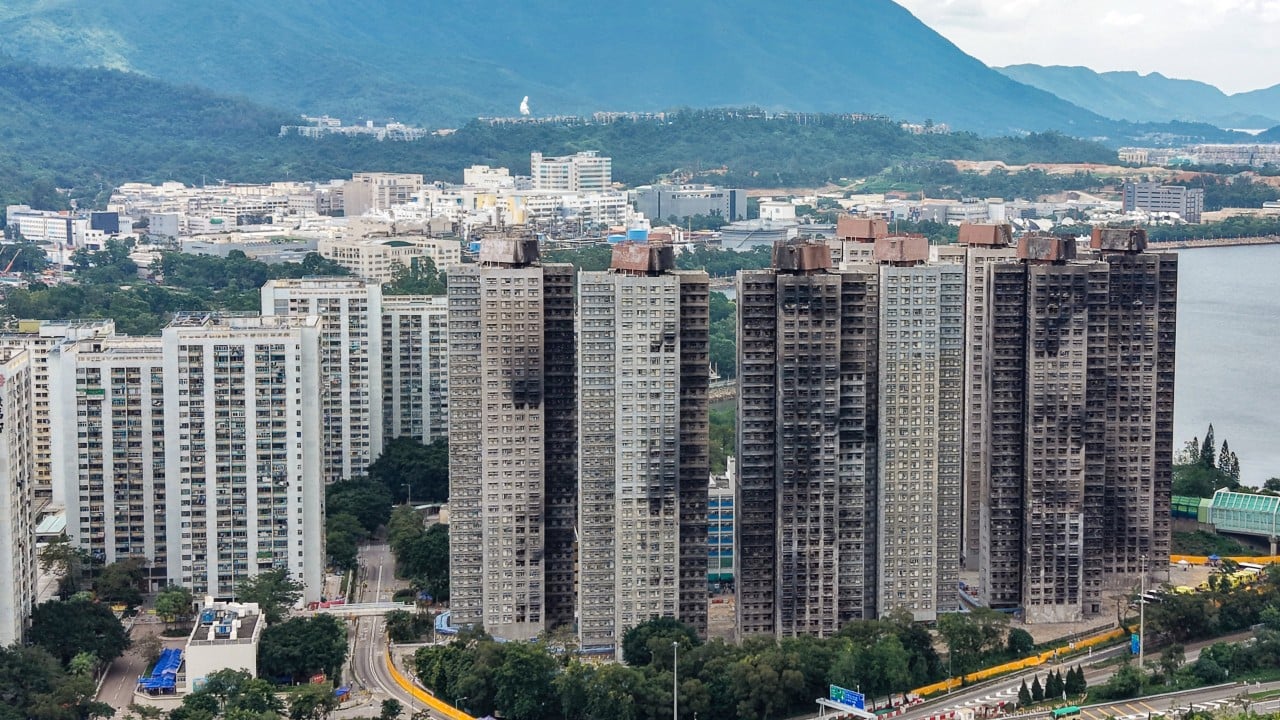
The association’s proposal came in response to the Wang Fuk Court housing estate fire, which resulted in 168 deaths and displaced approximately 5,000 residents. The investigation uncovered systemic bid-rigging and anticompetitive behavior during the renovation project, valued at HK$336 million (US$43.1 million).
Maurellet suggested that property management companies could monitor proxy holders by examining signatures, conducting random audits on a portion of proxy holders, reviewing irregularities, or even reporting cases to the police. Although past investigations showed that property management firms could be involved in bid-rigging, Maurellet maintained that property managers could act as the primary gatekeepers in the current structure.
He also proposed setting up an electronic voting platform to reduce the reliance on proxies, stating that this would enhance participation and voting turnout. The proposed statutory cap for proxy holding is one proxy for buildings with 50 flats or fewer, and up to 20 proxies or less than 2% of the total flats in buildings with more than 50 flats, whichever is lower.
The association also supported the government’s proposed tiered system for attendance and voting requirements in large-scale and high-value maintenance procurement decisions. The tiered system would require 20% of owners to attend meetings for projects worth over HK$120,000 per flat, 10% or 200 owners to vote in person for projects worth HK$30,000 or HK$80,000 per flat, and lower thresholds for projects in between.
The association suggested that affected owners or interested parties could request directions from the Lands Tribunal to prevent the paralysis of decision-making processes.
Written by urgent.news from South China Morning Post's reporting — not their text. Machine-written — may contain errors; check the original before relying on it.