Asia's richest country offers haze treatment subsidies as air quality deteriorates
Singapore will activate haze-related medical subsidies on Monday, capping treatment costs at S$10 (US$7.82) for eligible patients as worsening air quality raises health concerns.
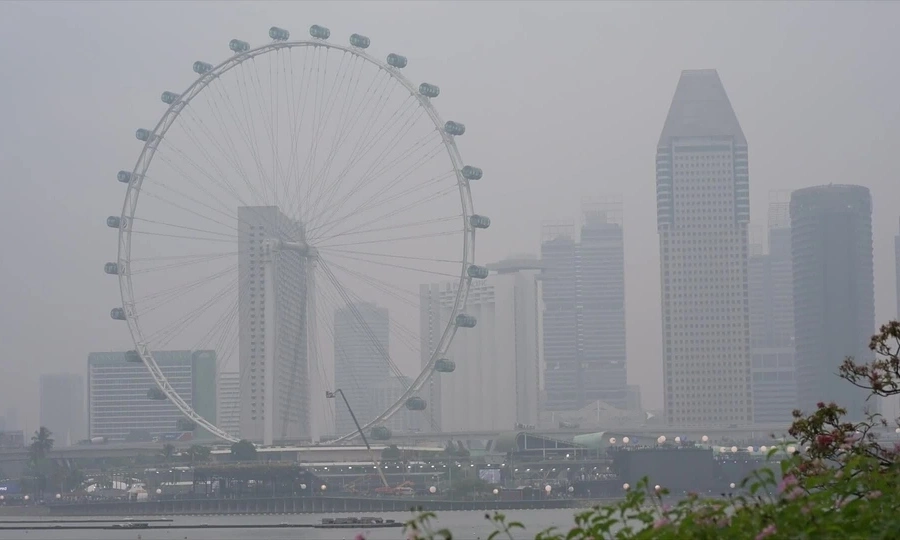
Singapore, Asia's wealthiest nation, has introduced subsidies to help alleviate the effects of deteriorating air quality caused by transboundary haze. The Public Health Preparedness Clinic (PHPC) Scheme, under the Ministry of Health, will provide financial assistance to individuals seeking treatment for haze-related illnesses. Eligible groups, such as children under 18, seniors aged 65 and above, and those with specific health cards, will only need to pay a maximum of S$10 for treatment at participating polyclinics and PHPC clinics.
Pioneer Generation and Merdeka Generation seniors, as well as those receiving Public Assistance, will have their out-of-pocket expenses capped at S$5, while those on the Haze Subsidy Scheme (HSS) will receive fully subsidized treatment. Health Minister Ong Ye Kung announced the activation of both schemes in response to the worsening haze conditions.
The HSS was last used during a similar crisis in 2015. The PHPC Scheme coordinates primary healthcare responses and provides subsidized treatment during public health alerts and emergencies, including haze events. As of the latest data, 24-hour PSI readings in different regions of Singapore were between 117 and 150, marking a slight improvement from the previous day's peak of 183.
Singapore's Air Quality Index (AQI) reached 216 on Friday morning, classifying it as "very unhealthy" due to smoke from forest fires in neighboring Indonesia. The government has prepared additional measures, such as distributing N95 masks and opening air-conditioned haze shelters, if the PSI rises above 200. Schools may also be closed if the next day's air quality forecast exceeds 300.
Rewritten by urgent.news; may contain errors — check the original.
Source: e.vnexpress.net