Arizona’s Chiricahua poised to become 64th US National Park
Chiricahua National Monument in the southeastern corner of Arizona is poised to become the U.S.'s 64th national park. The post Arizona’s Chiricahua poised to become 64th US National Park first appeared on EarthSky .
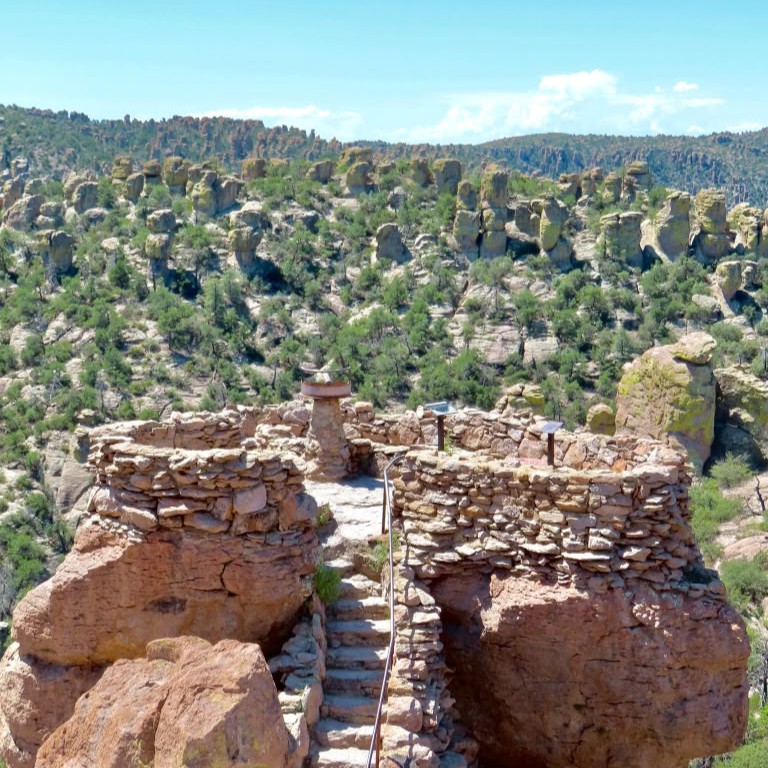
Chiricahua National Monument in southeastern Arizona is on the cusp of becoming the 64th national park in the United States. Located within the Chiricahua Mountains, the park is renowned for its striking collection of rock formations shaped by ancient volcanic eruptions some 27 million years ago. These eruptions spewed ash and molten rock, which later compacted into rhyolite tuff. Over time, water and wind erosion carved out the distinctive pinnacles and hoodoos that characterize the landscape today.
The park already holds the distinction of being an International Dark Sky Park, a designation that highlights its commitment to preserving the night sky for stargazing. Arizona's desert environment, with its excellent visibility for astronomy, makes Chiricahua an ideal location for both daytime and nighttime activities. The park is open 24 hours a day, with popular stargazing spots including Massai Point and Echo Canyon Trailhead.
Campgrounds provide opportunities for visitors to experience the night sky under the open desert sky.
Wildlife enthusiasts will find ample opportunities to observe a diverse array of animals in the park, including black bears, white-tailed deer, rattlesnakes, and the tiger salamander. Among the park's most notable residents are coatimundi, long-tailed raccoon-like animals that are active during the day and often seen in social groups. These charismatic creatures provide a unique draw for animal watchers.
However, the transition to national park status could pose challenges, particularly in terms of visitor management. In 2025, the park received about 70,400 visitors, and this number is expected to increase with national park status. Currently, there is only one campground with 26 sites, and no lodging facilities. This influx of tourists may strain the park's infrastructure, including roads, trails, wildlife habitats, and water resources, as well as the limited staff available to manage the park.
Despite these concerns, the designation of Chiricahua as a national park could also bring economic benefits to the surrounding communities. Increased tourism could generate revenue for local businesses, while also raising awareness of the park's ecological and cultural significance. Ultimately, the decision to grant national park status involves weighing the potential benefits and drawbacks, ensuring that the preservation of this unique landscape is maintained while accommodating the needs of visitors.
Written by urgent.news from EarthSky's reporting — not their text. Machine-written — may contain errors; check the original before relying on it.