2027 Budget defies pre-election expectations, says Williams
KUALA LUMPUR: The 2027 Budget has defied expectations of a pre-election spending spree, with the government opting for a conservative approach rather than more generous handouts to win over voters.
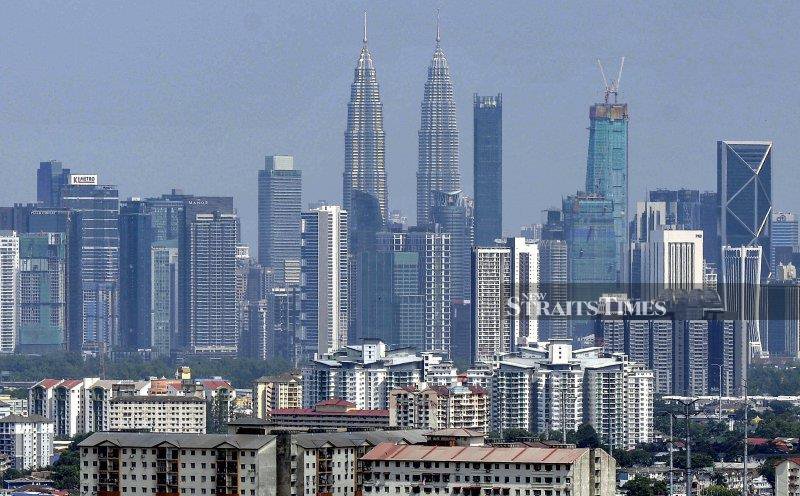
In Malaysia, the 2027 Budget has surprised many by avoiding a pre-election spending spree, according to economist Dr Geoffrey Williams. The government has opted for a conservative approach, contrary to the anticipation of more substantial handouts to sway voters. The current parliamentary term concludes in December 2027, with the next general election mandated to take place within 60 days of dissolution.
Williams described the RM459.8 billion federal budget as "very steady, very stable, very conservative," noting the limited benefits for middle-income households. The budget encompasses RM16 billion in cash assistance, an increase in the minimum wage to RM2,000, and higher individual income tax relief. While Williams did not rule out supplementary budget measures ahead of the election, it remains uncertain whether the government will introduce new measures depending on the dissolution date of Parliament.
Regarding government debt, Williams highlighted that the improving debt-to-GDP ratio does not necessarily indicate a reduction in outstanding borrowings. The majority of the debt increase is attributed to higher growth rates, which is a long-term structural issue rather than a decline in debt-to-GDP ratio. Debt-servicing costs continue to consume a considerable portion of the government's operating expenditure, restricting funds for other priorities.
The government predicts that debt-servicing charges will rise by 6.5% to RM61.01 billion in 2027, representing approximately 16% of the projected federal government revenue next year. To strengthen the revenue base, Williams suggested focusing on improving the efficiency of the existing tax system, given the increasing volume of digital transactions.
He also proposed a one percent tax on electronic payments, which could potentially generate nearly RM30 billion if implemented based on his model. Major risks to Malaysia's economic and fiscal outlook over the next year include rising oil prices and political uncertainty surrounding the timing of the next general election.
Written by urgent.news from New Straits Times's reporting — not their text. Machine-written — may contain errors; check the original before relying on it.