Why are EU gas prices not higher already?
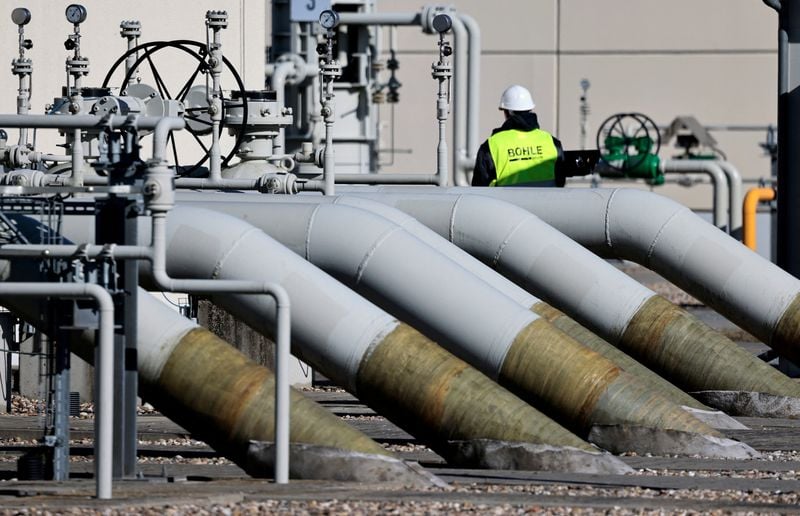
European natural gas prices have remained relatively stable, in spite of significant disruptions to LNG exports from the Middle East, as new supply and reduced demand have helped to offset the impact, according to UBS analysts. A report issued on October 5 highlighted how higher LNG production outside the Middle East, coupled with lower consumption across Europe and Asia, had helped to counter the supply losses caused by the Iran conflict.
Middle Eastern LNG exports fell by around 60 billion cubic metres (bcm) between March and September, while additional production elsewhere added up to nearly 40 bcm, including 17 bcm from the United States. At the same time, Asian LNG imports dropped roughly 9 bcm year-on-year, and European imports decreased by approximately 10 bcm, which limited immediate price pressures.
However, UBS has cautioned that these offsets might not be enough once winter approaches and heating demand rises. Presently, European gas storage levels are about 15% below seasonal norms, with stocks expected to enter the winter at 74% capacity and drop to roughly 25% by spring. The bank anticipates Europe may need about 27 bcm more LNG during the winter compared to the current summer months, with Asian demand potentially increasing by another 2 bcm to over 20 bcm.
Consequently, UBS has raised its fourth-quarter Dutch TTF gas price estimate to €75 per megawatt-hour from €62 previously. Its forecast for 2027 also increased to €45 from €40, taking into account expectations of a slower rebound in Qatari LNG shipments and ongoing European efforts to gradually reduce reliance on Russian gas. In a prolonged disruption scenario coupled with colder weather, UBS predicts fourth-quarter TTF prices averaging €90/MWh, with potential peaks close to €120/MWh.
On the other hand, a quicker recovery in Qatari shipments and milder temperatures could push fourth-quarter prices towards €50/MWh. UBS believes that the recovery in LNG supply will progress more slowly than oil due to shipping, infrastructure, and contractual constraints. The bank believes that the pace of Qatari export recovery and winter temperatures will determine whether Europe's relatively subdued gas price response persists.
Rewritten by urgent.news; may contain errors — check the original.
Source: investing.com