What a desert lizard teaches us about patents and the GLP-1 revolution
The GLP-1 story shows how patents can reward discovery and push rivals to develop better drugs.
After decades of steadily rising obesity rates, America's obesity rate peaked in 2022 at 39.9% according to Gallup. However, this year, the rate dropped to 36.4%. A significant factor contributing to this decline is the widespread use of GLP-1 weight-loss medicines, with one in nine adults currently taking treatments such as Wegovy or Zepbound.
This ten-fold increase in users since 2022 is expected to continue as the price of these drugs drops. Initially, these weight-loss treatments cost over $1,000 per month, but now patients can purchase them for as little as $149 a month due to competition among manufacturers reducing prices. This transformation is partly attributed to a desert lizard and the patent system.
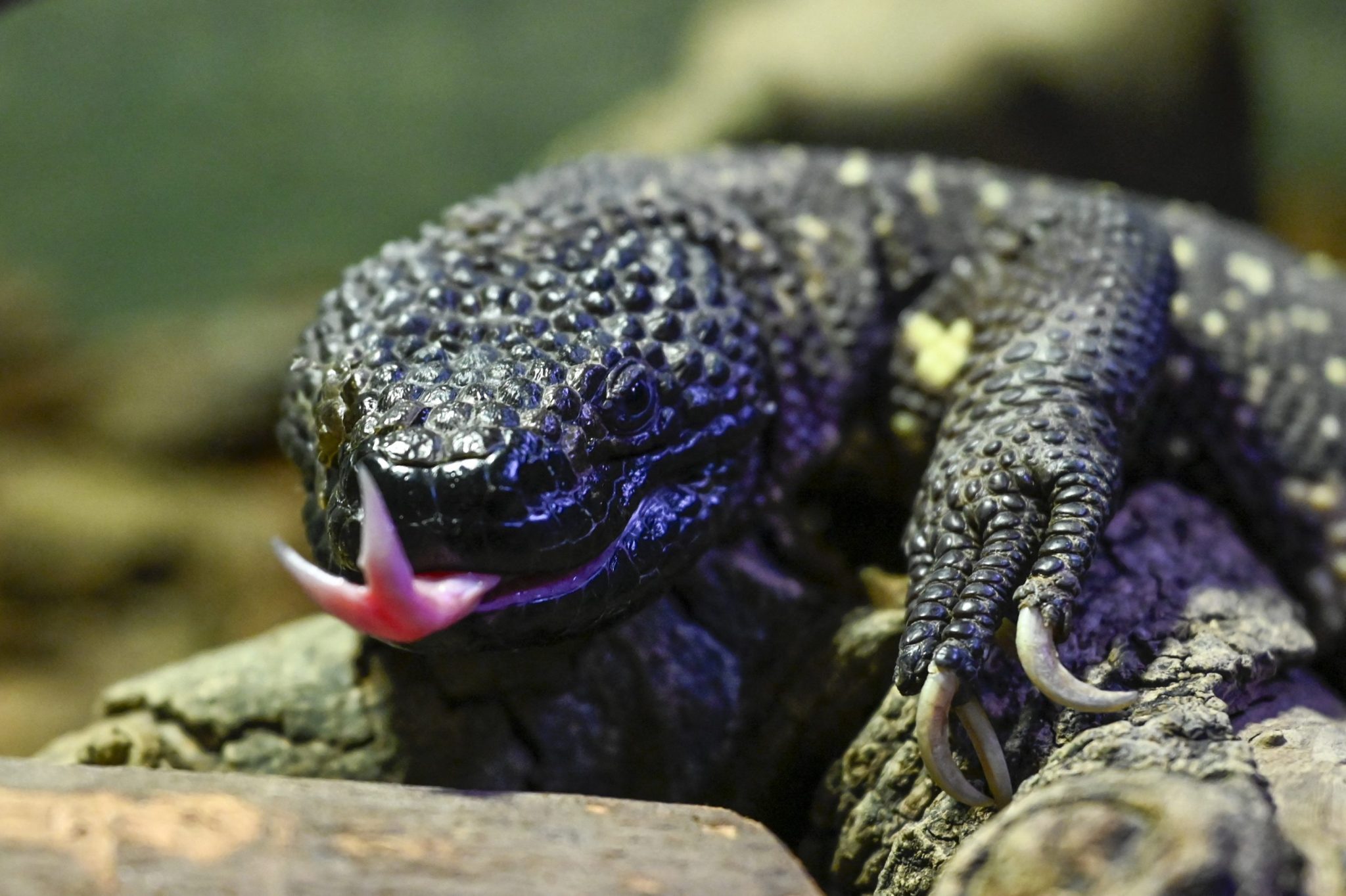
In 1990, John Eng, an endocrinologist, isolated a peptide from Gila monsters, which mimicked the human hormone GLP-1. This peptide remained active for longer than natural GLP-1, prompting the pancreas to release insulin and making people feel full. Dr. Eng patented this peptide, which was later developed into the first GLP-1 medicine.
This 15-year journey from discovery to drug approval would not have been possible without patent protections. Patents require innovators to disclose their discoveries, providing companies a limited period of exclusivity to earn a return on their investment. Patents typically do not stifle competition but instead promote it by requiring companies to invest in developing their own patented products rather than simply copying rivals.
The patent system has established safeguards to address exceptions where patents may not be warranted. As patent protections for blockbuster weight-loss drugs like Wegovy expire, generic versions are expected to flood the market at significantly lower costs, making these medicines even more accessible for patients and beneficial for society.
Written by urgent.news from Fortune's reporting — not their text. Machine-written — may contain errors; check the original before relying on it.