Wall Street’s rate shock spreads beneath AI-fueled market rally
10-year US Treasuries near 5.4%—a high since 2002—as Brent crude stays above $100, fueling inflation fears
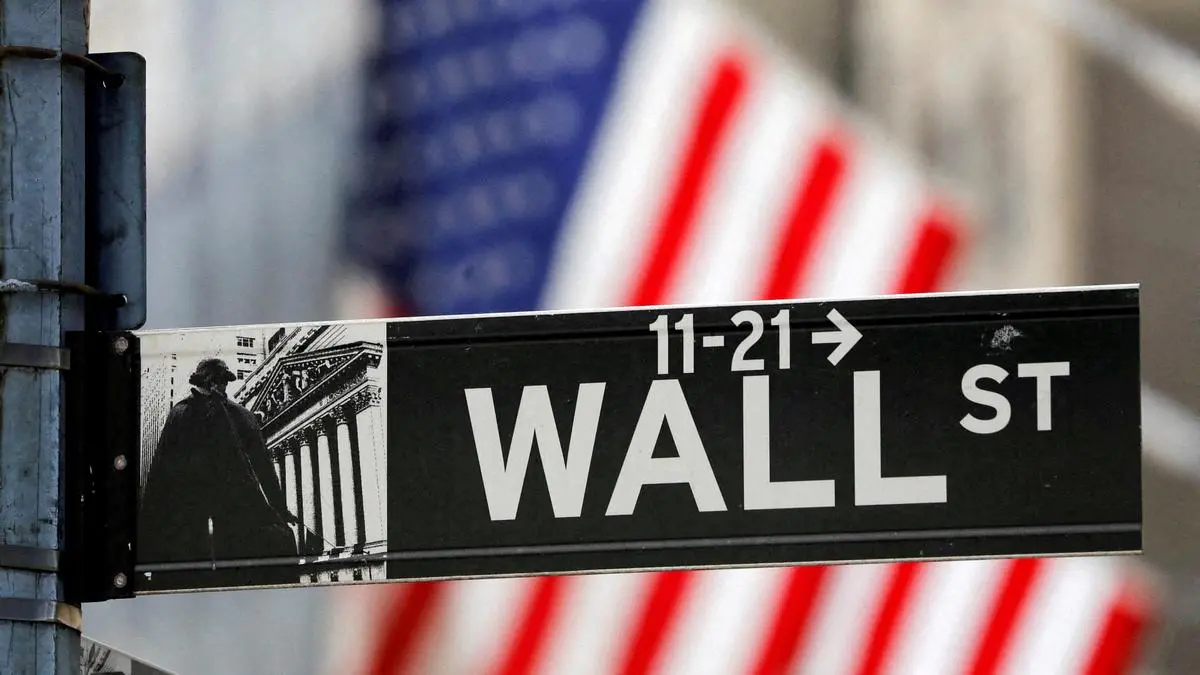
The AI-fueled momentum behind major stock indexes is overshadowing a deepening retreat across financial markets, as surging oil prices and mounting borrowing costs take their toll. Treasury yields neared 5.4% this week, the highest since 2002, as Brent crude surpassed $100 a barrel, sparking concerns over prolonged inflation. Borrowing costs in the UK hit a 19-year peak, adding pressure on French government debt.
Despite the turmoil, the major equity benchmarks have held firm. The S&P 500 reached a record high on Tuesday, fell over the following two days due to AI demand fears, and recovered by Friday as traders anticipated another strong earnings season. The index remains near its peak. Economic growth is enabling investors to focus on rising yields and geopolitical instability.
However, the market's resilience hinges on investor focus. Only a third of S&P 500 holdings trade above their 50-day moving averages, a key indicator of near-term breadth. The situation is grimmer for the rate-sensitive Russell 2000, with just 27% of its small-cap stocks above that threshold. Government bonds issued by riskier borrowers yield about 15%, a steep challenge for firms needing refinancing.
High-yield corporate spreads have widened, and a junk-bond ETF has fallen to its lowest level since last spring's trade war-driven sell-off. New equity listings are feeling the chill, with several high-profile delays attributed to higher interest rates by NYSE Group President Lynn Martin. James St. Aubin, chief investment officer at Ocean Park Asset Management, noted that the bond market is tightening financial conditions independently of the Fed.
The risk is that an initial energy shock could evolve into an earnings problem, and the equity market has yet to fully account for this possibility. Currently, investors are trimming positions vulnerable to fluctuating bond yields and costly financing, such as speculative credit and currency carry trades. The Russell 2000 recorded its fifth straight weekly decline, down about 8.5% from its peak and nearing correction territory, while real estate stocks continued a losing streak.
In contrast, the S&P 500 and tech-heavy Nasdaq 100 both rose. The recent decline in chipmakers highlighted that even the AI sector is susceptible to confidence shifts. The sustainability of big indexes in withstanding this pressure may depend on future developments in oil and bonds. If oil stays high and yields climb to 6%, the S&P 500 could drop more than 20% next year, according to Societe Generale strategists.
A drop in yields to 4% and oil to $80, coupled with improved tech fundamentals, could allow for continued gains, they wrote in a recent note. "A 5% yield creates a valuation headwind but at 6% we should see a credit event," which is more likely to occur among highly leveraged sovereign entities, Kabra explained in an interview. "All questions are now about the fiscal stability and debt sustainability of sovereigns."
Ocean Park's St. Aubin says his firm's models have identified downtrends in several investments exposed to higher rates, prompting the team to reduce exposure to credit-sensitive assets, including high-yield debt, given the widening spreads. He considers below-investment-grade credit spreads "the true barometer of fear," and the widening since mid-September is particularly alarming.
The S&P 500's record high was achieved with unprecedentedly thin participation, with only 30% of the index's components trading above their 50-day moving average, the weakest breadth among all record days since Bloomberg data began in 1990. Some investors are exiting the party before the squeeze hits the market's winners. Jeff Muhlenkamp, whose $270 million fund has outperformed the S&P 500 this year, has increased energy holdings and sold nearly all AI-related positions.
"I'm happy to leave the party while it is still in full swing," he stated, referring to the AI frenzy. "Financing is still available. When it is exhausted, it will be game over."
Written by urgent.news from Hindu BusinessLine's reporting — not their text. Machine-written — may contain errors; check the original before relying on it.