Unauthorised oil blending could tarnish Malaysia’s global image, experts warn
KUALA LUMPUR, Oct 10 — Oil blending activities must obtain written approval from the Customs director-genera...
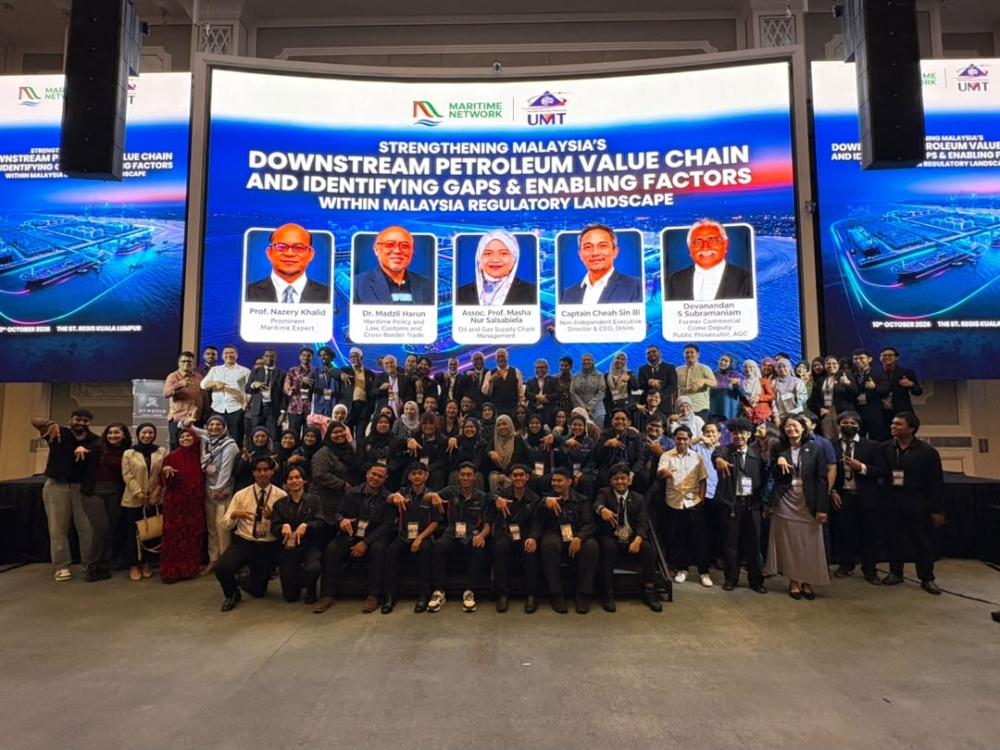
Malaysia's global reputation could be compromised by unauthorized oil blending activities, according to experts. Any such blending must be approved in writing by the Customs director-general and accompanied by comprehensive documentation to ensure adherence to laws and transparent transactions. Madzli Harun, a maritime, customs and cross-border trade policy and law expert, emphasized that every activity related to the import, storage, blending and re-export of oil must be conducted within the licensed scope and the conditions established by authorities.
Blending can alter a product's composition and specifications, so precise records are essential to confirm quantities, cargo movements, and the product's condition before and after the process. Relevant documents like contracts, bills of lading and cargo manifests must align to ensure declared information matches actual transactions and product conditions.
Madzli warned that incomplete documentation or discrepancies between records and the actual cargo condition could question the declaration of goods, regulatory compliance, and tax treatment. A detailed audit is crucial to ensure the volumes of oil received, stored, blended, and exported can be identified and matched against the pertinent documents.
Datuk Seri R. Jeyenderan, chief executive officer of Maritime Network Sdn Bhd, emphasized that responsible petroleum cargo management is vital for safeguarding the country's interests and ensuring future generations inherit a maritime industry built on transparency, safety, and accountability. In cross-border trade, determining the origin of goods and their eligibility for treatment under free trade agreements relies on the rules of origin and relevant supporting documents.
Therefore, operators must ensure every transaction complies with set conditions, while authorities must maintain adequate records to assess compliance levels and tax implications. Maritime industry expert Nazery Khalid stressed that blending without approval, monitoring, compliance, and proper documentation must be taken seriously, as such incidents could endanger health and safety and undermine the integrity of monitoring authorities.
Weaknesses and lack of integrity in documentation, supervision, and enforcement could not only jeopardize public safety and the environment but also damage the confidence of industry players, trading partners, and the international community in Malaysia's transparent cargo-handling regulatory system.
Written by urgent.news from Malay Mail's reporting — not their text. Machine-written — may contain errors; check the original before relying on it.
This story
This is one outlet's version. Read the fullest account.