Ukraine war exposes the treacherous nature of geopolitical ambitions
In a world on the brink of a catastrophic conflict, the Ukraine war underscores the deadly consequences of geopolitical ambition and the urgent need for a reevaluation of international relations guided by mutual respect and understanding.
The ongoing Ukraine war has brought to light the duplicitous nature of geopolitical ambitions. Initially, Russia accused NATO of deliberately disregarding its pleas not to expand its borders toward Russia's doorstep. This strategic move was driven by NATO's expansionist agenda, which threatened Russia's security. Russia has consistently expressed its security concerns to both NATO and the United States, reminding them of their Cold War agreement not to expand eastward.
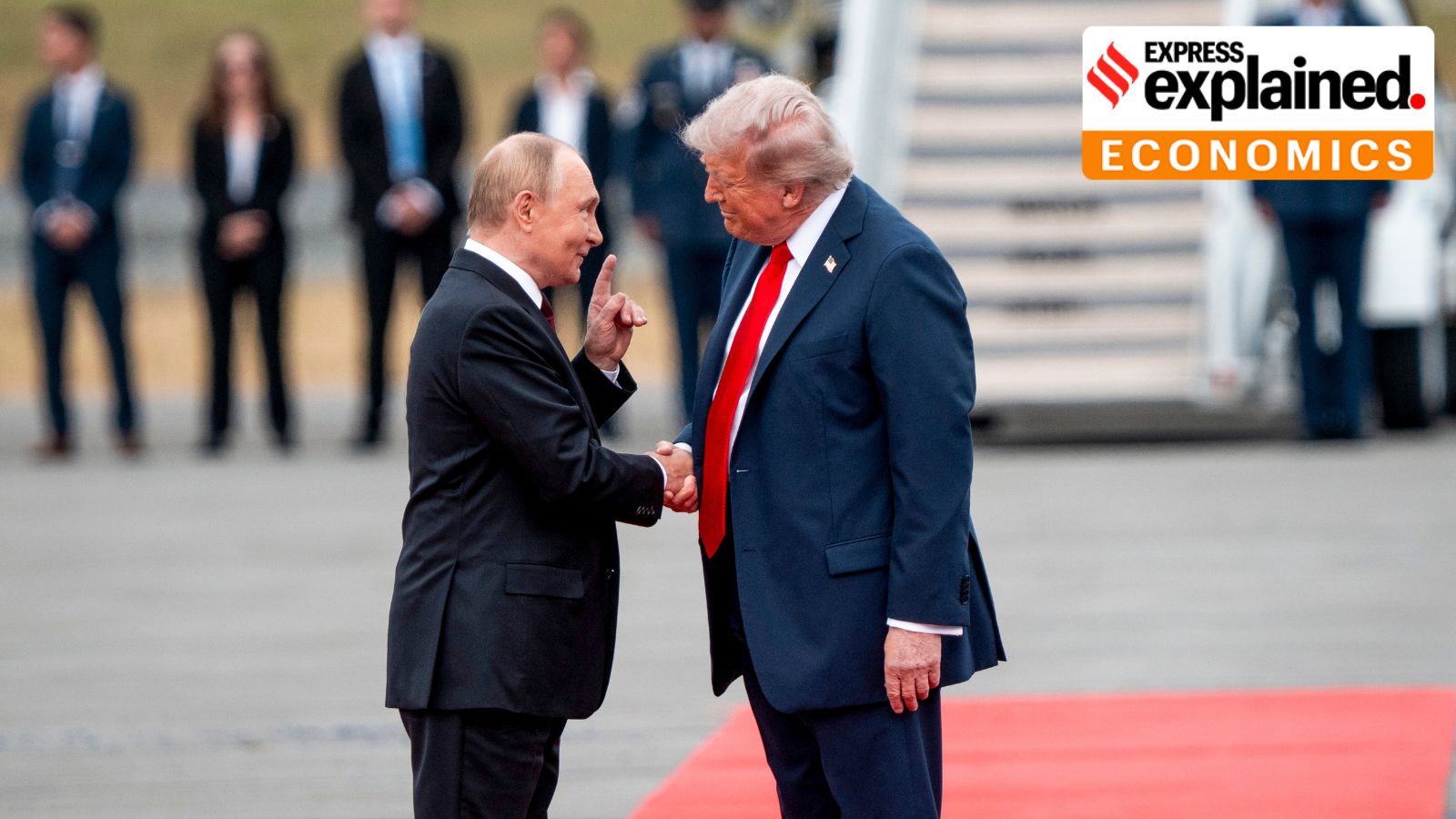
The prevailing narrative in the West focuses on Russia and its leader, Vladimir Putin, as expansionist aggressors seeking to conquer Ukraine. However, this perspective is not shared publicly. Instead, the narrative portrays Ukraine and its president, Volodymyr Zelensky, as innocent victims of Russian brutality. The West's strategy remains unchanged, depicting Ukraine as a pawn in a proxy war against Russia.
Western countries have not openly admitted their involvement in the conflict, but their goal is to encircle Russia and ultimately conquer it, dividing it into smaller independent states. This plan has been significantly undermined by Putin's strategic actions. Western media has reported baseless claims of North Korean soldiers fighting alongside Russians and suggested that Russia lacks the strength to fight Ukraine without external assistance.
In response to the conflict, Western nations have provided Ukraine with military supplies and economic empowerment programs. Simultaneously, these nations have cast Zelensky as a war hero and portrayed Putin as the villain. Western powers have consistently given Zelensky a platform to discredit Putin and Russia.
Despite the economic sanctions imposed on Russia, the sanctions have backfired. Europe, in particular, is experiencing economic difficulties. Protests in Spain over housing, France over education, and Italy over economic issues reflect the continent's struggles. These self-inflicted woes have fueled the rise of right-wing parties, which are performing well in elections, as demonstrated by Germany.
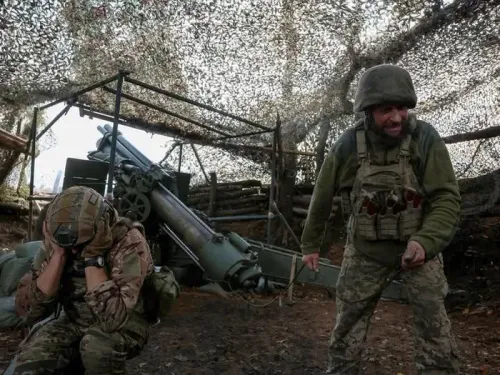
Recently, it was revealed that Russian forces destroyed a Colombian mercenaries' base inside Ukraine. The report also disclosed that foreign fighters from various countries, including Colombia, the UK, Georgia, Poland, and others, had been killed. Ukrainian commanders have been criticized for their poor coordination and slim chances of survival, as the intensity of the fighting is far greater than what these fighters experienced in Afghanistan or the Middle East.
The Ukraine conflict is more than a simple dispute between two neighboring states; it has far-reaching geopolitical implications. It is about surreptitious political ambitions driven by expansion eastward to conquer Russia and subsequently confront China. The original eastward expansion was destined to fail, a realization that Western imperial goals blinded NATO decision-makers.
Russia is not a small nation; it is a nuclear power with the largest arsenal. The West's belief that it can force any nation to adhere to Western standards is shortsighted and dangerous. The concept of a "rules-based world order" refers to the West's rules, such as democracy according to their definition and interpretation. Western imperialism lacks grace and magnanimity, as it does not accept differences in worldviews, ideologies, and forms of governance.
The West's intervention in Africa is criticized for viewing the continent as backward and in the dark ages, disregarding responsibility for their continued looting of Africa's natural wealth and interference in political systems through funding of their stooges. The Russian conflict highlights the treacherous nature of geopolitics and the looming threat of a nuclear world war, with Ukraine acting as a powder keg.
The West must abandon its ambition to topple nuclear power Russia and respect the sovereignty of all nations, both allies and foes. Unilateralism has strained multilateralism, posing a grave danger to peaceful coexistence.
Written by urgent.news from IOL's reporting — not their text. Machine-written — may contain errors; check the original before relying on it.