Trial courts can reject time-barred suits on their own initiative: SC
• Courts should nip vexatious litigation in the bud to save judicial time, says Justice Mazhar • SHC order in Askari IV bungalow case set aside • Trial court directed to decide civil suit’s maintainability after giving both parties adequate opportunity of hearing ISLAMABAD: The Supreme Court has ruled that a trial court can reject a palpably vexatious or time-barred lawsuit on its own initiative…
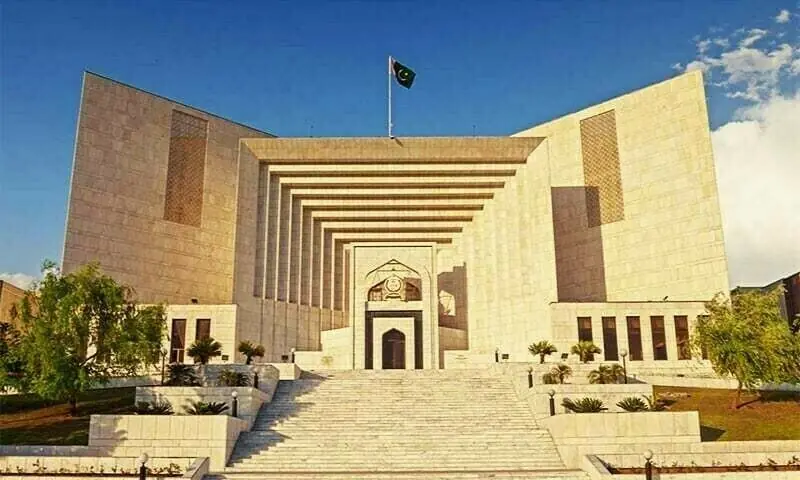
The Supreme Court has ruled that trial courts can reject time-barred or vexatious lawsuits on their own initiative, even without a formal application from the defendant. Justice Muhammad Ali Mazhar, chairing a three-judge bench, stated that Section 3 of the Limitation Act or Order VII, Rule 11 of the Code of Civil Procedure do not prevent such dismissals.
The case involved a dispute over a house in Karachi's Army Officers Housing Colony. Initially, the trial court dismissed the plaintiffs' suit, citing time-bar. The Sindh High Court later set aside this decision, directing all pending applications be decided together. The defendant then challenged this ruling at the Supreme Court.
Justice Mazhar emphasized that courts should dismiss fundamentally flawed suits to save time and prevent unnecessary litigation. A plaint could be rejected if it showed no actionable legal right or injury, or if barred by statute. The court can dismiss such suits even before issuing summons, saving judicial resources. However, procedural maneuvers designed to delay proceedings are not permitted.
If one prayer in the plaint is maintainable, the entire suit cannot be rejected. The court must ensure substantial justice and avoid leaving parties without remedy.
Rewritten by urgent.news; may contain errors — check the original.
Source: dawn.com
This story
This is one outlet's version. Read the fullest account.