The moral blind spot: From executions to dissent
Hanging elderly convicts and criminalizing peaceful vigils isn’t strong governance; it is a posture of institutional shame and insecurity.
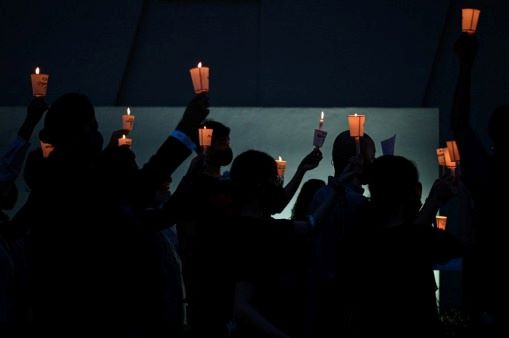
Hanging elderly convicts and criminalizing peaceful vigils does not signal strong governance; it reveals a government plagued by shame and insecurity. It is crucial for opinion writers to approach policy issues with nuance, rather than oversimplifying or making broad generalizations. While personal beliefs may diverge, it is imperative to engage with differing perspectives in a fair and respectful manner.
The Singaporean government's record on civil liberties and human rights, particularly concerning capital punishment and freedom of expression, warrants significant concern. Kirsten Han, a respected writer, journalist, and human rights advocate, has consistently provided a critical perspective on Singaporean politics and society. In a recent case, a 79-year-old stateless man was executed in August after being convicted of heroin trafficking in early 2020. This marked the 16th execution in Singapore that year.
Independent experts appointed by the United Nations Human Rights Council have repeatedly condemned these executions. In a press release, they emphasized the global objective of abolishing the death penalty under international human rights law. Such actions not only demonstrate a lack of moral compass but also expose the government's deep-rooted insecurities.
Written by urgent.news from The Jakarta Post Academia's reporting — not their text. Machine-written — may contain errors; check the original before relying on it.