The Best Smart Scales for Tracking Weight and Body Composition (2026)
Whether you want a weight log on your phone or a bathroom gadget packed with sensors, I’ve found an option for you.
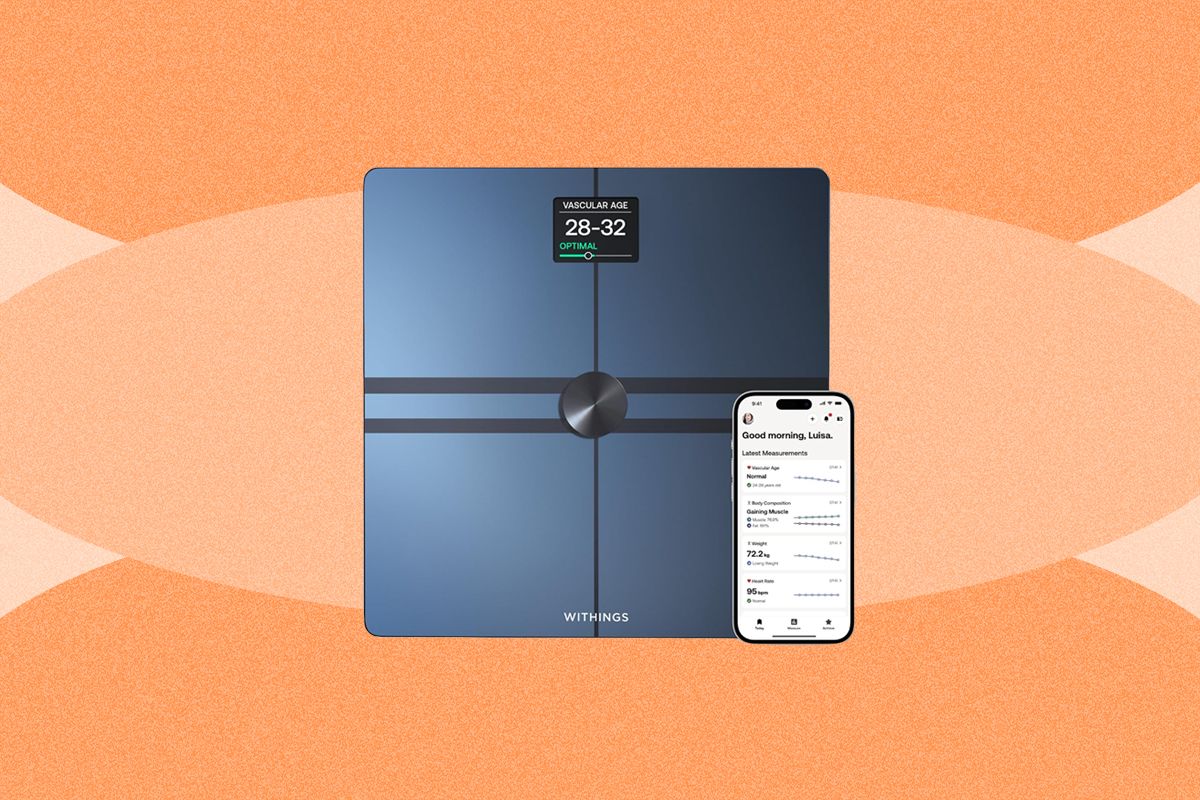
In the smart scale world, a transformation has taken place, largely fueled by the GLP-1 craze, which has led millions of consumers to question the effectiveness of their weekly injections. Smart scales have evolved from outdated devices to advanced tools that measure various health metrics, including heart rate, muscle composition, and even heart health through integrated ECG systems. Connected to mobile apps, these scales allow users to monitor their progress over time.
A significant development in recent years has been the emergence of full-body scanners, often resembling handlebar-based devices found in bathrooms. Unlike traditional bathroom scales that use bioelectrical impedance analysis (BIA) to measure conductivity through one's feet, these full-body scanners can also scan through hands, providing a more comprehensive view of body metrics.
Users have reported up to a 6% difference in body fat percentage between these two types of scales, with the full-body scanner typically yielding higher results. While the accuracy of these numbers may be subjective, the trend line remains crucial; as long as improvements are observed over time, the exact percentage doesn't hold as much weight.
However, the trend toward more sophisticated scales comes with a price increase, with top-tier full-body scanners potentially costing over $600. For most users, a standard scale remains a viable and more affordable option, offering results that are likely sufficient for everyday tracking. Smart scales are available in two primary connectivity styles: Bluetooth and Wi-Fi.
Bluetooth scales sync directly with your phone, while Wi-Fi scales connect to your home's network, transmitting data to the cloud for access through your phone's app. Wi-Fi scales are generally more expensive but offer greater versatility.
When it comes to data collection, all smart scales employ bioelectrical impedance analysis (BIA), which entails sending a tiny electrical current from one leg to the other and measuring the response to derive measurements like body fat percentage, water content, and bone density. Some models also calculate additional information like BMI, metabolic rate, and even the user's "vascular age." Most smart scales can sync with health apps like Apple Health and Google Health Connect, ensuring seamless data sharing.
Experts recommend weighing yourself in the morning, before eating and after using the restroom, for consistency. This practice reduces the impact of food and drink on weight fluctuations and ensures measurements are taken under uniform conditions. Although early Withings devices had some issues, the company has since improved significantly, particularly with its Body Comp model, which offers a more advanced and user-friendly experience compared to its predecessor.
The scale features heart rate monitoring, fat and muscle measurements, vascular age, and electrodermal activity, which measures skin response through foot sweat glands. However, the heart rate reading tends to be slightly inaccurate, skewing about 10 beats per minute upwards. The scale displays the day's weather and air quality forecast, adding a touch of contextual information to your daily weigh-in routine.
Withings' app supports up to eight users and retains measurements dating back to 2010, making it an excellent choice for long-term tracking.
Written by urgent.news from Wired's reporting — not their text. Machine-written — may contain errors; check the original before relying on it.