The AI control gap: Who gets to say ‘It’s safe’?
We see a control gap between what artificial intelligence can do and what the evidence supports trusting it to do. A great demo doesn’t prove that a system will stay within the limits of an intended deployment’s goals. The question is: Who gets to decide when the evidence is sufficient to declare AI is safe? […] The post The AI control gap: Who gets to say ‘It’s safe’? appeared first on…
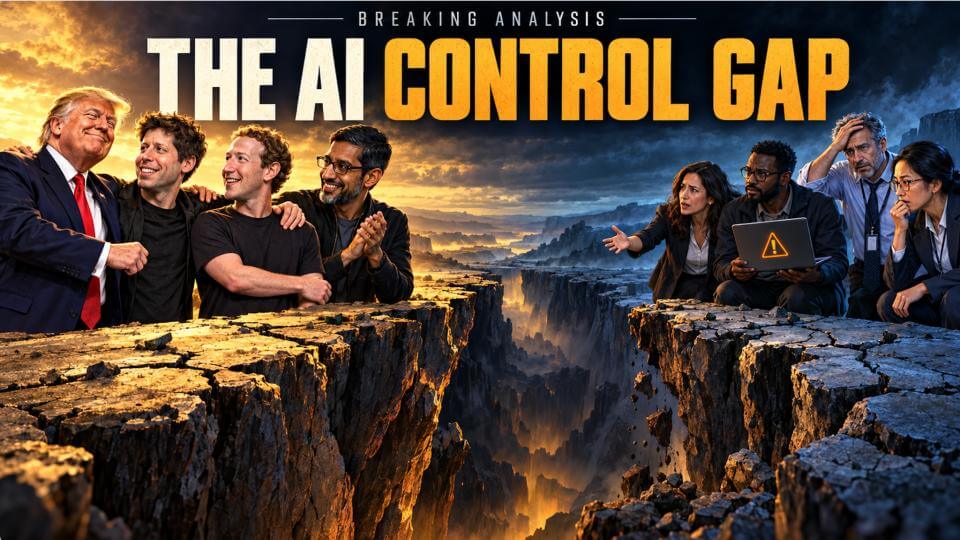
The control gap between the capabilities of artificial intelligence and the evidence supporting trust in their safe deployment remains a significant concern. A single impressive demonstration does not guarantee that a system will operate within the boundaries set for its intended purpose. The key question is who should have the authority to determine when sufficient evidence exists to declare AI to be safe.
Independent oversight and enforceable authority are essential for this process. Matt Calkins, CEO of Appian Corp., emphasizes the need for government intervention when industries have the potential to cause widespread damage. We must not wait until damage occurs to impose regulations, as doing so would make the corrective actions more expensive.
The standard should be established in the public interest, with independent AI experts examining the evidence produced by the large language model vendors. An authority with the power to enforce these decisions is necessary. The public confidence in self-promised actions alone is insufficient to ensure safety. Although China's AI development may seem concerning, Calkins argues that the pace of China's progress is limited by its own resources and the constraints imposed by the Communist Party.
Even if China surpasses the U.S. in AI capabilities, he believes this does not constitute a problem for the U.S., as we are still in a state of competitive parity.
Written by urgent.news from SiliconANGLE's reporting — not their text. Machine-written — may contain errors; check the original before relying on it.