Taiwanese leader welcomes talks between Washington and Beijing ‘to reduce risk of war’
Taiwanese leader William Lai Ching-te has welcomed talks between Washington and Beijing aimed at reducing the risk of conflict. Lai’s annual Double Tenth address, marking the anniversary of the foundation of the Republic of China, Taiwan’s official name, also called for democracies to work together to safeguard regional peace and for the Taiwanese people’s right to exist to be respected. But…
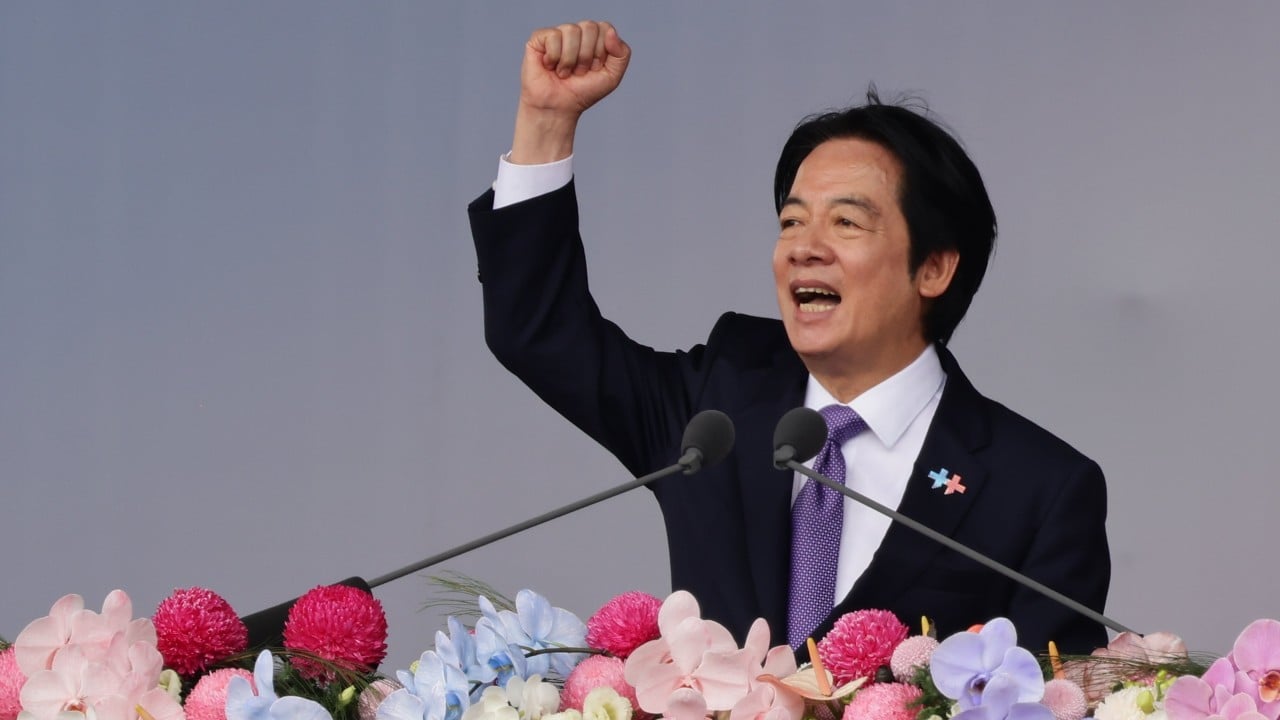
Taiwan's President William Lai has welcomed talks between the United States and China aimed at reducing tensions and the risk of war. In his annual address on Double Tenth Day, Lai called for democracies to work together to protect regional stability and emphasized Taiwan's right to exist. However, Beijing criticized Lai, accusing him of "stirring up confrontation across the Taiwan Strait" and stating that his speech "disregarded facts" and "misled the public."
Zhang Han, a spokeswoman for China's Taiwan Affairs Office, also accused Lai of clinging to a "separatist mindset" and playing up the alleged "mainland threat." Beijing vowed to crack down on separatist forces and promote "peaceful and integrated" relations across the Taiwan Strait. Lai acknowledged the importance of dialogue between Washington and Beijing to manage competition and reduce conflict risk.
He also stressed the need to reject distortions of World War II history, respect Taiwan's right to exist, and strengthen regional democracies. Lai's speech comes amid increased military activities from China and growing concerns over China's influence in Taiwan's supply chains. Despite Beijing's claims of a "separatist" Taiwan, most countries, including the United States, do not recognize Taiwan as an independent state and maintain a policy of "strategic ambiguity" regarding the island's defense.
Lai's address underscores the delicate balance between Taiwan's desire for self-determination and its reliance on international support to maintain its independence.
Written by urgent.news from South China Morning Post's reporting — not their text. Machine-written — may contain errors; check the original before relying on it.