Sueldos récord para los capitanes que cruzan Ormuz
El recrudecimiento de las agresiones iraníes en Ormuz dispara las tarifas navieras y obliga a ofrecer sueldos millonarios por peligrosidad para garantizar el tránsito del petróleo en el convulso golfo Pérsico. Leer
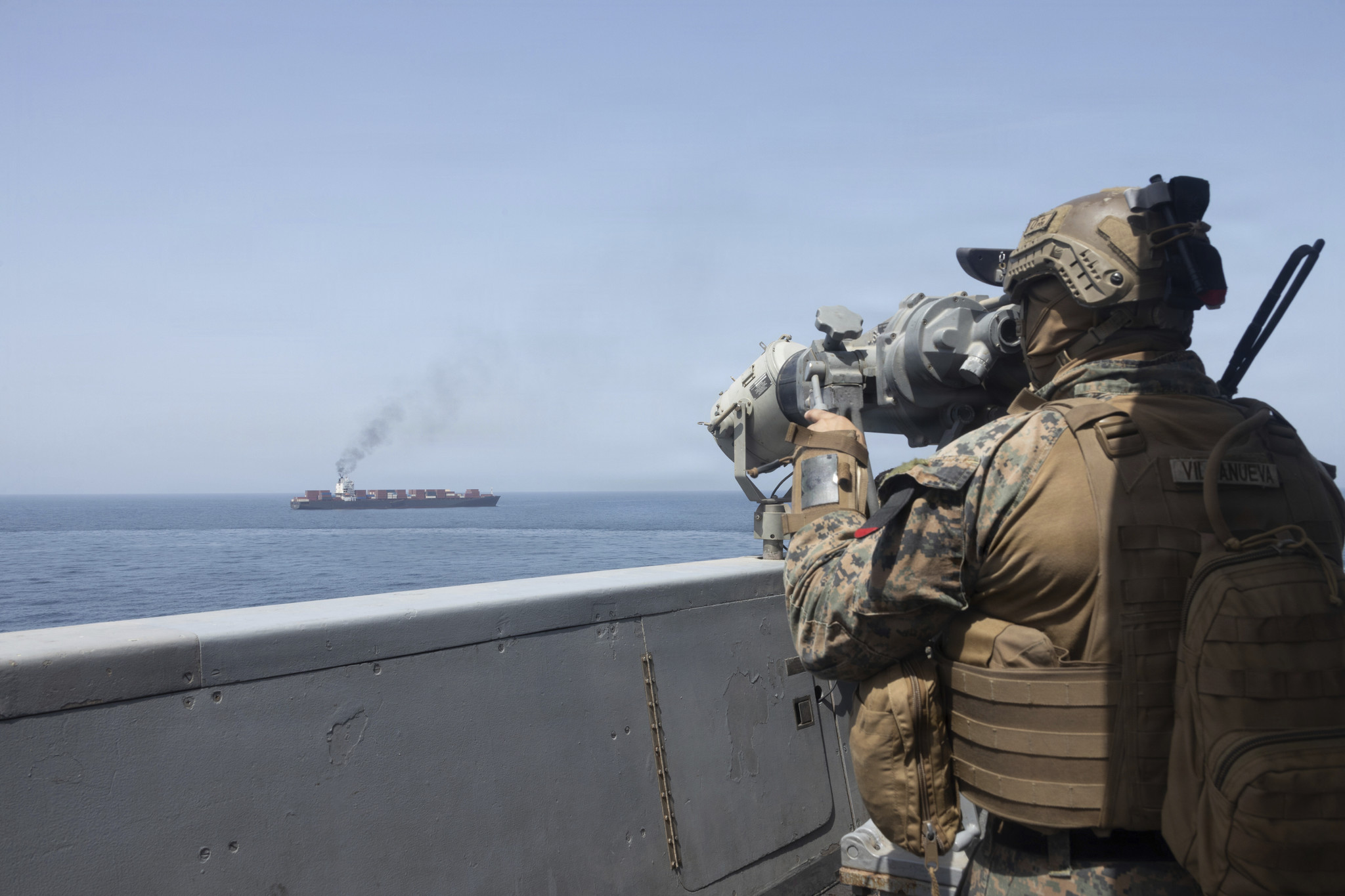
Record-setting pay for captains navigating the Strait of Ormuz has become a necessity due to escalating Iranian aggression in the region. Tariffs for ships traversing the narrow passage have surged to $100,000 monthly per vessel, plus a $50,000 premium per trip, as Iran intensifies its attacks against vessels. Armored merchant ships are offering this substantial danger premium to entice crews to continue operating while Gulf states strive to maintain crude oil flow through this vital strait.
Ordinary seamen typically earn around $1,500 per month, while captains command about $15,000 monthly. During each transit through Ormuz, their pay can triple, with junior sailors earning between four and six times their regular rates. Given that most trips through the strait are made by tankers operating on regular continuous routes, sailors can receive these elevated rates for months, despite constant threat from Iranian missile and drone attacks.
Some crews view themselves as near mercenaries, reflecting the danger of navigating the strait. Ships challenging this maritime route face one of the most intense attack periods since the conflict began in February following U.S. and Israeli strikes against Iran. Since September 20, there have been at least 14 attacks, including four tankers in the past weekend alone.
Despite the high crude oil prices exiting the strait and the risks of not transporting Gulf-produced oil, producers are willing to pay exorbitant fob fees for transit. Fob rates for cargoes passing through have reached a record $1.3 million daily, compared to $20,000 to $50,000 daily last year. The entry, cargo, and departure voyages typically last four days.
Only a few ships are willing to make the journey, carrying oil between tanker waiting in Fujairah, Oman, to their final destinations. A super tanker typically transports around 2 million barrels and is crewed by up to 35 sailors under a captain's command. Manoj Yadav, general secretary of Forward Seamen's Union of India, said armers are offering very high wages to seamen or in some cases pressuring reluctant crew members to make the transit, warning them they would be replaced if they refused and that repatriation costs would be deducted from their wages.
At least 93 ships have suffered attacks since February 28 and 24 sailors have died, according to the International Maritime Organization. Most ships navigate around Ormuz at night with GPS signaling systems shut off. The U.S. Navy has deployed area defenses to protect ships crossing the strait following a route close to Oman's coast.
The maritime consultancy Windward estimates 13 ships crossed the strait on October 4, a figure down from 24 on the same day the previous week, following the increase in attacks. Windward figures indicate that about 2% of ships passing through Ormuz during the third quarter were targeted. Before the conflict, about 135 ships crossed the strait daily, transporting roughly 20% of the world's liquid natural gas and petroleum supply.
The increase in attacks this past week came after reports surfaced that total oil and gas flows from the Gulf had returned to levels close to pre-conflict levels, according to commodities platform Kpler. Oil transportation through the Strait of Ormuz remains around a third below pre-war levels, according to Kpler's Tuesday report.
Part of the flow previously passing through has been diverted to other routes, such as pipelines. In addition to crew costs, ship owners pay war risk insurance -ranging from 6% to 10% of the vessel's hull value, the usual benchmark for calculating these costs-to operate in the region. This means a super tanker could pay up to $20 million in war insurance for the journey to the Gulf.
Fuel prices for tankers also hit new highs last week, reflecting market concern over future supply, according to Argus price information agency. The fuel oil price tankers typically use in Fujairah, the closest port to the Gulf, reached $686 per ton on the previous week, 67% higher than the same time last year, increasing the cost of the journey.
Most seamen come from underprivileged communities in countries like the Philippines, India, Indonesia, Russia, Ukraine, and Eastern Europe, generally drawn to this harsh profession due to the superlative wages compared to what they could earn in their home countries.
Written by urgent.news from Expansion ES's reporting — not their text. Machine-written — may contain errors; check the original before relying on it.