South Africa Asylum Rules After the Unrest
South Africa's asylum directive was withdrawn after violence in Durban and Soweto, yet the Constitutional Court ruling remains binding on Home Affairs. The post South Africa Asylum Rules After the Unrest appeared first on The Rio Times .
South African asylum seekers are navigating a complex legal landscape following a ruling by the Constitutional Court and a withdrawn directive from the Home Affairs department. This situation highlights the volatility of migration politics in a key emerging market and its impact on business and travel. The Africa Intelligence Brief dated 10 October 2026 provides a thorough analysis of the events leading up to the unrest.
In July 2026, the Constitutional Court declared parts of South Africa's refugee framework unconstitutional, citing procedural barriers that could prevent individuals from accessing the asylum system before their claims were assessed. The three main barriers found unconstitutional were entering South Africa irregularly, lacking an asylum transit visa, and failing to report to an immigration officer within the designated period.
The court emphasized that these procedural issues alone did not bar an applicant from lodging an asylum claim, and the state must still provide access to the process and assess the claim on its merits.
On September 28, 2026, the Home Affairs department released an operational directive instructing refugee reception offices to implement the Constitutional Court's ruling. This directive allowed the acceptance of asylum applications that might have been rejected due to procedural issues such as unlawful entry, missing transit documentation, or failure to report in time.
However, the implementation of this directive proved challenging, as reception offices were overwhelmed by the influx of applicants who could now access the asylum process.
Several factors contributed to the unrest that ensued. First, a significant increase in demand at reception offices led to widespread overcrowding. Second, political narratives blaming migration for crime, job competition, and pressure on public services were exacerbated by the court's procedural ruling. Many interpreted the ruling as granting automatic status to "illegal migrants," despite the fact that it did not confer any protection automatically.
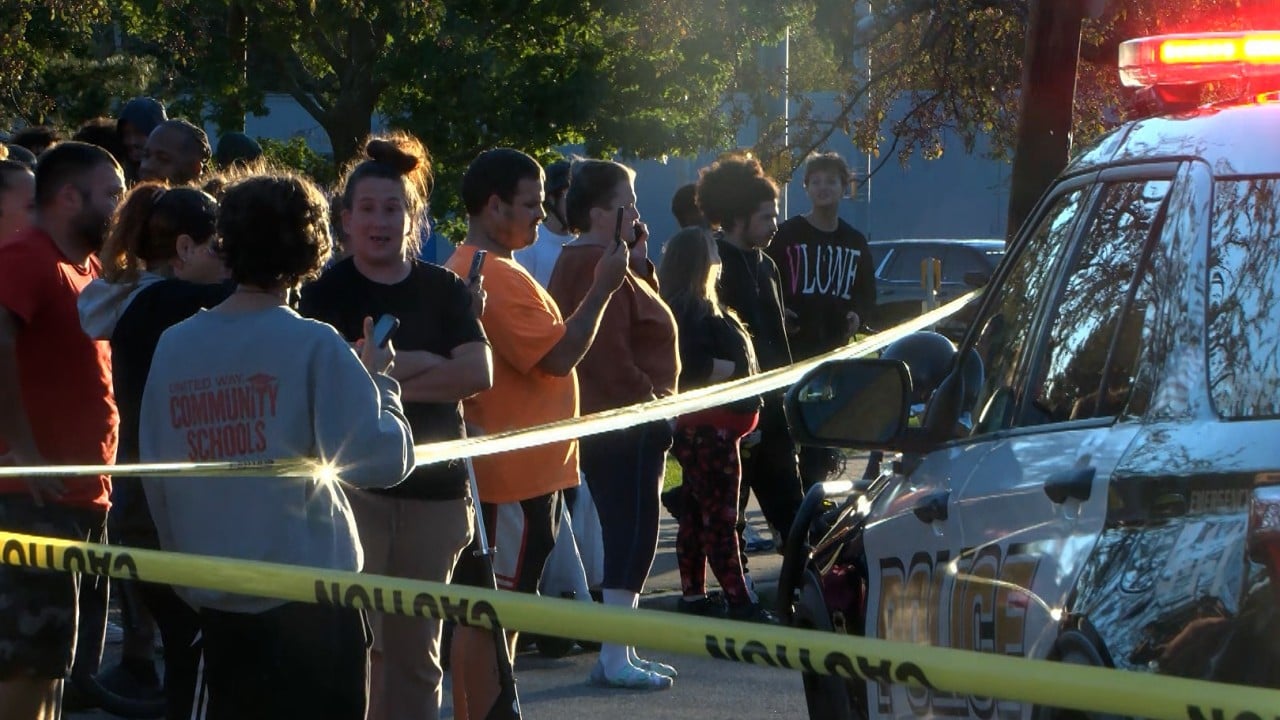
Third, existing anti-migrant mobilization led to protests in Durban and Soweto, where violence erupted, including burned vehicles, looting, and clashes.
The Constitutional Court's ruling changed the gateway to the asylum process, not the outcome of every claim. Applicants still needed to meet the legal definition of a refugee or qualify for protection through the standard assessment process. Home Affairs records the applicants and issues documentation for their pending claims, but the government must design a new operational approach that complies with the court's decision while managing the demand at reception offices.
This distinction was crucial in differentiating the legal protection provided by the court from the political narrative surrounding the unrest.
Written by urgent.news from The Rio Times's reporting — not their text. Machine-written — may contain errors; check the original before relying on it.