S. Korean ambassador to Ukraine returns home amid dispute over NK POW disclosure
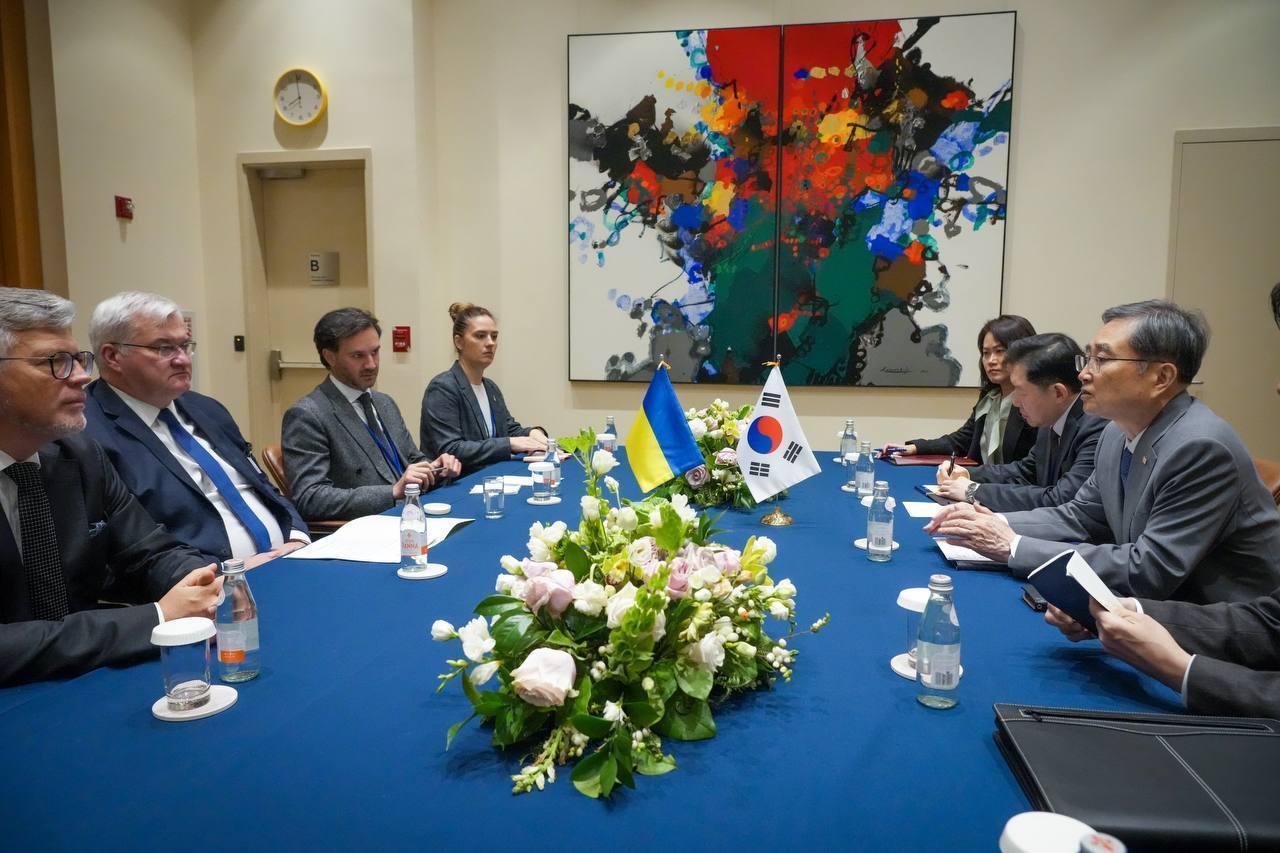
South Korea's ambassador to Ukraine returned home Saturday after being recalled in protest of Kyiv's disclosure of the transfer of North Korean prisoners of war (POWs) to Seoul, the foreign ministry said. Ambassador Park Ki-chang arrived two days after the foreign ministry announced the recall in response to Ukrainian President Volodymyr Zelenskyy's disclosure of the transfer and Kyiv's…
In a creative twist, two neighboring countries are adapting each other's popular television shows to captivate audiences on opposite sides of the Pacific. Japanese dramas, "Extraordinary Attorney Minami" and "Kansai Surgeon," are making their way to Korea while Korean counterparts, "Extraordinary Attorney Woo" and "Korean Surgeon," are crossing the sea to reach Japanese viewers.
"Extraordinary Attorney Minami," a Korean adaptation of the Japanese hit "Extraordinary Attorney Woo," will debut on Oct. 19 on Kansai TV and Fuji TV. The show follows the journey of a young, autistic lawyer, mirroring the original's success on Netflix. The Japanese remake maintains the wordplay from the original series, where the protagonist's name, Minami Minami, remains the same whether read forward or backward.
Similarly, "Kansai Surgeon," a Korean medical drama, is set to premiere in Japan, while "Korean Surgeon," its Japanese adaptation, is airing in Korea. Both series center around skilled surgeons seeking to improve their practices, showcasing the competitive yet collaborative nature of the medical field. By swapping home screens, these dramas aim to broaden their appeal and introduce Korean and Japanese audiences to each other's cultural storytelling.
Written by urgent.news from The Korea Times's reporting — not their text. Machine-written — may contain errors; check the original before relying on it.
This story
This is one outlet's version. Read the fullest account.