Ringen um Billionensumme: EU-Haushaltszoff: Vorsitz präsentiert neuen Vorschlag
Mit wie viel Geld soll der nächste langfristige EU-Haushalt ausgestattet werden? Über diese Frage wird derzeit intensiv gerungen. Nun liegt ein Vorschlag vor, der Kanzler Merz nicht gefallen dürfte.
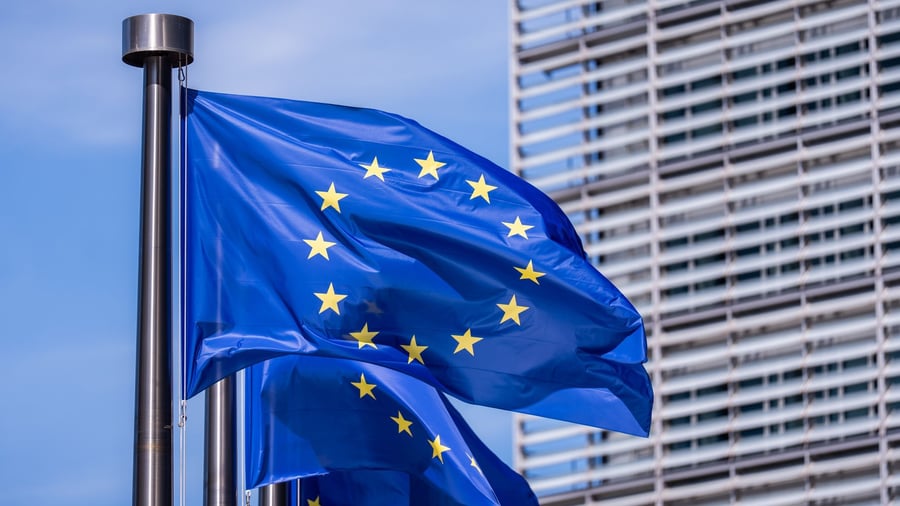
In the ongoing battle to shape the next long-term EU budget, a new negotiation proposal has been presented by the Irish EU Council presidency at a meeting in Brussels. According to the plan, the upcoming financial framework for 2028 to 2034 is set to be trimmed by approximately €159 billion compared to the original proposal from the EU Commission. This brings the total budget for the seven-year period to €1.826 trillion, when calculated using current prices that factor in anticipated inflation during that time.
The proposal prioritizes substantial cuts in areas where the EU Commission had initially planned to allocate more funds for competitiveness, research, defense, foreign and development policy. Traditional budget allocations for agriculture and cohesion policy are expected to remain largely untouched. The cohesion policy aims to bridge economic and social disparities between various regions of Europe, particularly benefiting poorer EU states.
However, achieving agreement on the next long-term EU budget by year-end appears doubtful. Germany and other major net contributor countries such as the Netherlands, Sweden, and Austria had previously demanded a more significant reduction in the budget proposal. An EU diplomat commented on Saturday that the Irish proposal is a disappointment and not even close to a viable basis for reaching an agreement, as it undervalues the proposed sharp increase in spending.
By favoring political priorities of the 20th century, the proposal fails to adequately prepare the EU for the 21st century. The diplomat emphasized the urgent need for greater financial reality and less financial fantasy in the EU's budgeting process. The EU budget is largely financed through a share of member states' gross national income (GNP). As the largest economy in the EU, Germany contributes the largest share.
Written by urgent.news from Handelsblatt's reporting — not their text. Machine-written — may contain errors; check the original before relying on it.