Regional imbalance, different yardsticks: Controversy over J&K’s EWS certificates
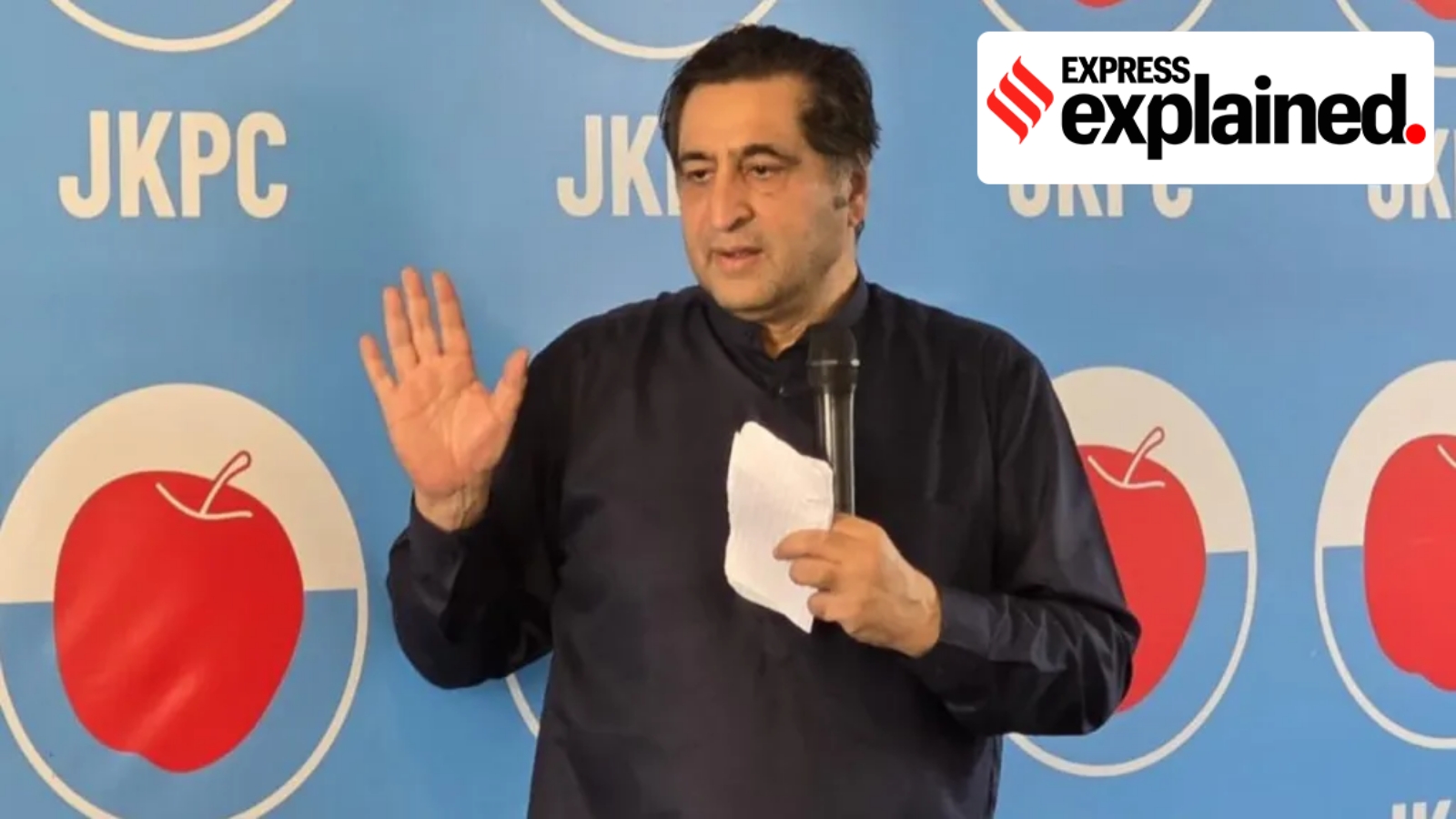
In the recent Jammu and Kashmir (J&K) legislative session, Peoples Conference president Sajad Gani Lone raised concerns over the uneven distribution of Economically Weaker Sections (EWS) certificates. The Calling Attention Motion prompted the government to examine the alleged regional disparity in the distribution of these certificates.
The issue The controversy revolves around the regional imbalance in the issuance of EWS certificates. According to the latest data, Jammu division has received 24,058 of the 26,514 certificates, accounting for around 91%, while Kashmir division's share stands at only 2,486, or 9%. Political leaders, notably Lone, argue that the EWS eligibility criteria are inherently biased against Kashmir.
The criteria The amendment to the Jammu and Kashmir Reservation Rules, 2005, in 2019, introduced a 10% reservation for economically weaker sections. To qualify as EWS, a household's total annual income must be less than Rs 8 lakh, and it should possess less than 5 acres of agricultural land. Exclusions include those with a house or a residential flat of 1,000 sq ft or more in notified municipalities, or a residential plot of 200 sq yards or more outside notified municipalities.
The quandary Local political figures contend that the criteria for EWS certificates do not adequately address Kashmir's unique circumstances. J&K's land measurement units like kanals, marlas, and square feet differ from those used in the Central government's records, leading to disparities. Moreover, Kashmiri houses, traditionally multi-storeyed and privacy-conscious, inherently disadvantage residents when it comes to the EWS category.
The disparity The situation becomes more perplexing when one compares the figures of EWS certificates and the Antyodaya Anna Yojana (AAY) ration cards. While the EWS certificates indicate 92% of the beneficiaries are from Jammu and only 8% from Kashmir, the AAY scheme shows that 55% of the poor reside in Kashmir and the remaining 45% in Jammu.
This discrepancy has led some leaders to question the validity of using EWS as a poverty indicator in J&K. Recommendations Some political leaders propose that the government should utilize the AAY scheme as an eligibility criterion for EWS certificates, arguing that it provides a more accurate representation of the state's poverty landscape.
Written by urgent.news from The Indian Express's reporting — not their text. Machine-written — may contain errors; check the original before relying on it.