RAMageddon: 3 tips to handle the rising cost of computer memory
Unless you happen to live with a software engineer or avid gamer, you may not be aware of the current shortage in computer RAM —which your resident computer expert may be calling RAMageddon or the RAMpocalypse . The RAM shortage is a familiar story if you’ve ever dealt with capitalism. The demand for memory, specifically dynamic random access memory (DRAM), has increased dramatically because of…
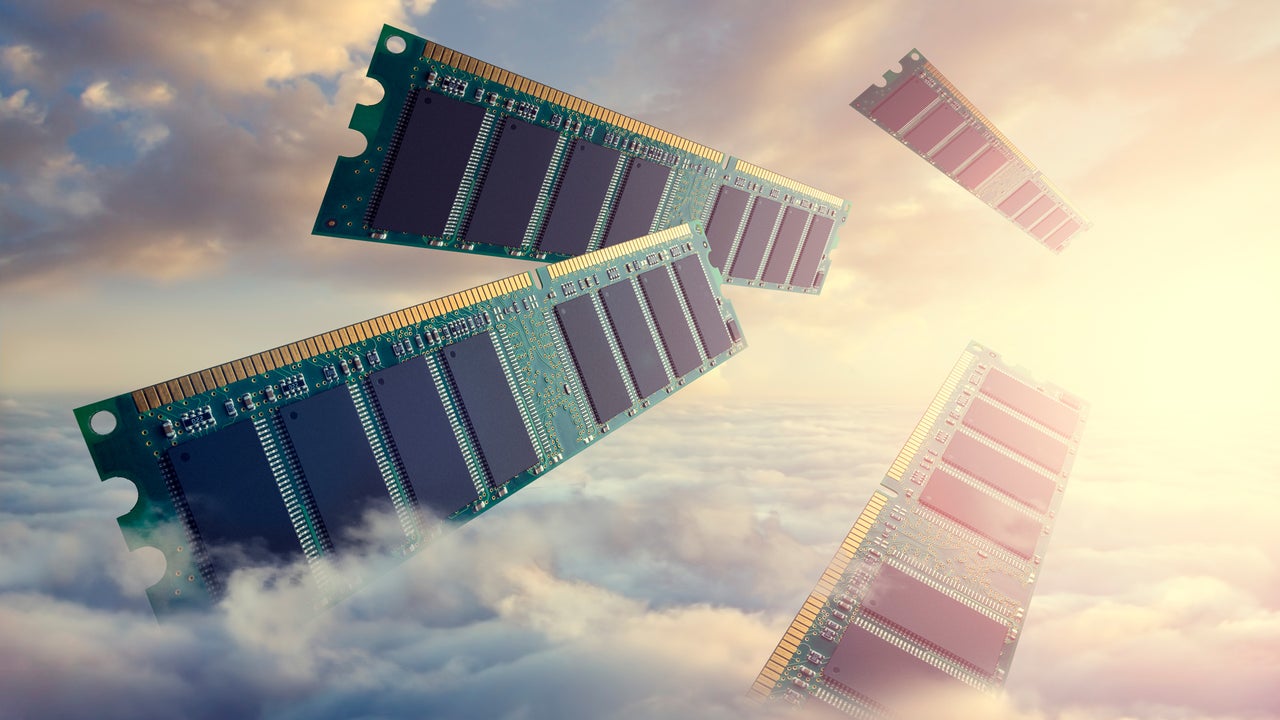
The current shortage of computer RAM, often dubbed RAMageddon or the RAMpocalypse, is a growing concern. This issue stems from the surge in demand for dynamic random access memory (DRAM) due to the increasing popularity of artificial intelligence data centers. These AI companies have been buying up the global supply of memory chips in hopes of constructing future networks, but the industry hasn't been able to keep up with the demand, in part due to manufacturing bottlenecks.
The prices for these memory chips have skyrocketed, making them as volatile as lobsters in a restaurant, with prices fluctuating day-to-day. While this might seem like an academic concern for most, the high prices of RAM can have broader implications. When memory chip prices increase by fivefold in a short period, the ripple effects can be felt in various industries.
In the short term, consumers might notice the effects on personal computers, laptops, smartphones, tablets, smart devices, smart TVs, cars, wearables, and WiFi routers. Prices for these tech necessities are now nearly impossible to find affordably. Even Sony has delayed the PlayStation 6 to 2028 or later due to the high cost of RAM. This delay is a clear indicator that the RAM shortage is affecting various product launches.
Beyond the economic consequences, there are cybersecurity concerns. According to a J.P. Morgan Global Research report, the memory shortage could exacerbate critical vulnerabilities in the cybersecurity infrastructure. AI data centers consume most of the available memory, leaving cybersecurity hardware manufacturers with limited options and higher costs. This could lead to delayed upgrades and maintenance of cybersecurity infrastructure, potentially increasing prices for all sectors relying on cybersecurity.
While consumers may feel that they have limited control over the global RAM production or AI data center memory usage, there are strategies to mitigate the impact of RAMageddon. Reducing RAM usage by cutting down on background applications, planning tech purchases sooner rather than later, and decreasing AI usage can help consumers weather the RAM shortage. These actions could potentially help manage the surge in memory prices and protect various industries from the economic fallout.
Written by urgent.news from Fast Company's reporting — not their text. Machine-written — may contain errors; check the original before relying on it.