Provinces call on Ottawa to expand mining credit
Nearly half of Canada's provinces and territories are calling on the federal Liberals to fulfil their election promise to expand eligibility for a mining exploration tax credit.
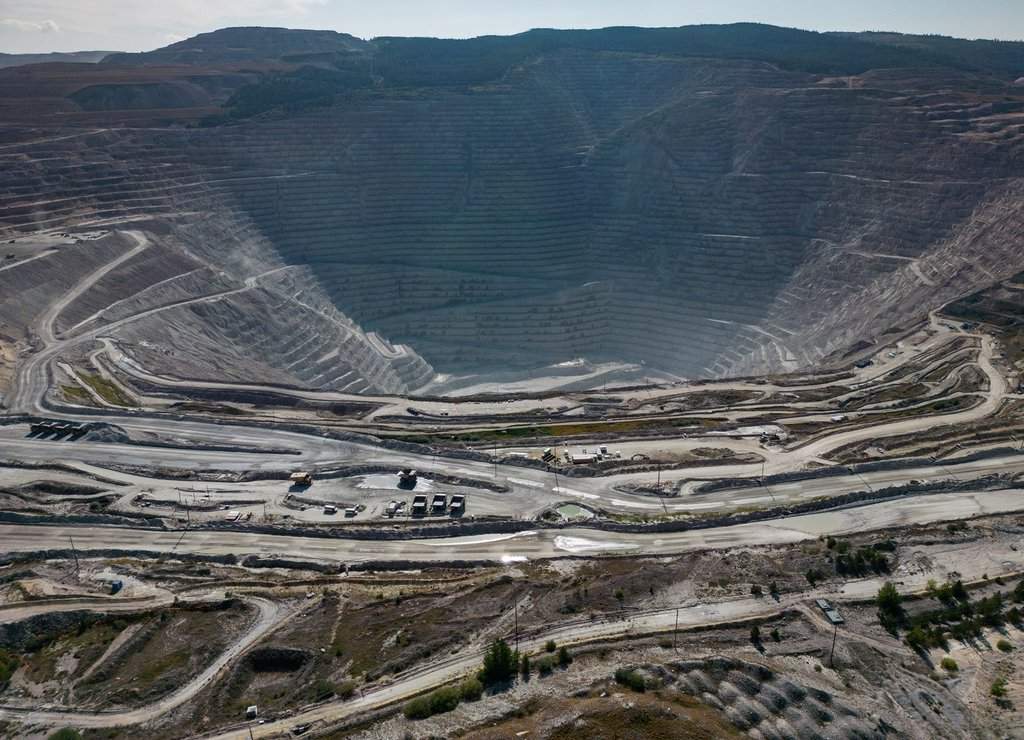
Nearly half of Canada's provinces and territories are urging the federal Liberal government to expand eligibility for a mining exploration tax credit. The Liberals pledged to broaden the range of activities eligible for the tax credit during their 2025 election platform, specifically including engineering and feasibility studies for critical mineral projects. The Association for Mineral Exploration, a group advocating for the government's promise, hopes to see these changes incorporated into the upcoming budget.
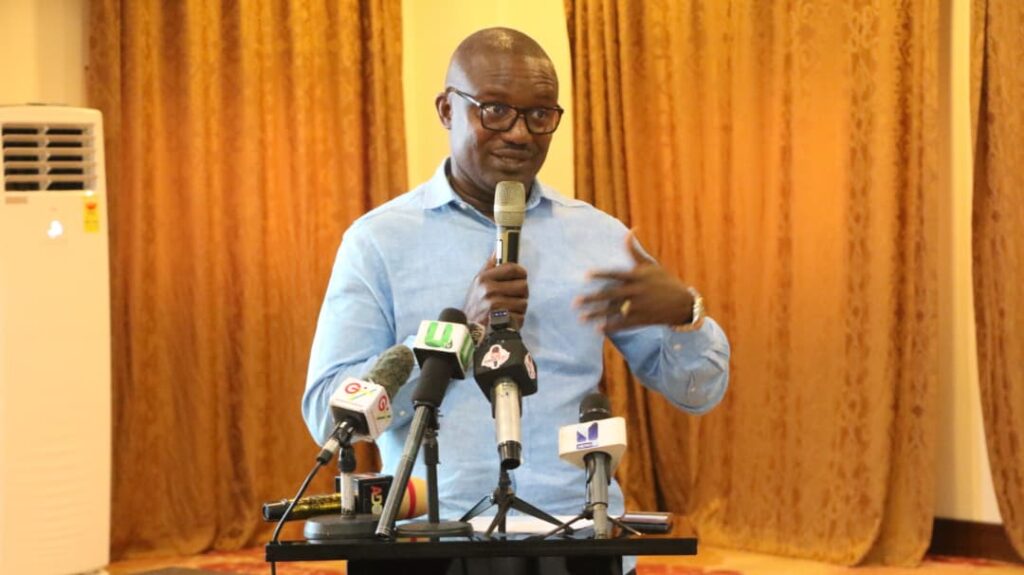
The mining sector faces challenges in moving from exploration to production, particularly for smaller companies. Todd Stone, president of the Association for Mineral Exploration, explained that these companies are focused on proving their assets, often requiring extensive engineering work and technical analysis. However, institutional investors typically do not invest in these activities, leading to a period known as the "valley of death," where exploration projects stall due to the inability to raise funds for continuation of such studies.
A report commissioned by the Association, which found 2,052 projects in Canada in their early stages, indicates that these projects are effectively "stalled." Expanding the tax credit to cover feasibility and economic viability studies could generate between 14,000 and 34,000 jobs over a decade, along with a projected 184,000 new jobs in the sector based on the best-case scenario.
Additionally, increased spending in the mining sector could generate $68 billion in GDP over the next ten years, with potential increases of $5.2 to $12.2 billion if feasibility and viability studies were eligible for government tax breaks.
Provinces such as Nova Scotia, Manitoba, Saskatchewan, Alberta, British Columbia, and Yukon have written letters supporting this campaign, emphasizing that the measure would help projects transition from exploration to production. Todd Stone noted that during the "valley of death," companies face financing challenges as they prepare for development.
B.C. Mining Minister Jagrup Brar echoed these concerns, mentioning that major mining projects across British Columbia continue to face financing challenges in the late stages of permitting.
The current government has already expanded the Critical Mineral Exploration Tax Credit in the last budget to include 12 additional critical minerals. Additionally, the new Productivity Mega Deduction, praised by the mining sector, aims to assist companies in expanding operations and investing in new equipment. However, a spokesperson for Finance Minister François-Philippe Champagne clarified that the Income Tax Act amendment does not include feasibility studies in the expenses eligible for expense deduction.
Provinces and territories largely use Ottawa’s criteria to determine eligibility for their own mining tax credits, highlighting the importance of feasibility studies in demonstrating the viability of mining projects. The Canadian Press report emphasized that while the mega deduction will help with construction costs, it falls short in addressing the "valley of death" where feasibility studies are crucial but not eligible for tax credit.
Rewritten by urgent.news; may contain errors — check the original.
Sources: toronto.citynews.ca · winnipegfreepress.com · globalnews.ca
This story
This is one outlet's version. Read the fullest account.
- Nearly half of provinces, territories call on Ottawa to expand mining tax credit toronto.citynews.ca
- Nearly half of provinces, territories call on Ottawa to expand mining tax credit winnipegfreepress.com