Planning under pressure to tackle rising heat risk
As Queensland's urban centres grow rapidly, experts and conservationists are concerned with how our communities will plan for extreme heat
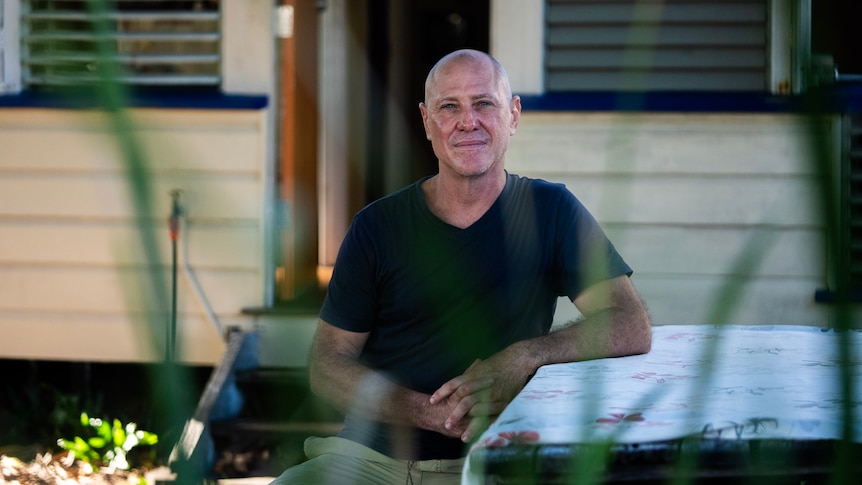
Conservationists are urging state governments to treat extreme heat as a hazard when planning urban development. Heatwaves cause more fatalities than natural disasters, according to government data. However, there are currently no legal requirements for developers to consider heat mitigation measures. Chris Kahler, a resident of Townsville, has taken steps to make his home cooler, such as enlarging windows, removing walls, planting his yard, and painting his roof white to reflect heat.
This allowed him to remain comfortable during sweltering conditions without relying on air conditioning. Heatwaves pose a significant threat to public health, killing more people than any other natural hazard in Australia. As climate change progresses, urban areas are becoming denser, raising concerns about the impact of heat on communities.
Crystal Falknau from the North Queensland Conservation Council calls for changes in how suburbs are planned and built, emphasizing the need to address the risks posed by heatwaves. Queensland's yearly average temperature has increased by 1.5 degrees since 1910, and the National Climate Risk Assessment projects heat-related mortality to surge if temperatures rise by 2 or 3 degrees.
Nicole Bennetts, head of policy and advocacy at the Planning Institute of Australia, notes that planning for natural disasters like floods and bushfires is relatively straightforward, but planning for heat is more challenging. Extreme heat is exacerbated during prolonged heatwaves, with urban environments becoming significantly hotter due to the heat-trapping effects of concrete, roofs, and walls.
The Planning Institute of Australia advocates for requirements on developments to reduce the urban heat island effect. The state government's draft State Planning Policy, currently open for public consultation, aims to prioritize the reduction of urban heat islands. James Davidson, an architect specializing in climate-resilient design, believes that construction codes need to evolve to accommodate innovative design solutions for heat mitigation.
He stresses the importance of passive systems that do not require electricity when power outages occur. Mr. Kahler believes that incorporating nature into urban environments can significantly improve quality of life, even in the face of climate change.
Written by urgent.news from ABC News AU's reporting — not their text. Machine-written — may contain errors; check the original before relying on it.