News from occupied Ukraine: Russia prepares Oleshky disinformation campaign, budgets for occupation for next three years
This weekly update from the Kyiv Independent aims to shed light on the situation facing Ukrainians living under Russian occupation and the ever-tightening control of information imposed by the Kremlin. Key news as of Oct. 10: * Russia prepared series of Oleshky disinformation operations, SBU says * Russia's new three-year federal budget maintains funding for occupied Ukraine * Ukrainian troops…
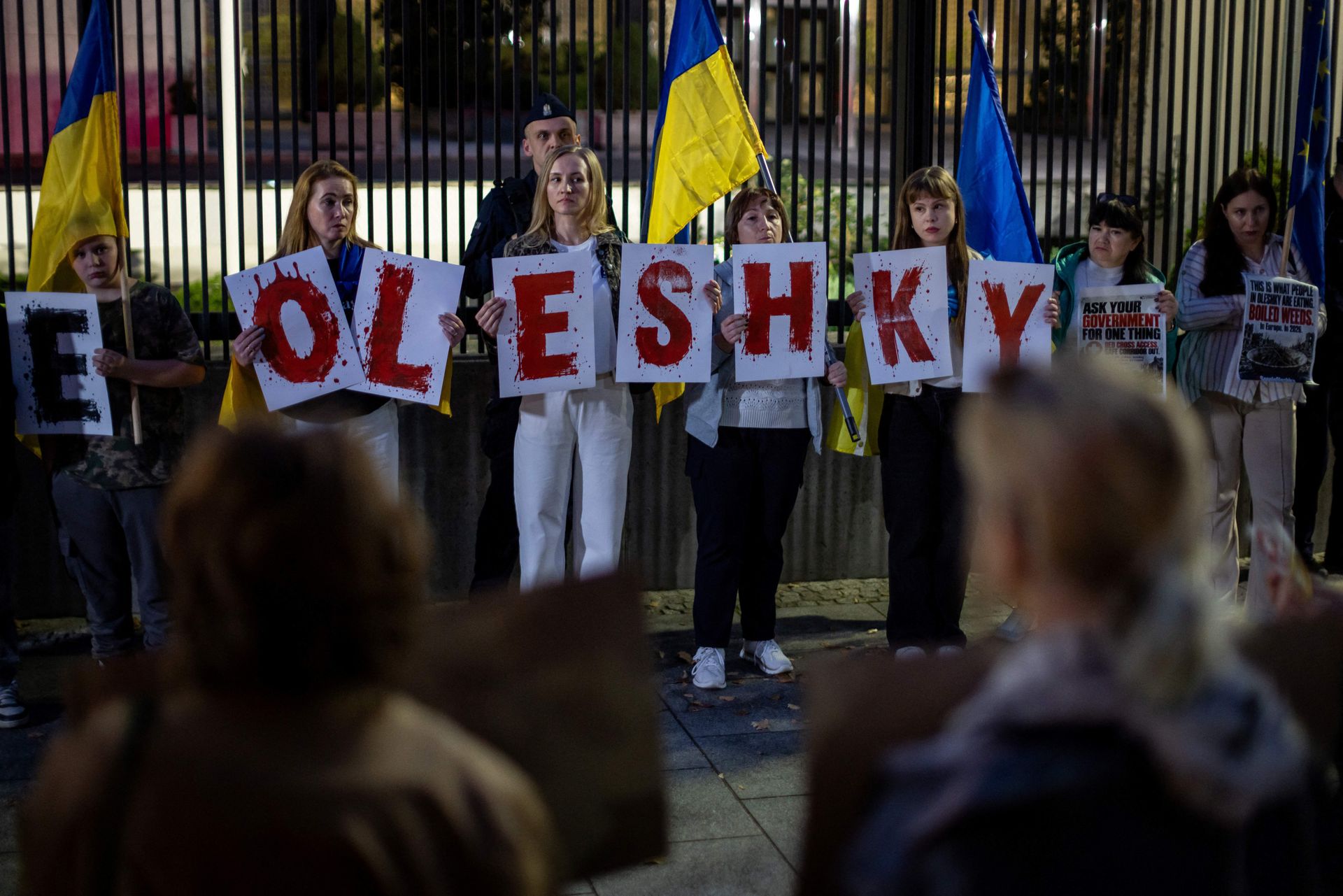
The Kyiv Independent reports on Russia's plans to conduct disinformation operations in the occupied Ukrainian town of Oleshky, which is situated in Kherson Oblast. According to the Security Service of Ukraine (SBU), Russian forces have ordered a unit to produce videos featuring Oleshky residents, with the aim of blaming Ukrainian forces for air attacks, blocking the town, and portraying Russian troops positively. This disinformation campaign is set to begin in October and early November.
Oleshky, which has been under Russian occupation since the early stages of the full-scale invasion, currently houses around 2,000 people, including nearly 50 children. The town faces severe shortages of food, water, and electricity, as well as mined roads, drone attacks, and interrogations by Russian troops at checkpoints.
Meanwhile, Ukraine's military has targeted Russian drone sites, command posts, communications infrastructure, and supply depots in occupied territories across Donetsk, Luhansk, Zaporizhzhia, and Kherson oblasts. Human rights activists have documented the detention of 64 elderly political prisoners from Crimea.
In addition to the ongoing disinformation campaign and military strikes, Russia has allocated over 865 billion rubles ($10 billion) to a state program covering occupied Ukraine. This program will be implemented over the next three years, from 2027 to 2029, with the aim of restoring infrastructure and supporting socioeconomic development in the occupied regions.
Written by urgent.news from Kyiv Independent's reporting — not their text. Machine-written — may contain errors; check the original before relying on it.