New rulebook for rogue pilots? flydubai attack puts 9/11-era aviation security in doubt
After 9/11 and Germanwings, does aviation need a new rulebook for rogue pilots?
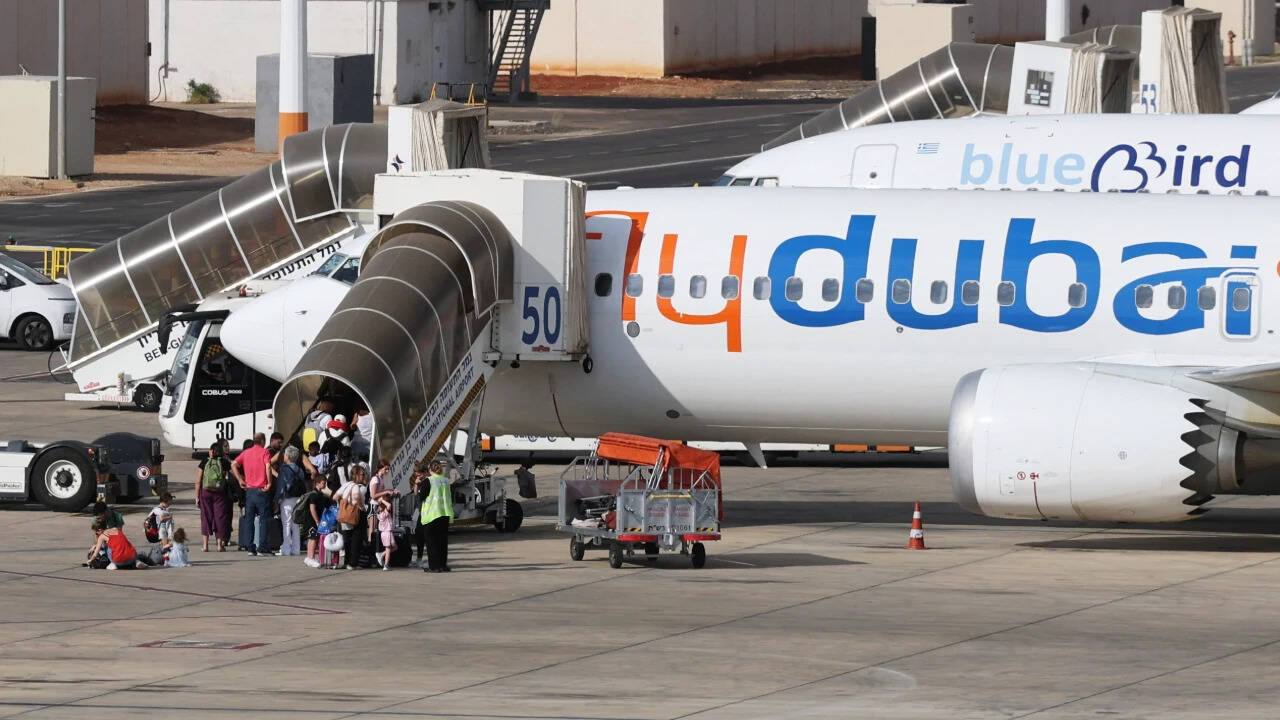
On September 30, a Flydubai co-pilot allegedly attacked the captain during a flight from Dubai to Tel Aviv, plunging the aircraft around 16,000 feet in 30 seconds. The incident, which ended with the aircraft landing safely in Tabuk, Saudi Arabia, has reignited concerns about the adequacy of aviation security measures in light of 9/11-era reforms.
The attack occurred after the co-pilot told interrogators in the UAE that he had planned the assault prior to joining the airline. While the aircraft's 182 occupants, including eight crew members, survived the ordeal, the event has prompted questions about pilot screening, information sharing between nations, cockpit access, and the industry's response to violent acts perpetrated by flight crew members.
Airlines have long fortified cockpit doors, enhanced airport security, and implemented procedures to prevent unauthorized access to aircraft. However, the Flydubai incident has raised doubts about pilot background checks, cross-border information exchange, cockpit security, and the industry's capacity to respond when a flight crew member turns violent.
On October 8, airline executives admitted that completely eliminating such incidents would be challenging, while still defending existing safety protocols. Authorities in the UAE and Saudi Arabia, along with Israel, are investigating the incident, which could lead to a reassessment of security procedures for flights arriving in Israel.
Rewritten by urgent.news; may contain errors — check the original.
Source: timesofindia.indiatimes.com