Net shutdown adds to massive disruption in capital
The mobile internet shutdown was among the largest web blackouts in the national capital’s history
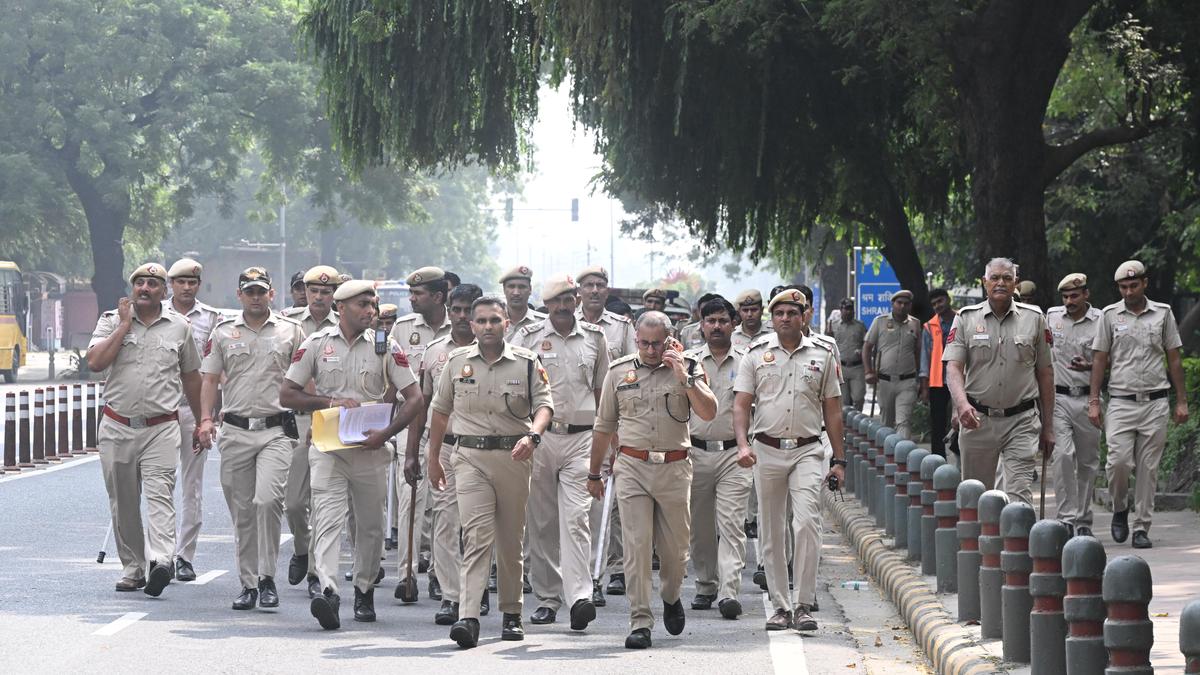
The mobile internet shutdown, enforced from 10 p.m. on Friday, October 9, 2026, through Saturday evening, further exacerbated the chaos resulting from the extensive crackdown on protest activities within the capital city. Digital transactions virtually came to a halt, except in establishments that provided WiFi service; protesters found themselves unable to communicate with friends and family in other areas of the city, as they were unable to share images or videos.
The shutdown, issued for a 4-kilometre radius centered around the junction of Janpath and Kartavya Path, a pair of the most heavily trafficked roads in the city's administrative core, was the largest such restriction in Delhi since protests against the Citizenship (Amendment) Act 2019, which took place over half a decade ago. The shutdown severely impacted gig workers' ability to conduct business, as many relied on mobile data to receive orders or resume work after completing deliveries or rides within the affected zones.
Google Maps also suffered, as its real-time traffic data, which is dependent on user-generated information, was unable to provide timely updates on road closures or traffic patterns. Consequently, turn-by-turn navigation suggested excessively lengthy routes circumventing Lutyens’ Delhi, a legacy of the government's failure to update restrictions swiftly, even in areas where the police had cleared the streets.
The curfews seemed to be inconsistently enforced, with certain users of one telecommunications company experiencing continued access until late afternoon. Online censorship also seemed to be in effect, although the extent of the imposed restrictions was not immediately clear. The Congress party's Seva Dal had its X account, formerly known as Twitter, suspended, and B.V.
Srinivas, the Seva Dal's chief organizer, had his Instagram account blocked by Meta. Mr. Srinivas stated he would seek redress through the Delhi High Court to contest the blocking. The Internet Freedom Foundation criticized the shutdown, highlighting that the government had not published the order despite a legal requirement. They noted that the directive, labeled as 'Top Secret', which is the highest security classification used by the Government of India, violated the published Rule 3 of these Rules.
The organization contended that there was no evidence presented to the public substantiating the claim that the shutdown would enhance protest safety, as previous research indicated that shutdowns were often associated with an increase in violent collective action rather than non-violent mobilization. By Saturday evening, partial lifting of the curbs had taken place, allowing for the restoration of data access in certain central Delhi regions.
Written by urgent.news from The Hindu - Sci-Tech's reporting — not their text. Machine-written — may contain errors; check the original before relying on it.