Mt. Everest is too staggering to recreate, it can only be documented
Despite being the subject of plenty of fiction films, Mt. Everest just works best when we really get to see it in documentaries.
When asked why he wanted to climb Mount Everest, George Mallory famously said, "Because it's there." This statement encapsulates the intrinsic allure of Everest, a mountain that truly exists and has been conquered by many in the past century. However, Everest's inherent majesty and the high-risk nature of its ascent present challenges that Hollywood struggles to replicate within films.
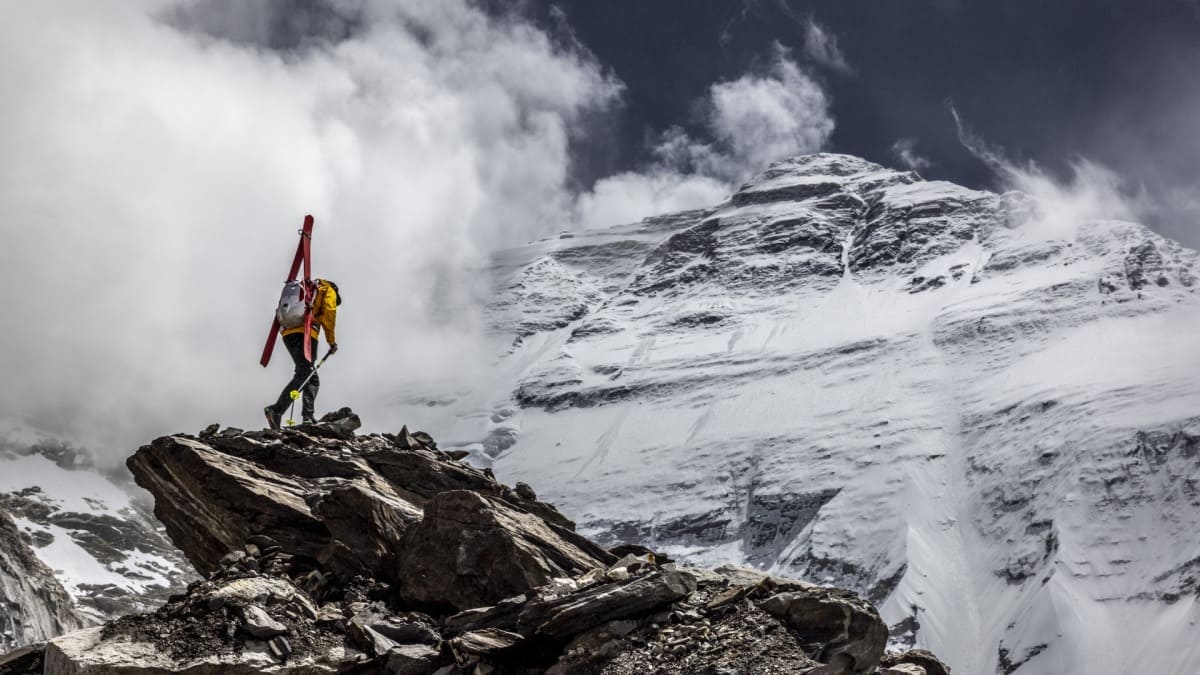
Two films released this October highlight the distinction between fictional and nonfiction films about Everest. The first, Tenzing, is a biopic about Tenzing Norgay, the Sherpa who, alongside Edmund Hillary, became the first person to summit Everest in 1953. In contrast, Everest: The Other Side is a documentary chronicling mountaineer Jim Morrison's attempt to summit the seldom-climbed North Face of Everest and ski back down, despite the tragic losses he has experienced.
The Tenzing film, starring Genden Phuntsok as Tenzing, Tom Hiddleston as Hillary, and Willem Dafoe as the British expedition leader, offers a commendable historical perspective by focusing on Tenzing, who has often been depicted as a supporting character. Filmed in Nepal and including stunning visuals of the real Everest and the Himalayas, Tenzing's most potent moments are its establishing shots, where Everest looms over the actors in the background, evoking a sense of awe.
Nevertheless, the film's narrative, which delves into Tenzing's upbringing, romantic relationships, and struggles to become a respected member of the climbing team, is marred by conventional biopic elements and sports-movie tropes. Other narrative Everest films are scarce, sharing similar shortcomings. Films like Ice Road: Vengeance, a sequel to Liam Neeson's Netflix actioner, and The Climb, a biopic of Nadir Dendoune who summited Everest without mountaineering experience in 2008, are entertaining but lack depth.
In comparison, Everest (2015), based on John Krakauer's Into Thin Air, is perhaps the most well-known Everest film, attempting to convey the mountain's impact. While it features a star-studded cast, including Jake Gyllenhaal, Josh Brolin, Robin Wright, Jason Clarke, and Keira Knightley, the film's attempts to recreate the harrowing events of the 1996 Everest disaster feel unoriginal, as they were captured in the 1998 IMAX documentary of the same name.
The documentary, filmed during the same climbing season as the 1996 disaster, features survivors and even aided in the rescue of some of the victims, as well as the facilitation of Rob Hall's final phone call to his pregnant wife. These authentic moments are not dramatized, exposing the fundamental issue hindering Everest movies: recreation.
Despite its basis in a true story, the film's emphasis on dramatization makes it difficult to discern what is authentic. This issue is particularly pronounced for films about Mount Everest due to the mountain's unique and awe-inspiring nature. The mountain's existence in reality is more captivating than any fictionalized or recreated version.
Consequently, the most successful narrative film about Everest, The Summit of the Gods, takes a different approach. The 2021 French adaptation of a '90s mountaineering manga is an animated masterpiece that captures the essence of Everest's grandeur without inviting comparisons to reality. It offers audiences the opportunity to escape into the mountain's majesty, rather than being reminded of the realities that make the mountain so extraordinary.
Written by urgent.news from The A.V. Club's reporting — not their text. Machine-written — may contain errors; check the original before relying on it.