LG’s RGB LED TV is good for certain situations, but an OLED is better
When it comes to TVs, the LG name has long been synonymous with OLEDs, continually leading Samsung and Sony as the top OLED manufacturer. But 2026 is all about RGB LED TVs. Almost every major company has released models with the new technology - including LG and its $3,600 75-inch Micro RGB evo MRGB95B that […]
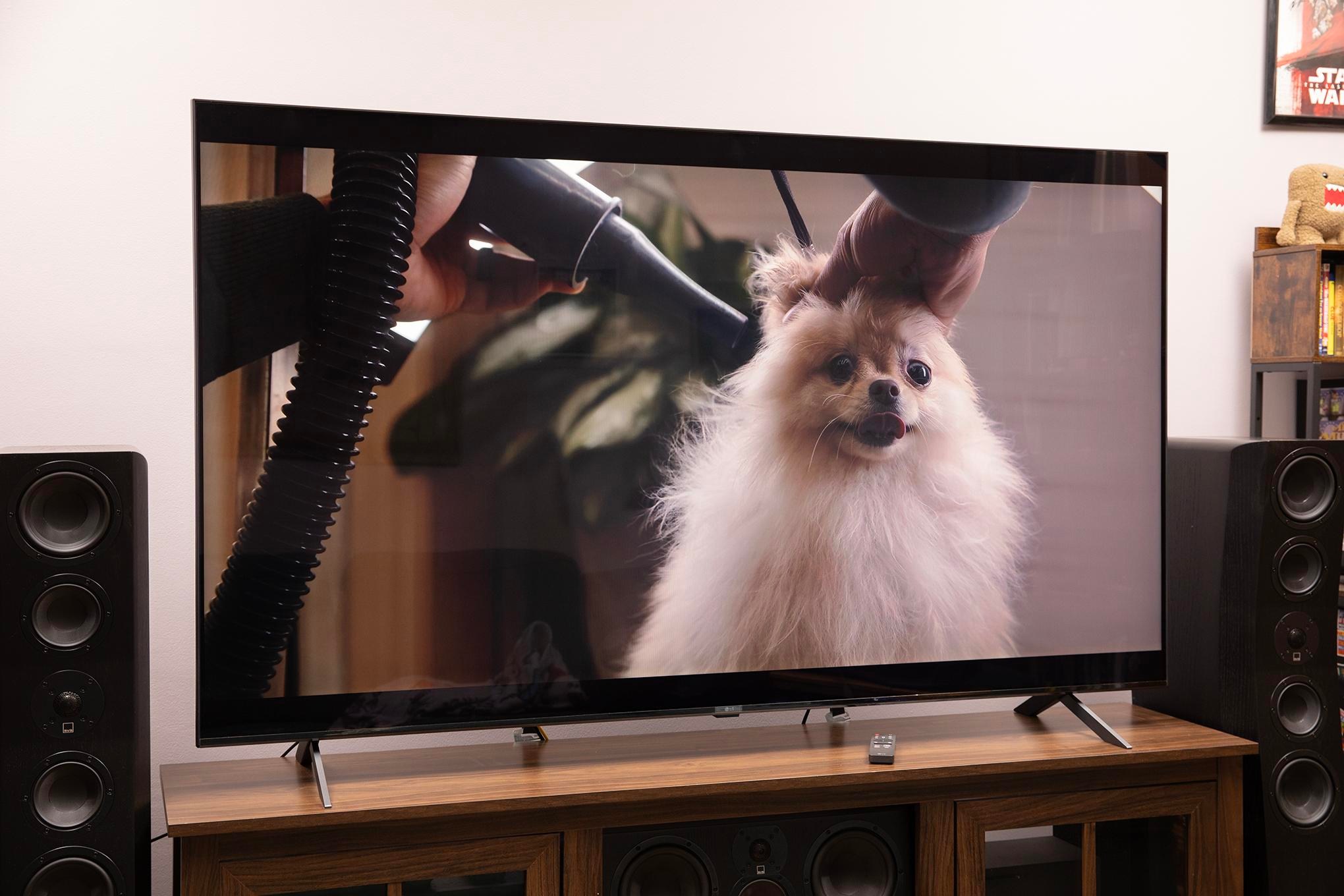
I recently tested the Roku Pro Series OLED TV, and I must say it stands out as one of the better budget OLEDs I've ever experienced. This TV comes in two sizes, 55 and 65 inches, with a 4K OLED HDR display and a 120Hz refresh rate. At $999.99, it's one of the more affordable OLED options on the market.
The Roku Pro Series OLED features Wi-Fi 5, Ethernet, and multiple HDMI ports, including one with eARC support. It also includes USB-C, USB-A, Ethernet, optical digital audio out, and a cable/antenna input. The TV is complemented by Roku's intuitive user interface, making setup and navigation a breeze.
During my testing, I watched various content, including Netflix shows, Blu-ray movies, and PlayStation 5 games. The TV's picture quality impressed me right from the start, offering bright and deep colors across its Bright, Normal, and Dark HDR modes. The minimalistic design, with a thin bezel and sleek profile, makes it a stylish addition to any room. The TV also comes with a sturdy stand or the option to mount it on the wall using a VESA mount.
Written by urgent.news from Tom's Guide's reporting — not their text. Machine-written — may contain errors; check the original before relying on it.
This story
This is one outlet's version. Read the fullest account.