Lack of heat action plan leaves Hong Kong’s vulnerable residents at risk, experts warn
Environmentalists and academics have criticised the omission of a systemic heat-health action plan in Hong Kong’s first five-year plan and latest policy address, warning that relying on “common sense” is failing to protect vulnerable residents from rising temperatures. Their comments came as new research from the University of Hong Kong (HKU) found that extreme heat may have contributed to as…
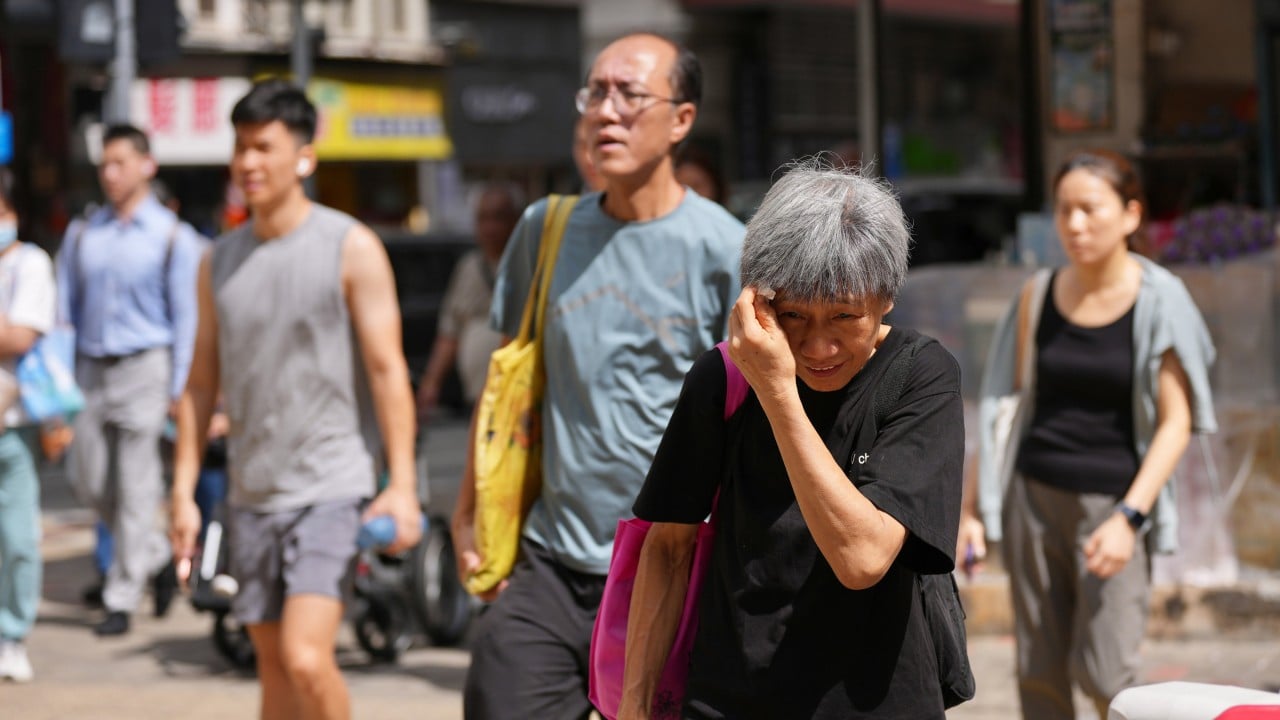
Experts are raising concerns that Hong Kong's commitment to protecting vulnerable residents from extreme heat is lacking, as neither the city's five-year plan nor its latest policy address includes a comprehensive heat-health action plan. Research from the University of Hong Kong (HKU) suggests that extreme heat may have been responsible for up to 3,238 excess deaths in the city over the past decade.
Rather than relying on "common sense" solutions, environmentalists argue that the government needs to take a more proactive approach by implementing a multi-faceted strategy, as outlined by the World Health Organization's eight core elements of a heat-health action plan. These elements include governance, early-warning systems, surveillance, outreach, and more.
Greenpeace Hong Kong campaigner Prudence Yeung called for high-level political commitment, such as including a heat action plan in official documents, to ensure heat adaptation and resilience become a priority for the city. A new management system, known as the "city brain," aims to improve interdepartmental collaboration during extreme weather events.
According to a recent study, heatwaves in Hong Kong between 2014 and 2023 may have contributed to between 1,455 and 3,238 excess deaths, with the revised estimate surpassing the earlier figure of 1,677. The study, led by Professor David Bishai from HKU's School of Public Health, used demographic data, temperature records, and relative risks derived from local research to estimate the number of preventable deaths.
Heat-related deaths could be reduced by enacting an action plan, as demonstrated by Paris, where a proactive welfare check system for the elderly resulted in a 77% reduction in heat-related mortality following heatwaves in 2003. Hong Kong's current heat measures involve issuing very hot weather warnings, activating temporary shelters, and providing heat-stress alerts for outdoor workers.
However, environmentalists argue that more needs to be done, including increasing the number of heat shelters, improving public health education, and implementing measures to combat rising temperatures in densely populated areas.
Rewritten by urgent.news; may contain errors — check the original.
Sources: hongkongfp.com · scmp.com
This story
This is one outlet's version. Read the fullest account.