Lack of heat action plan leaves Hong Kong’s vulnerable residents at risk, experts warn
Environmentalists and academics have criticised the omission of a systemic heat-health action plan in Hong Kong’s first five-year plan and latest policy address, warning that relying on “common sense” is failing to protect vulnerable residents from rising temperatures. Their comments came as new research from the University of Hong Kong (HKU) found that extreme heat may have contributed to as…
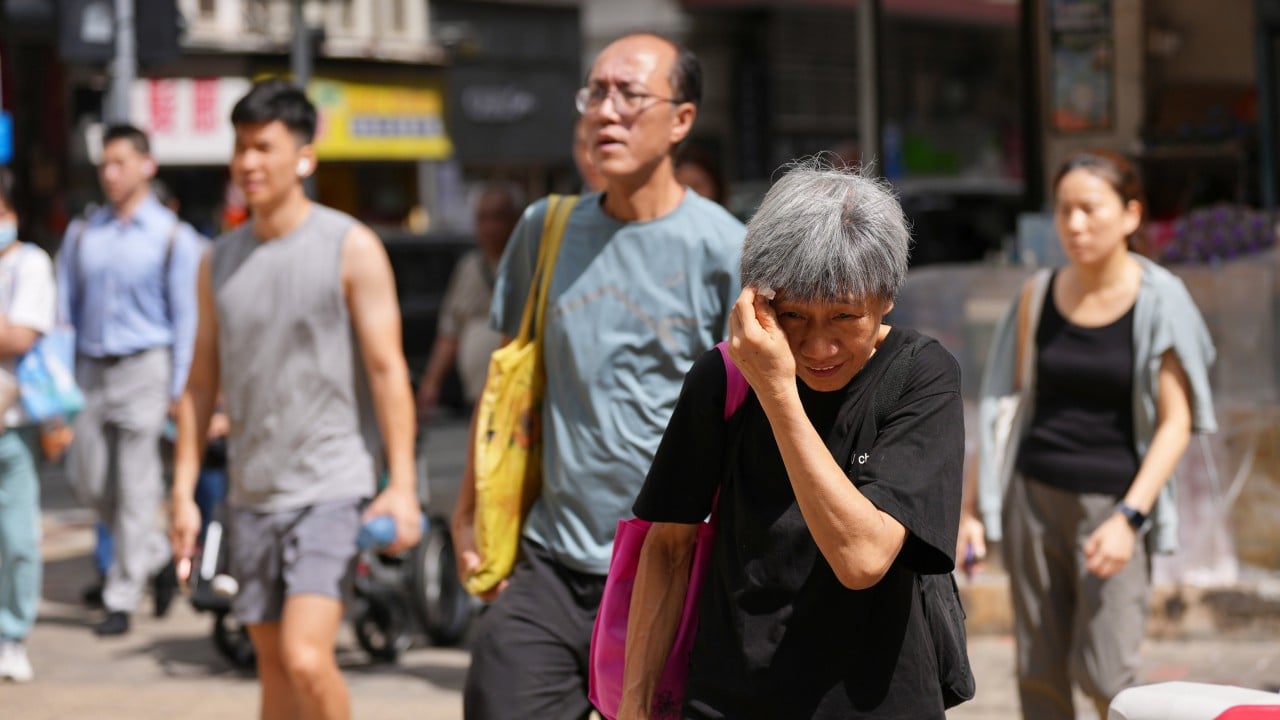
Environmentalists and academics have criticized the absence of a comprehensive heat-health action plan in Hong Kong's recent five-year plan and policy address, arguing that relying on "common sense" is insufficient to safeguard vulnerable residents from increasing temperatures. Research from the University of Hong Kong (HKU) has found that extreme heat may have been responsible for up to 3,238 excess deaths in the city over the past decade.
Despite ongoing efforts to enhance government and community response capabilities, environmentalists contend that neither the five-year blueprint nor the annual policy address, both presented by Chief Executive John Lee Ka-chiu in September, included a cross-departmental plan for systemic heat-health action. The WHO outlines eight core elements for such plans, including governance, early-warning systems, surveillance, and outreach.
Greenpeace Hong Kong campaigner Prudence Yeung emphasized that high-level political commitment, such as incorporating a heat action plan into policy documents, could prioritize heat adaptation and resilience, enabling investment in infrastructure, research, and public awareness. A recent Greenpeace survey revealed that nearly 80% of low-income elderly individuals in Hong Kong experienced physical or mental distress during extreme heat periods.
The city recently recorded its hottest single day since records began in 1884. Professor David Bishai, director of HKU's school of public health, and his team revised figures from a 2024 study, estimating that heatwaves between 2014 and 2023 may have contributed to between 1,455 and 3,238 excess deaths. Bishai's projections were based on demographic data, temperature records, and relative risks derived from local research.
He highlighted that these excess deaths were largely preventable exacerbations of underlying health conditions, rather than heatstroke, which is rare. Bishai noted that a heat action plan, similar to Paris's approach, could reduce heat-related mortality by up to 77% during heatwaves. Hong Kong's heat measures, triggered by "very hot weather" warnings, include temporary shelters for the elderly and public health advisories.
However, there is a gap between heat warnings and government-led community relief, as highlighted by HKU climate-responsive design specialist Ren Chao. She called for more heat shelters, public health education, and subsidies for electricity bills, as well as the adoption of a coordination framework akin to the existing typhoon response panel to develop a heat action plan.
Rewritten by urgent.news; may contain errors — check the original.
Sources: hongkongfp.com · scmp.com
This story
This is one outlet's version. Read the fullest account.