Iranian army maintains over 50 units on border, identifies possible enemy entry points
Iran's army has deployed more than 50 units along its borders and surveyed potential sites for hostile incursions, including abandoned airports.
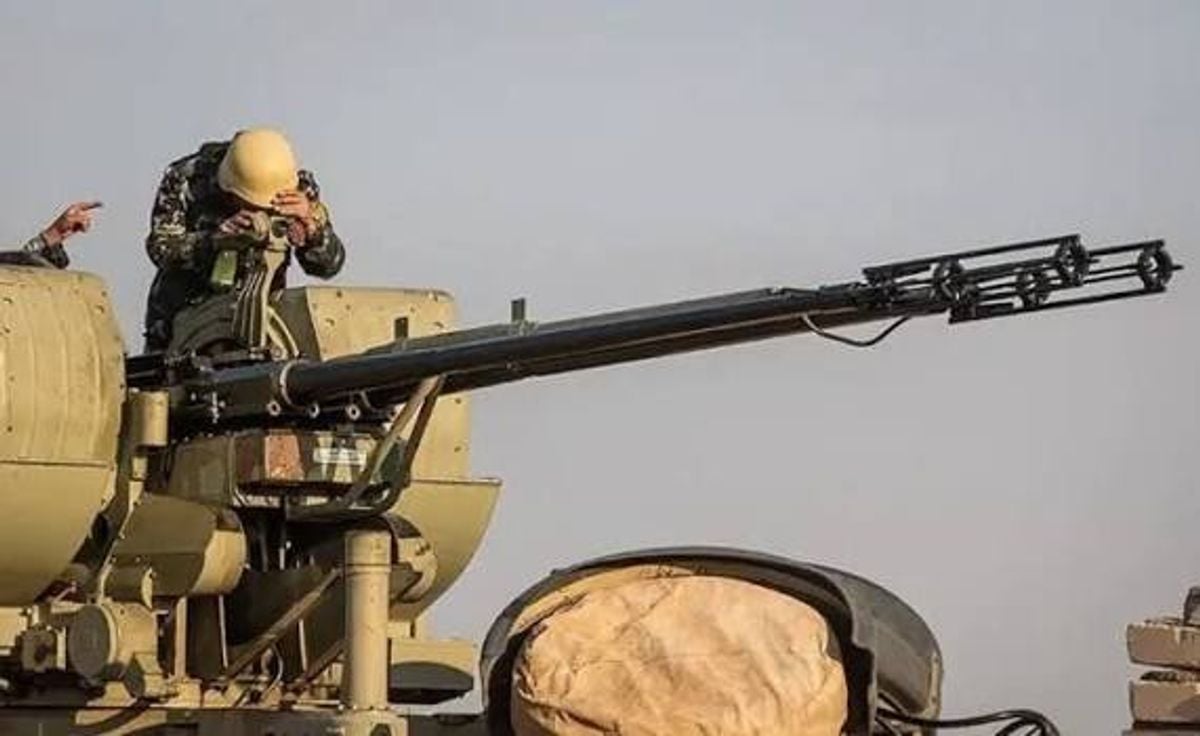
The Iranian military has stationed over 50 units along its frontiers and conducted surveys to pinpoint potential enemy infiltration routes, including deserted airports. Brigadier General Ali Jahanshahi, head of Iran’s Army Ground Forces, disclosed that reconnaissance operations have been carried out nationwide to pinpoint locations where hostile forces might land or approach Iranian soil.
This development follows the continuation of more than 50 combat and support units stationed along the borders since the onset of the ongoing conflict. In an interview with Fars News Agency, which was subsequently reported by Iranian media, Jahanshahi emphasized that these units are ready to react to threats and execute operations.
He further explained that the army has designated specific units to monitor and manage potential entry points exploited by adversary forces. These deployments stretch across the nation from the northwest and west, southwest, east, southeast, and the Makran coast. The forces comprise mobile brigades, rapid response troops, armored and mechanized units, alongside artillery, engineering, missile, and drone divisions.
Jahanshahi clarified that personnel, ammunition, and equipment were moved using heavy vehicles during nighttime operations, under the threat of enemy aircraft and drones. He noted that this deployment has served as a deterrent against any attempts to breach Iranian territory. Part of the military preparations involved reviewing operational plans, restructuring the force, and equipping units with advanced smart weapons and precision capabilities, all interconnected and complemented by enhanced personnel training.
The general highlighted the construction of trenches, tunnels, firing positions, and defensive fortifications within camps to minimize casualties and restrict adversaries' access to equipment. Despite challenging conditions, such as temperatures surpassing 50 degrees Celsius, high humidity, and resource constraints, Jahanshahi asserted that ground forces units remain steadfast in their missions.
During the war, the ground forces conducted missile attacks and deployed thousands of Arash drones towards US bases in the region and Israel, according to his account. He added that equipment production continued throughout the conflict and remains ongoing, asserting that the units' capabilities and readiness have exceeded pre-war levels.
Jahanshahi acknowledged that some camps were targeted by attacks that damaged extensive areas of their buildings, but emphasized that the scattering of forces and fortifications limited losses, without disclosing specific casualty numbers.
Rewritten by urgent.news; may contain errors — check the original.
Source: english.ajel.sa