India needs open trade, a stronger WTO and a more proactive global role: Experts
India's economic growth necessitates a stronger alignment of domestic priorities with international trade positions and agreements. The discussion highlighted the ongoing importance of the World Trade Organisation in shaping global trade rules. Experts emphasized the need for India to actively engage in multilateral trade systems while pursuing Free Trade Agreements. They also discussed India's…
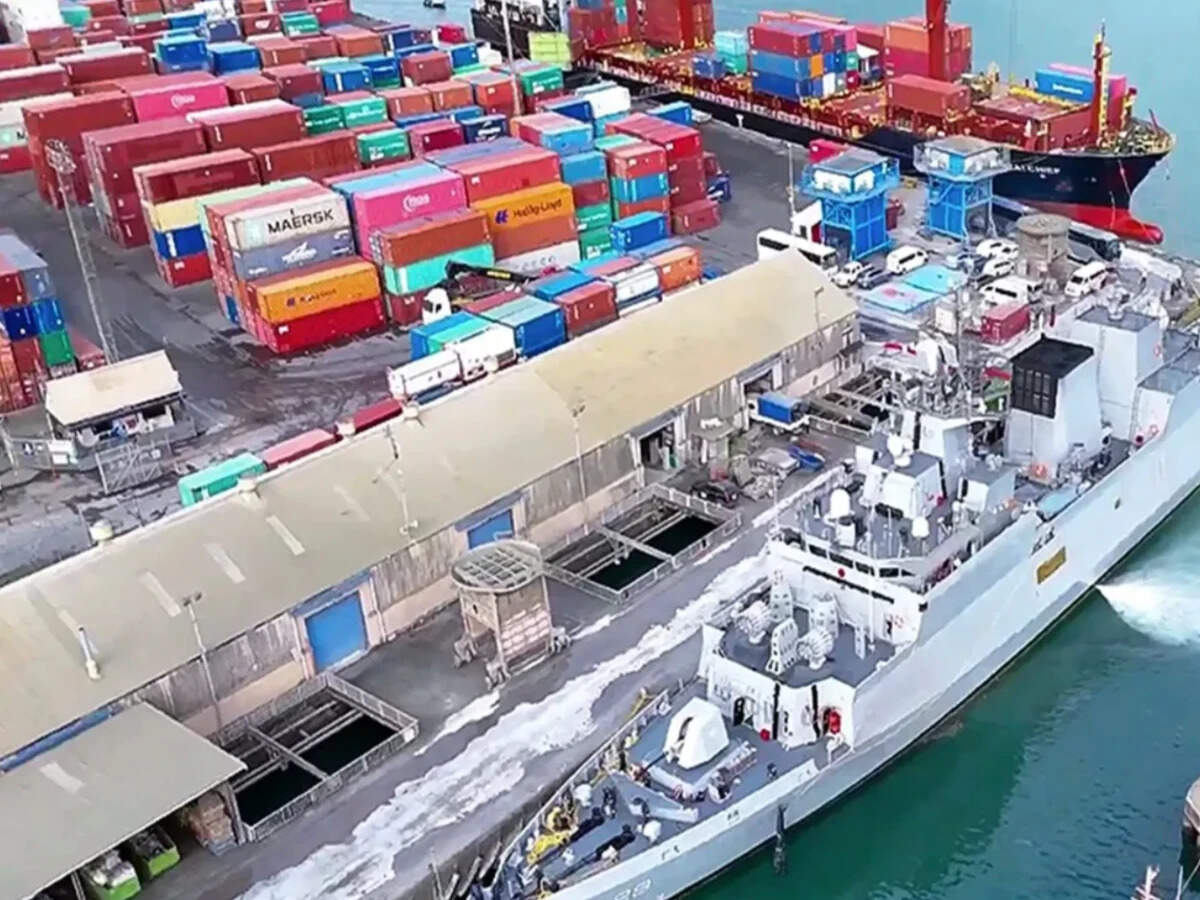
India's growing network of Free Trade Agreements (FTAs) can bolster, rather than replace, its involvement with the World Trade Organisation (WTO), according to experts gathered at a panel discussion in Jaipur. The event, titled "Is India Keen on Taking Forward the Multilateral Trading System?", brought together prominent figures to discuss the need for the country to balance its domestic priorities with its role in the global trading system.
Pradeep S. Mehta, Secretary General of CUTS International and moderator of the panel, stressed the importance of multilateralism in restoring global order. He highlighted the World Trade Organisation (WTO) as a vital global public good that requires protection and promotion. The formation of a coalition led by Canada, including India and Kenya, known as Partners for Multilateralism (P4M), was seen as a positive step towards restoring trust in the multilateral trading system.
Former Secretary of the Ministry of External Affairs and a trade expert, Dammu Ravi, acknowledged both the resilience and limitations of the existing rules-based system. Despite growing challenges, world trade has continued to expand, indicating that many Members still have confidence in the WTO. However, Ravi argued that the system needs to better address the concerns of the Global South. India's evolving economic interests and negotiating positions must align with the country's rapid growth, he added.
Rajesh Aggarwal, Chairman of CUTS International Geneva and a former trade negotiator for India, emphasized the importance of greater coherence between India's domestic economic priorities and its multilateral positions. He pointed out the need for India to ensure that its policy ambitions are consistently reflected in its international engagement.
The discussion also recognized the WTO's continued importance as the broadest common rules framework for international trade. With 166 Members, it remains the primary forum for negotiating new trade disciplines. However, the World Trade Report 2026 found that 72% of global merchandise trade still takes place on most-favoured-nation (MFN) terms, underscoring the enduring significance of multilateral trade rules.
Former Counsellor of India at the WTO, Aashish Chandorkar, highlighted India's proactive role in WTO reform discussions. He noted that India is keen on advancing the multilateral trading system, particularly in a world where several economies are becoming more inward-looking. India's pursuit of economic resilience through openness is particularly relevant for a business-oriented city like Jaipur.
The panel also discussed the potential for plurilateral approaches within the WTO, allowing willing Members to address specific issues while preserving transparency, inclusiveness, and appropriate safeguards for non-participating Members. Trade lawyer and former delegate to India's WTO missions, R. V. Anuradha, stressed the need for India to articulate its vision of sustainability in trade, encompassing economic, environmental, and social dimensions.
She argued that India can move from a reactive approach to greater engagement in shaping emerging trade and sustainability rules.
Written by urgent.news from The Economic Times - Economy's reporting — not their text. Machine-written — may contain errors; check the original before relying on it.