How to zoom through new Huanggang Port crossing at Hong Kong’s border
The Huanggang Port will open on Monday after more than six years of redevelopment and rounds of preparatory drills. The 24/7 checkpoint will be the first to adopt the “joint clearance” model, where passengers can complete both departure and entry clearance in a single three-gated automated channel. As the final checks are carried out, the South China Morning Post explains what you need to…
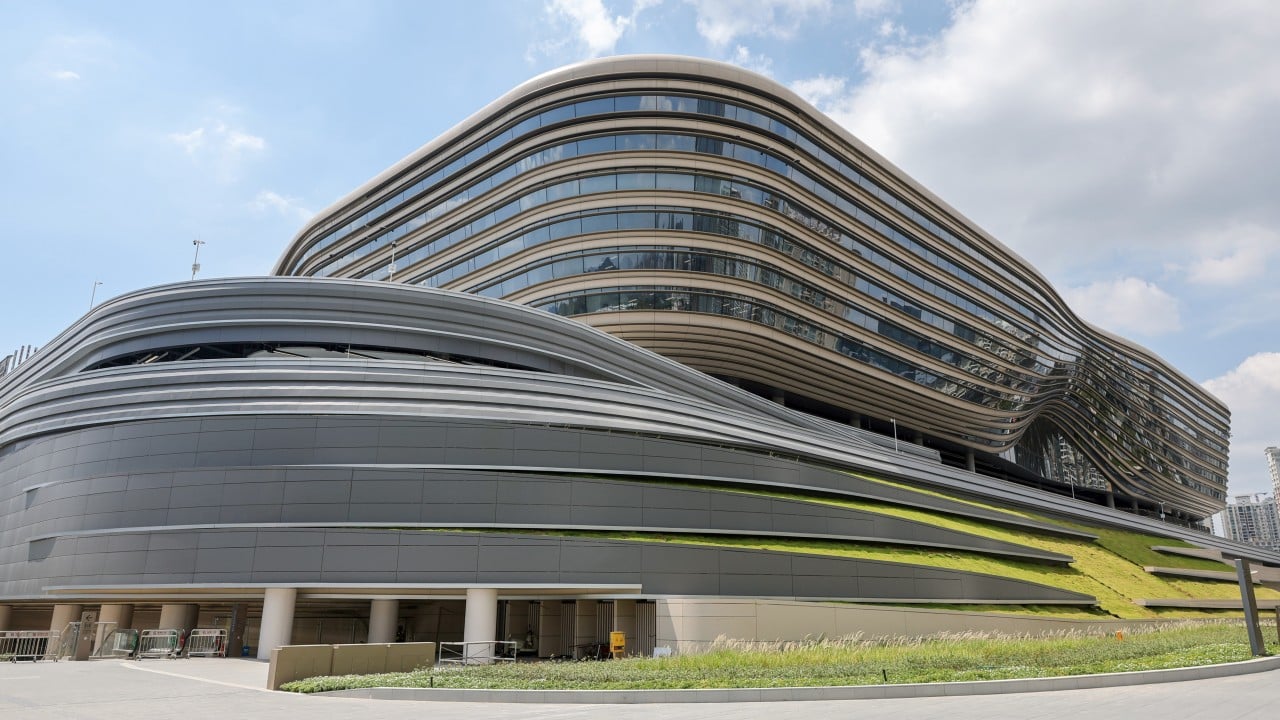
On Monday, the Huanggang Port will open after a lengthy redevelopment period. This new 24/7 border crossing will feature a unique "joint clearance" model, allowing passengers to complete both departure and entry clearance simultaneously through a single automated three-gated channel.
To use this facility, both Hong Kong and mainland Chinese residents must register with immigration authorities on both sides of the border. Hong Kong residents must first register at mainland authorities via other land checkpoints or the existing Huanggang checkpoint before Monday's closure. Mainland residents can register at the enrolment office on the fifth floor or at the gates of the "joint clearance" channels.
Getting to the checkpoint involves using only authorized public transport services, such as buses, green minibuses, or taxis, which drop passengers off inside the checkpoint building. For those traveling by cross-boundary coach services, including routes from Mong Kok, Yau Tsim, Kwun Tong, Wan Chai, and Tsuen Wan, the revamped facility is also available.
Once inside the building, passengers will take escalators to the departure hall on level five for immigration clearance. For cross-boundary private car users, a separate clearance hall at level one is available for entry into Shenzhen.
The clearance procedure is designed to be efficient, with 134 e-channel machines handling the process and 68 staffed counters available as backups. These machines require only one identity document from the destination for both departure and entry clearance. This significant reduction in time, from 30 minutes to just five minutes, was announced by the Secretary for Security Chris Tang Ping-keung.
Private car drivers can use the "joint one-stop" vehicle lane on level one, where they will pass through a customs kiosk and an integrated information collection device. This device gathers identity and biometric information for five departments of both Hong Kong and Shenzhen authorities, ensuring clearance without requiring advance registration. Drivers can then proceed to Shenzhen with their passengers at a designated pickup zone.
For public transport in Shenzhen, passengers can access levels one to three of the building, where they can take metro line seven, taxis, and buses. A high-speed intercity railway connecting Shenzhen, Guangzhou, and Dongguan is also set to be connected to the revamped crossing in the future, though its exact completion date remains unknown.
Rewritten by urgent.news; may contain errors — check the original.
Source: scmp.com
This story
This is one outlet's version. Read the fullest account.