Homemade paneer isn’t automatically safer: What matters more, according to a dietitian
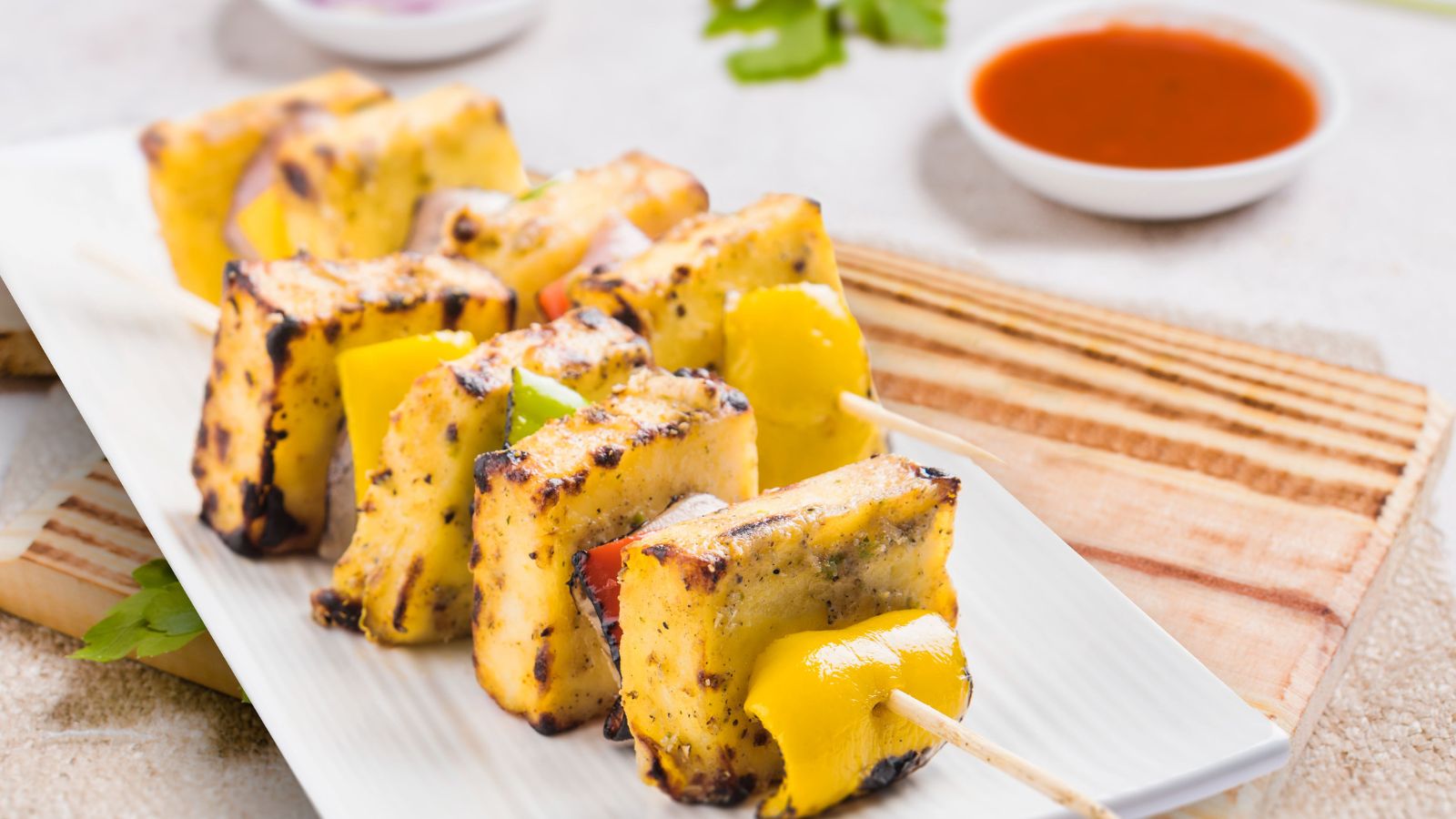
The proposed amendments to India's Food Safety and Standards (Prohibition and Restrictions on Sales) Regulations aim to clarify the nature of products labeled as paneer. These changes would restrict the use of the term "paneer" for analogue products made with non-dairy substitutes, preventing consumer confusion about the product's composition.
Dietician Garima Goyal notes that while homemade paneer can be safer due to ingredient control, it is not inherently safer than commercially produced paneer. The safety of homemade paneer hinges on the quality of milk used and proper hygiene during preparation. Contaminated or improperly handled milk can still pose health risks, regardless of whether the paneer is made at home or in a factory.
Nutritionally, homemade paneer offers the advantage of allowing consumers to select the type of milk used. Paneer can be made from toned or lower-fat milk, resulting in a different fat and calorie content compared to paneer made from full-fat milk. However, Goyal emphasizes that the nutritional value of paneer depends on individual dietary needs and preferences.
For consumers, Goyal advises checking FSSAI license details, ingredient lists, manufacturing and expiry dates, packaging integrity, and storage instructions when purchasing paneer. Proper refrigeration and visual inspection for unusual odors, textures, discoloration, or damaged packaging are also crucial for ensuring food safety.
Ultimately, the safety of paneer – whether homemade or store-bought – depends on the quality of raw materials, hygiene practices, and appropriate storage conditions. Consumers should exercise caution with both types of paneer rather than assuming one is universally safer than the other.
Written by urgent.news from The Indian Express's reporting — not their text. Machine-written — may contain errors; check the original before relying on it.