Gulf moves beyond stereotypes, strengthens media presence: QPC seminar
The Gulf has emerged as an influential centre of Arab cultural, political and economic activity, yet perceptions of the region remain constrained by stereotypes that focus largely on oil wealth and ur...
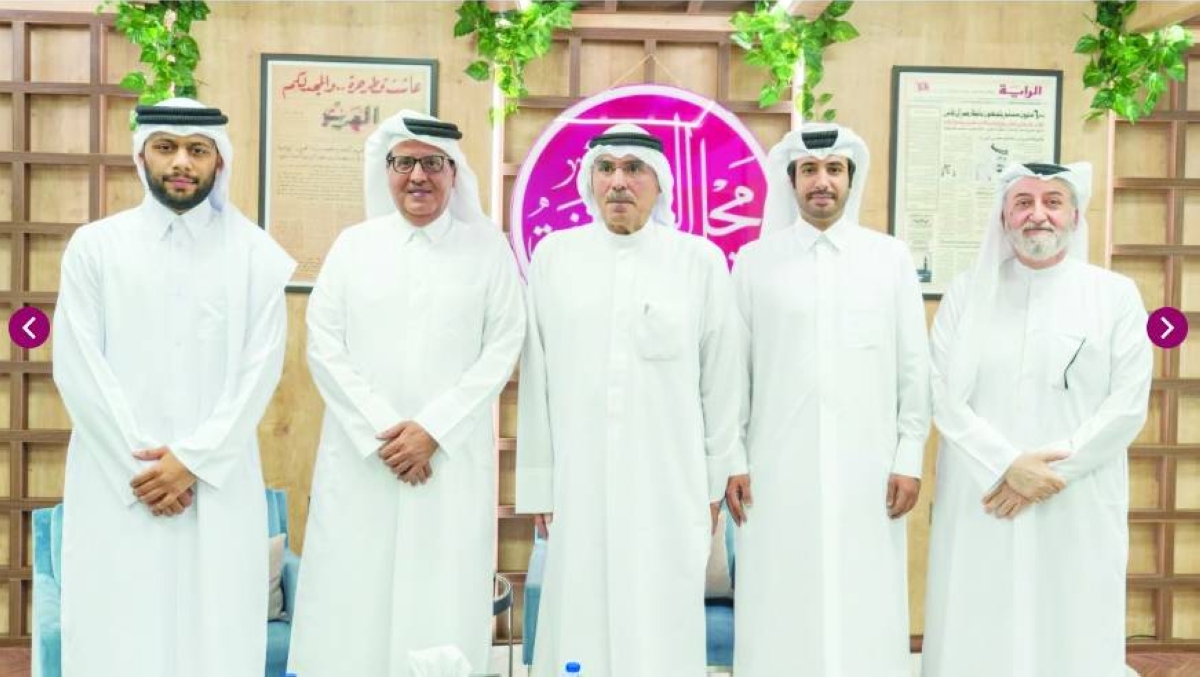
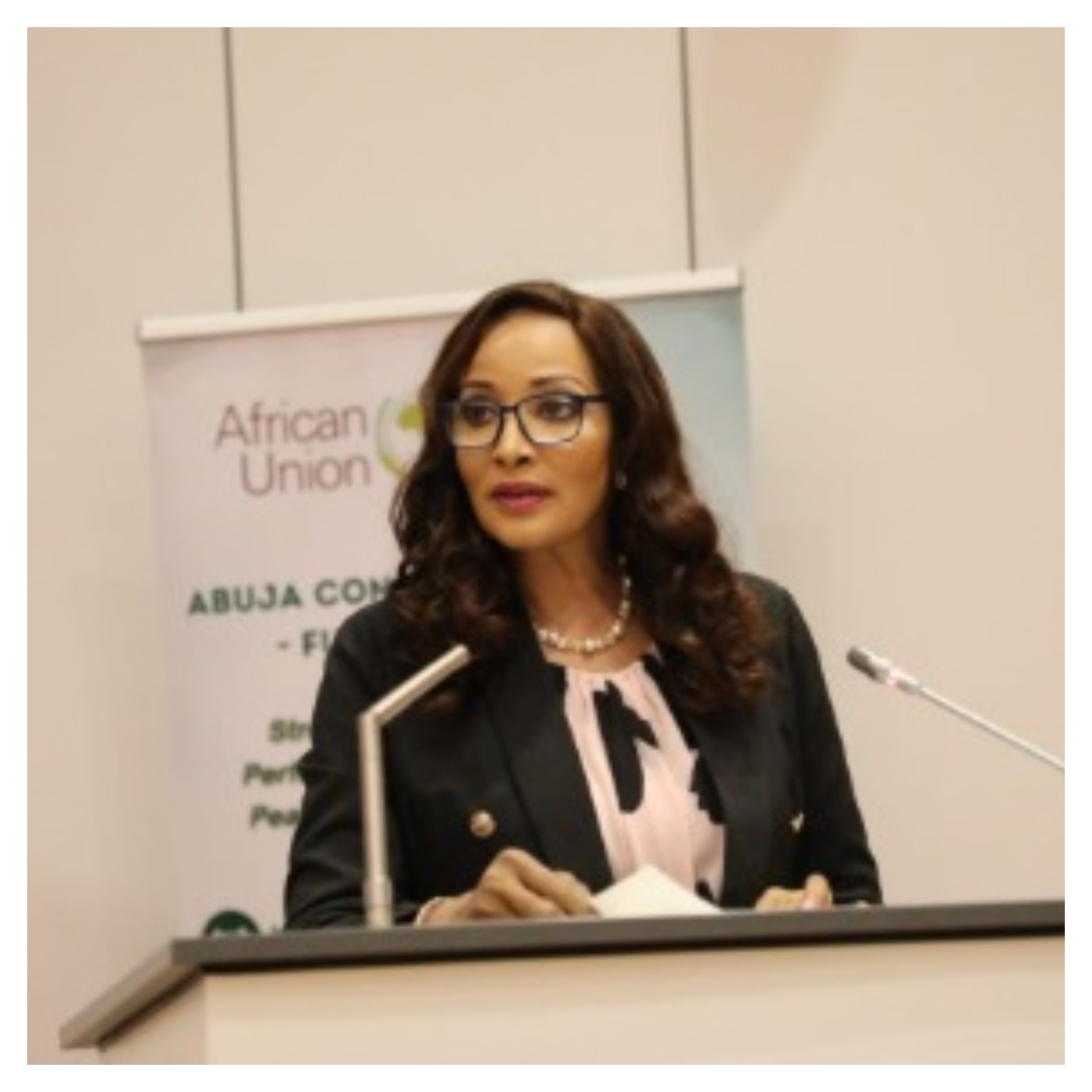
The Gulf region has evolved into a key player in Arab affairs, yet its image is still shaped by misconceptions centered around its oil wealth and urban growth. Dr. Saleh al-Mutairi, a media professional and political researcher, addressed these issues at a QPC seminar on the “Dual Image of the Gulf in the Media”. He emphasized the Gulf's shift from a peripheral region to a major influencer in the Arab world, urging Gulf media to present a more nuanced story that reflects the region's social changes, intellectual achievements, and increased international impact.
Al-Mutairi pointed out that this transformation should not diminish the historical significance of traditional Arab cultural centers, but rather indicate a broadening scope of cultural and intellectual production. He cautioned against conflating oil wealth with Gulf identity, stressing the importance of recognizing the region's human, cultural, and civilizational contributions.
Despite Qatar’s 2022 FIFA World Cup, he questioned whether Gulf media had truly transformed perceptions of the region, which are often limited to images of deserted cities.
Regarding the interaction between Gulf societies and Arab intellectuals, al-Mutairi noted that the region has become a magnet for writers, researchers, and scholars due to its universities, cultural institutions, and media organizations. However, he argued that intellectual engagement should transcend cultural events to provide substantial contributions to public discourse and knowledge generation.
He highlighted the importance of Arab talent in the region’s development, describing this as a crucial aspect of Arab cooperation.
Al-Mutairi also cited the 2022 FIFA World Cup hosted in Qatar as an example of the Gulf’s capability to host significant international events, breaking stereotypes. He also praised Kuwait-based Al-Arabi magazine for providing readers with in-depth coverage of Arab societies and cultures. Discussing the evolving landscape of Arab cultural influence, al-Mutairi emphasized the rise of numerous knowledge and creativity centers, particularly in Qatar’s universities, which attract a diverse international student and researcher population.
He dismissed the idea that financial resources were the sole reason for the Gulf’s increasing influence, stressing the vital role of robust institutions, skilled professionals, and initiatives that deliver meaningful intellectual and cultural value. Finally, he underscored that owning media platforms alone was insufficient to mold public perceptions; a cohesive narrative communicating the Gulf’s history, achievements, and changes was essential.
He gave examples of Al Jazeera’s global reach and Al Kass channels’ professional sports coverage to illustrate the importance of quality media in enhancing the region’s media presence.
Written by urgent.news from Gulf Times's reporting — not their text. Machine-written — may contain errors; check the original before relying on it.