Government plans caps on cancer drug margins. Will prices fall?
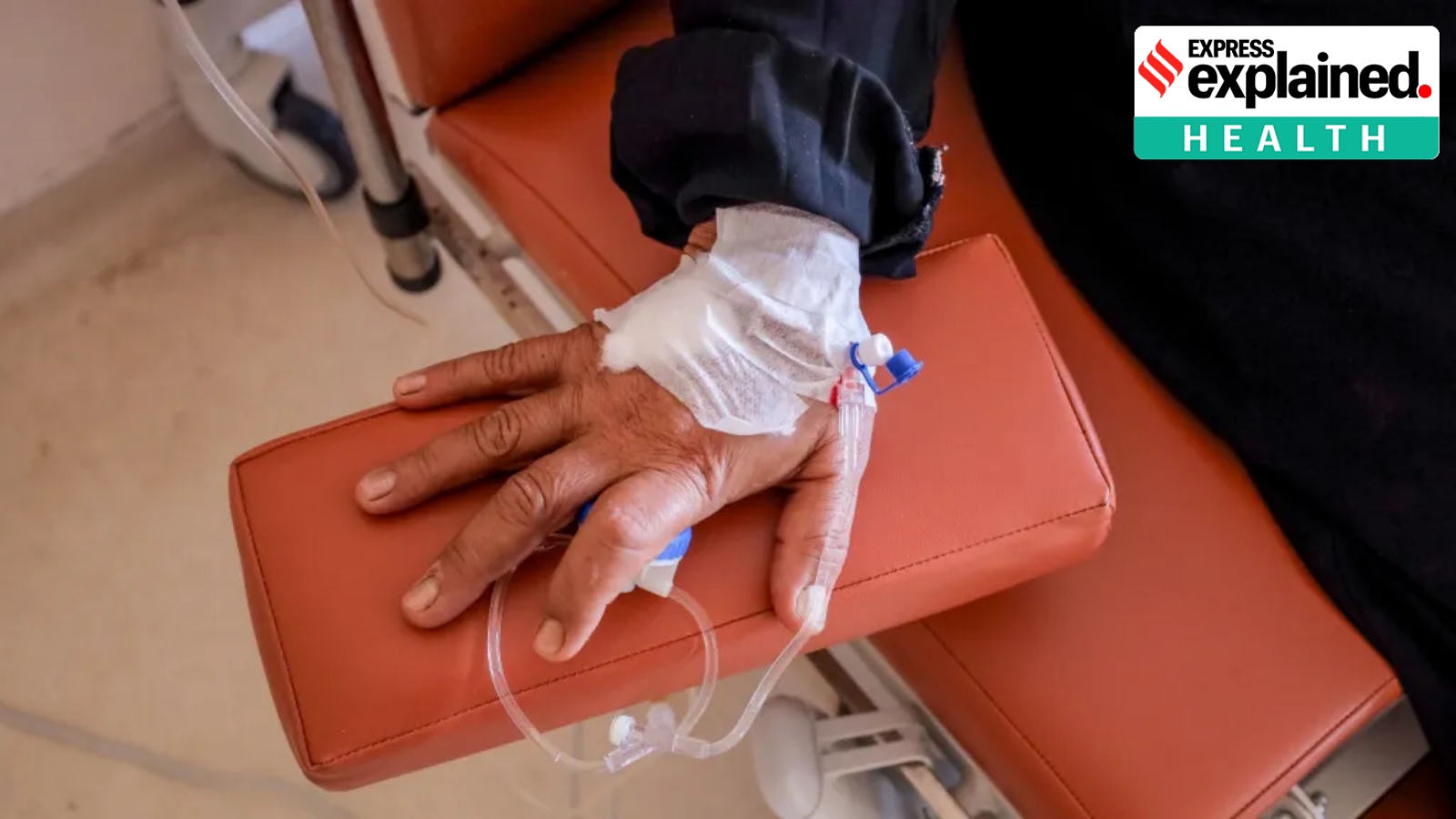
The Indian government has recently announced a plan to impose caps on the margins earned by pharmaceutical companies selling cancer drugs, with the aim of reducing prices and making these medicines more affordable for patients. The move follows a successful pilot program in 2019 that saw a 91% reduction in the maximum retail price (MRP) of 42 cancer medicines.
Trade margin rationalisation (TMR) is a mechanism that caps the percentage markup allowed on medicines from the price at which they are sold to distributors (stockists) to the price at which they are sold to consumers. Under the new plan, pharmaceutical companies will be restricted from charging more than 30% over the cost of the drug at the first point of sale, which could potentially lower the marked prices of selected cancer drugs by up to 70%.
The drugs covered by this initiative will primarily be expensive, non-scheduled cancer medicines that are not currently subject to price control. While the final list of drugs is still under consideration, it is expected to include popular and widely used treatments, such as chemotherapy drugs like Cytarabine and Mitoxantrone, as well as immunotherapy drugs like osimertinib and ribociclib.
Experts and patient advocacy groups have welcomed the government's decision, arguing that cancer drug prices have become prohibitively high in India, with some therapies costing ten times more than their global counterparts. By capping trade margins, the government hopes to bring down the prices of these life-saving drugs, making them more accessible to the millions of cancer patients who cannot currently afford them.
Written by urgent.news from The Indian Express's reporting — not their text. Machine-written — may contain errors; check the original before relying on it.