Googlebooks mark the end of the old Google
Does Google still believe in the open web? With the launch of its new Googlebooks, it doesn’t feel that way. Googlebooks are Google’s attempt to establish a new platform of Android-based laptops, with native Android app support and tight connectivity with Android phones. They’re also an extension of Google’s efforts to rebuild Android around AI , with Gemini features just a quick cursor gesture…
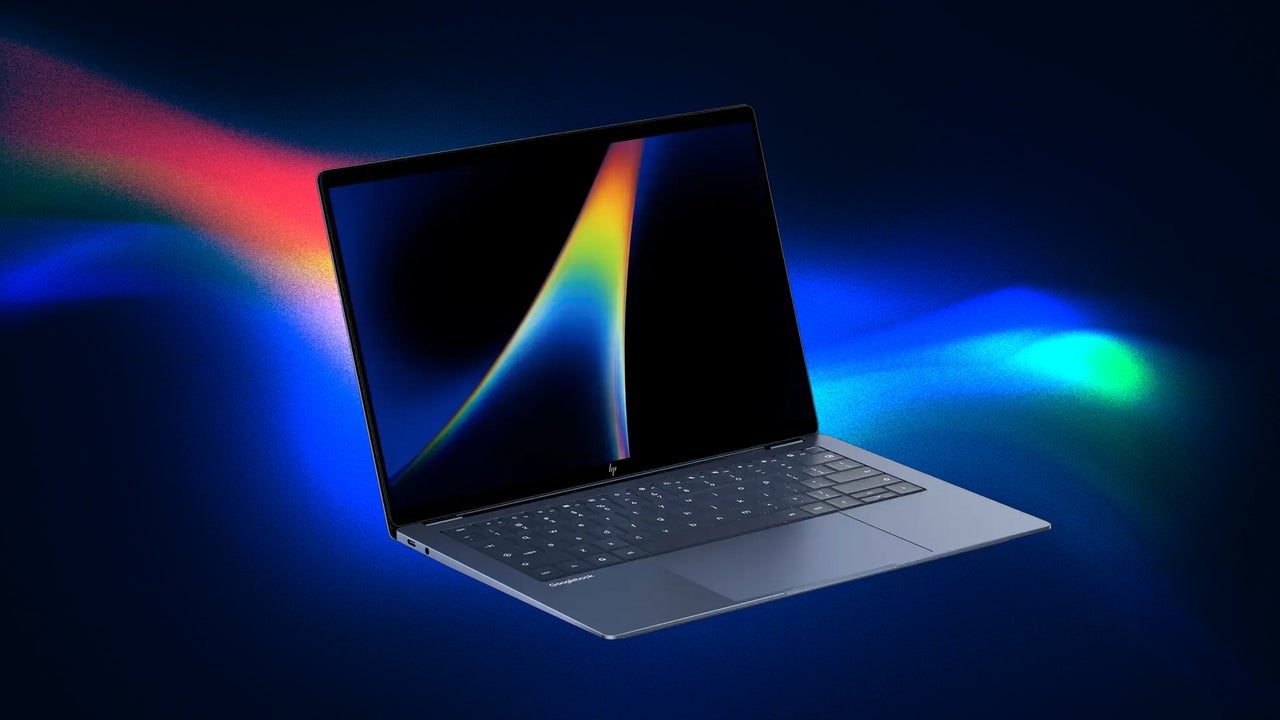
Google's new Googlebooks signal the end of the original Chromebooks, which once embodied the company's idealistic vision of a truly open web. Once celebrated for their speed, simplicity, and security, Chromebooks now represent a fading dream, as Google pivots to a platform more tightly controlled by itself. Googlebooks bring Android-based laptops to life, with native Android app support and seamless connectivity between devices.
They also embody Google's renewed focus on integrating AI features into its computing ecosystem. However, the shift away from Chromebooks marks the demise of a platform that once epitomized Google's commitment to the open web, stripped of its original tenets of speed, simplicity, and security.
Written by urgent.news from Fast Company's reporting — not their text. Machine-written — may contain errors; check the original before relying on it.