From Cornell to Kolkata, the dangerous power of the pack
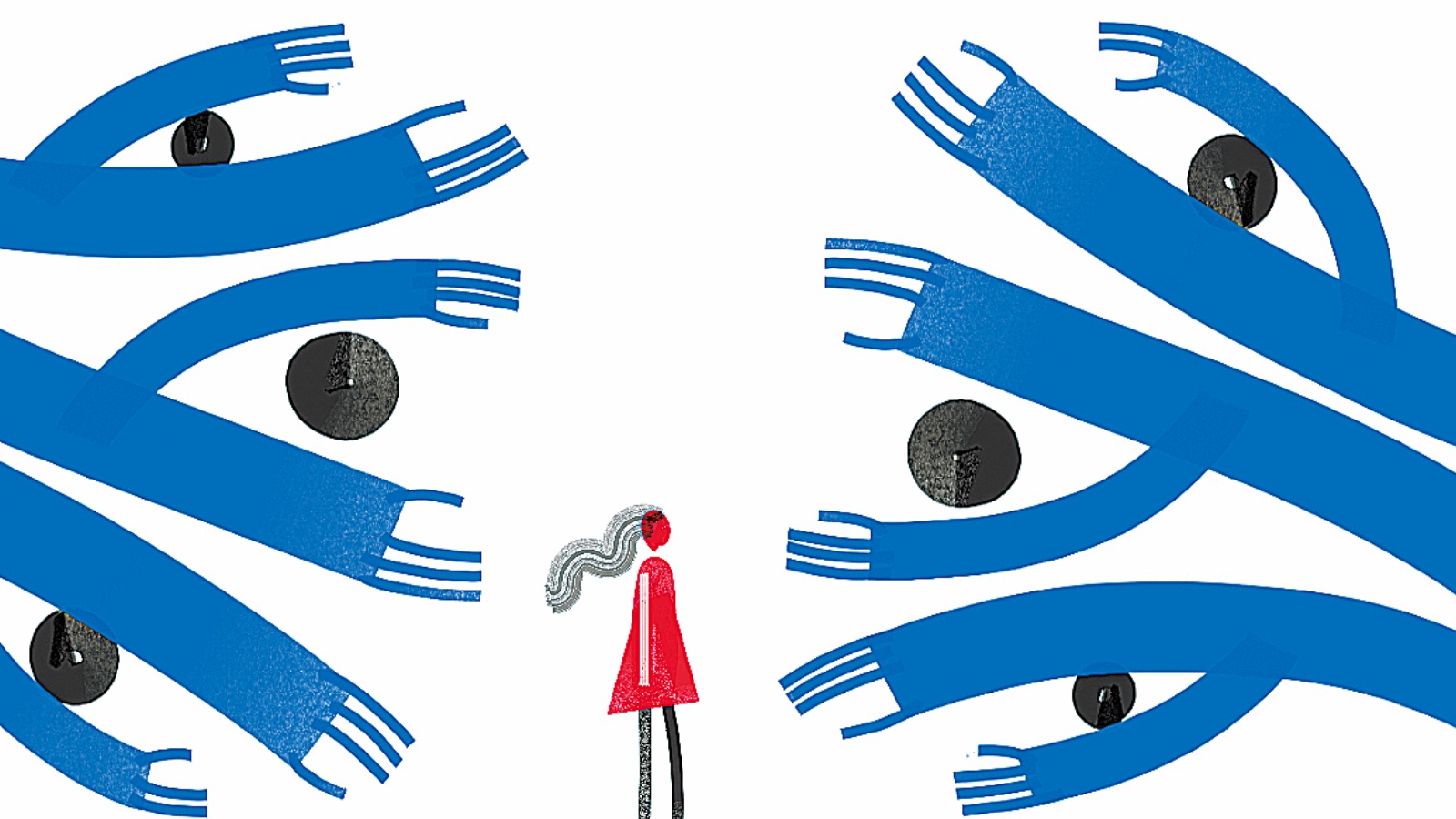
South Calcutta Law College and Cornell University, though geographically distant, share common ground in a troubling lesson. Both institutions witnessed students sexually assaulting fellow students in packs, facilitated by smartphones used to record and propagate the crimes. The shared patterns reveal a disturbing trend: men are seeking social validation through these heinous acts, often performing in front of a digital audience.
These incidents heighten stereotypes of India's perceived unsafe environment for women and American frat culture's predatory reputation. However, the story extends beyond college campuses and Indian backstreets. Even the tranquil village of Mazan in southeastern France, with its picturesque landscape, harbored a more sinister tale of a man drugging his wife and inviting others to rape her.
The common denominators that transform a man into a wolf and form a wolf pack include a group dynamic, private spaces, and the belief that no one will betray the secret. Digital culture plays a crucial role, making it easier to organize, film, and share these atrocities. Online platforms amplify the perpetrators' confidence and provide them with an audience, while also leaving a digital footprint that can aid in convictions.
Surprisingly, internet pornography may contribute to normalizing such assaults, as evidenced by disturbing statistics from England and the United States. To combat this, it is essential to preserve evidence, break the group's silence, and hold accountable those who allow such cases to be buried. These lessons emphasize that the conditions for a pack to form are universal and can emerge in the most unexpected of places.
Written by urgent.news from The Indian Express's reporting — not their text. Machine-written — may contain errors; check the original before relying on it.