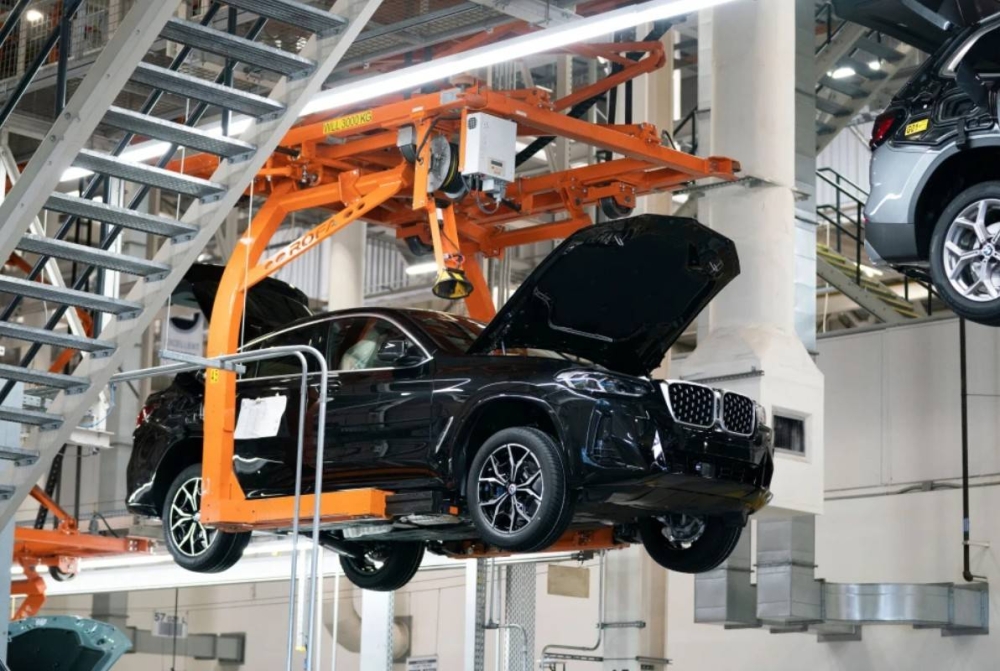
Europe gets made-in-China policy wrong as EV tariffs fail to curb Chinese carmakers’ advance
AgenciesBrusselsSince 2024, the European Union has layered additional duties of up to 35 percent on electric vehicles assembled in China, stacked on top of its standard 10 percent...
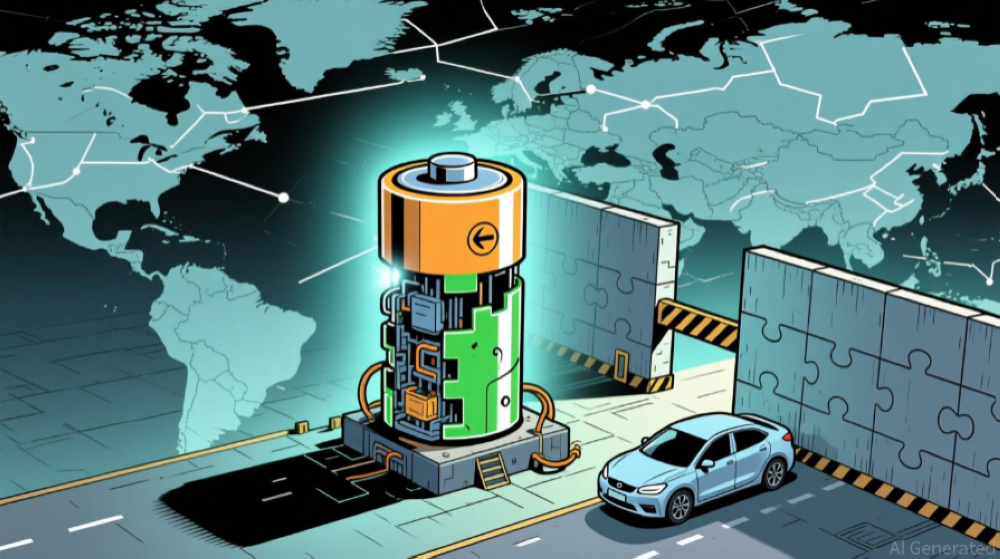
The European Union has implemented additional duties on electric vehicles (EVs) assembled in China, with rates reaching up to 35 percent on top of the standard 10 percent car import duty. The policy aims to level the playing field by taxing the country of origin, making Chinese-made EVs more expensive and fostering competition for European manufacturers.
According to an analysis by Transport & Environment, the tariffs led to a decrease in the share of EVs made in China within the EU battery-EV market from 22 percent in 2024 to 17 percent in Q1 2026. However, the decline was largely driven by Western brands relocating production out of China rather than Chinese carmakers being restrained.
In fact, Chinese carmakers now account for more than half of all Chinese-built BEV imports into the EU. The policy's primary focus on final assembly, the cheapest link in the chain, allowed Chinese battery imports, which have risen seven-fold between 2020 and 2025, to evade the tariff's impact. Consequently, the policy has failed in restraining Chinese EV brands, as they have merely adjusted their production routes to circumvent the duties.
Moreover, the price advantage of Chinese-made EVs persists despite the tariffs, with Chinese cars still being about 21 percent cheaper than comparable European EVs. The EU's policy, which targets the final assembly stage, overlooks the significant cost advantage Chinese manufacturers hold in battery production. This oversight may result in higher consumer costs without providing substantial protection to EU battery makers.
Furthermore, a recent approval by the Commission for Volkswagen's Cupra brand to exempt its Tavascan, built in China, from the duties, highlights the policy's shift from focusing on origin-based tariffs to managing competition through a minimum-price-plus-quota arrangement. This new approach does not effectively address the underlying issue of Chinese cost advantages, which stem from subsidies, scale, and battery control.
To truly protect European automakers and battery suppliers, the EU should reconsider its tariff strategy, ensuring it targets the critical input that determines European EV economics, i.e., batteries. Additionally, monitoring whether Chinese entrants maintain their price advantage as they establish production facilities in Europe would provide insight into the policy's efficacy.
Written by urgent.news from Qatar Tribune Business's reporting — not their text. Machine-written — may contain errors; check the original before relying on it.
This story
This is one outlet's version. Read the fullest account.