Eine Million Dollar pro Tag: Hinter den Kulissen des Ölmarktes machen Schiffseigner das Geschäft ihres Lebens
Ein noch nie gesehener Preisschub für das Chartern von Öltankern beschert den Besitzern enorme Gewinne. Mittendrin sind Schweizer Rohstoffhändler wie Trafigura und Reeder wie MSC.
Million dollar profits per day are driving the oil market, with ship owners reaping the benefits. Swiss commodity traders like Trafigura and ship owners like MSC are the biggest profiteers, not the oil giants. The real heroes behind these skyrocketing oil and fuel prices are the owners of oil tankers. Before oil could be sold at a high price, the crude needed to be transported from the production sites to the refineries, a task performed by massive tankers. This business was once a spectacle but now it's a hot topic in the commodity markets.
The prices for using the largest crude carriers (VLCC) have exploded. These behemoth ships can carry around 2 million barrels of crude oil. Just a year ago, it cost around $100,000 a day to send such a ship from the Persian Gulf to China. Today, it's a million dollars. The daily fees for other routes have also become as high as never before, with six-digit amounts now common.
One tanker boss admitted at a recent conference in New York that he'd been less optimistic since a coronavirus vaccine was developed, reported the industry portal "Lloyd’s List". The reason? The Iran war. Due to the complications surrounding the Strait of Hormuz, the supply routes for crude oil in the Middle East have become incredibly complicated.
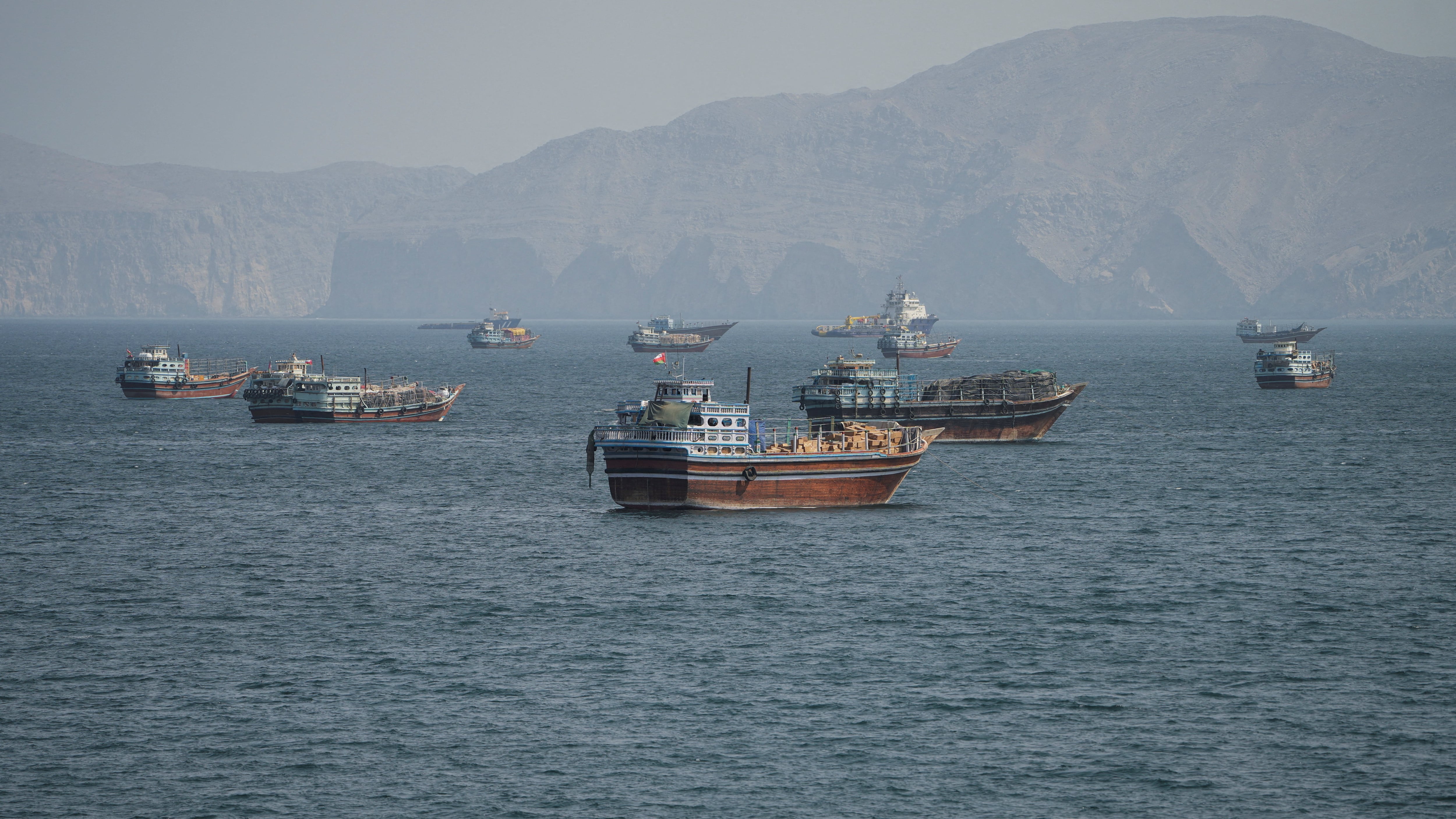
Many oil cargoes take much longer than before. The tankers are occupied for longer periods. The available freight capacity is scarce – and that makes it expensive. In the Strait of Hormuz, a shuttle system has taken hold. From the Persian Gulf, a fleet of tankers makes a pendulum trip carrying cargo to the Gulf of Oman. There, it is unloaded onto other tankers which transport it further.
The system is risky, the premiums are high, and it's complicated, time-consuming, and requires more ships than before – but it works: Export volumes are nearly at pre-war levels according to estimates.
Saudi Arabia continues to export its crude differently: it loads the oil at the west coast of the kingdom. However, due to the threat of rebels in Yemen, the tankers cannot sail south through the Red Sea but only north to the Suez Canal. Since the canal is too small for the large VLCC, the oil is first unloaded onto smaller tankers or transported through a pipeline.
In the Mediterranean, the crude is pumped back onto VLCC and then makes its long journey through the Strait of Gibraltar and around Africa to Asia, where the biggest customers await. That many ships are tied up for these export routes sends shockwaves through the world's oceans. Even oil transports in the Atlantic have become more expensive.
Chartering for smaller tankers has also become pricier, with many now being booked as replacements as the VLCC are occupied. One might think that oil tankers are typically owned by the big oil companies such as Shell, BP, Chevron, Exxon Mobil, or even Saudi Aramco. But that's often not the case, partly because margins for these transports have long been shallow – like so often in shipping.
Instead, there exists a highly specialized industry of ship owners and charterers who own and operate the tankers. These include commodity traders. One of the biggest among them, based in Geneva, Trafigura, has expanded: it created a company called Volare Shipping in Singapore in February and listed it on the Oslo stock exchange at the beginning of October.
Volare Shipping is a relatively small part of Trafigura's fleet, which includes over 200 oil tankers of various sizes and is one of the largest in the industry. But most of these ships are on long-term charter contracts. Trafigura only owns a few VLCC – and those are in Volare. The spin-off is the start of building a new fleet owned outright by Trafigura.
Eight more of these massive tankers are already ordered, set to be delivered in 2027 and 2028. More ships could follow, including larger sizes. Ownership means more control and flexibility than a long-term charter, and it protects against potentially high prices when renewing contracts. Volare has very few employees and is directly managed by Trafigura.
The Geneva-based commodity trader remains the majority owner. To make a profit, Volare needs to earn around $36,000 per tanker per day, according to documents Trafigura published for its Oslo stock listing. Volare aims to focus on the spot market, where ships are booked for short-term use. This segment is far smaller than the global fleet of VLCC, many of which are bound to long-term charter contracts or exclusively operate on behalf of oil companies.
So Volare is right in the middle of the price rally. In the past twenty years, charter prices on the spot market rarely exceeded $60,000. For years, they were also below the break-even point that Volare needed. Since 2022, they have been steadily above it. But now supply and demand have flipped. Those who are in this market are richly rewarded.
Written by urgent.news from NZZ Wirtschaft's reporting — not their text. Machine-written — may contain errors; check the original before relying on it.