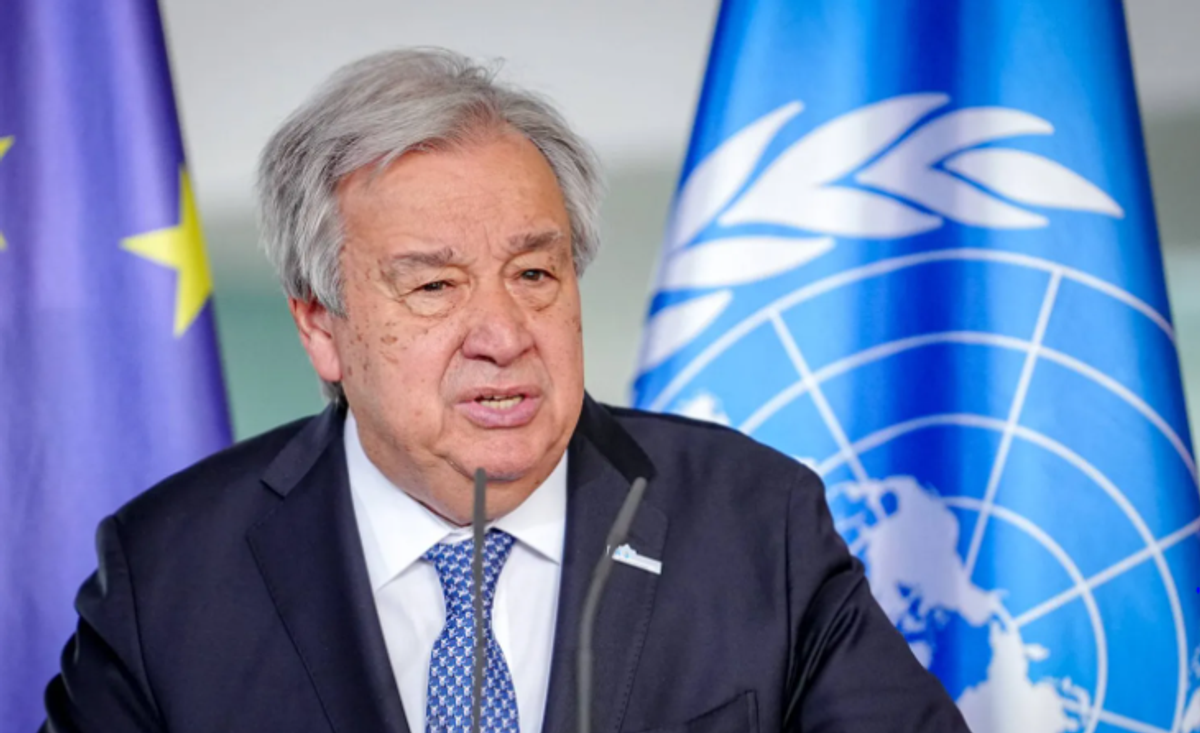
Egypt continues efforts to de-escalate Middle East tensions, says president
Egyptian President Abdel Fattah El-Sisi says Cairo is working to halt escalation in the Middle East and calls for comprehensive political solutions.
Republican lawmakers from both parties have joined Democrats in expressing concerns over President Donald Trump's decision to ease sanctions on Russian diesel. This move, announced on October 9th, is said to bolster Vladimir Putin's war economy rather than alleviate any financial burdens for American consumers. The criticism comes in the wake of the recently enacted sanctions legislation intended to pressure Russia and its trading partners.
Former US Ambassador to Ukraine Steven Pifer warned that the decision would undermine Washington's peace efforts and not significantly lower diesel prices. Rep. Don Bacon and Rep. Michael McCaul, both Republicans, have harshly criticized the agreement, with Bacon stating that it reflects the president's "moral blindness" towards Putin.
McCaul questioned the impact of easing economic pressure on Moscow, suggesting that lifting oil sanctions could finance the Kremlin's military operations and encourage further attacks. Democratic Sen. Richard Blumenthal, a co-author of the bipartisan Russia sanctions legislation, condemned the agreement as a reversal of congressional efforts to deprive Moscow of war revenue.
He warned that the decision would benefit the Chinese and Russian economies, and lead to more civilian casualties in Ukraine. The criticism follows Trump's signing of the Lindsey O. Graham Sanctioning Russia and Iran Act on September 18th, which aimed to strengthen economic pressure on Moscow and its allies. Former US Ambassador to Ukraine Steven Pifer called Trump's decision "very unwise," noting that the 300,000 tons of Russian diesel represent less than half a day's US consumption, and thus would have minimal impact on prices.
Former diplomat Daniel Fried also criticized the timing, warning that revenue from Russian diesel sales could support Moscow's war efforts. Ukraine's sanctions commissioner questioned the impact of Ukrainian strikes on Russian refineries, suggesting that rising global diesel prices were primarily due to the Iran conflict and blockade.
Trump defended the agreement as a means to reduce fuel costs, which have been a burden for American farmers, truck drivers, and consumers amidst the ongoing conflict in Iran.
Written by urgent.news from Kyiv Post's reporting — not their text. Machine-written — may contain errors; check the original before relying on it.
This story
This is one outlet's version. Read the fullest account.
- Middle East war live: 136 Houthi targets hit; Trump announces Russian diesel deal gulfnews.com
- US Republicans Join Democrats in Warning Trump’s Russia Diesel Deal Will Hurt, Not Help kyivpost.com
- Trump hails Russia deal to release diesel as midterms loom thejakartapost.com
- Trump hails Russia deal to release diesel as midterms loom, Zelensky criticises ‘unworthy’ move malaymail.com
- Trump hails Russia deal to release diesel as midterms loom punchng.com
- Trump hails Russia deal to release diesel as midterms loom france24.com
- Trump welcomes Russian role in resolving Iran crisis, Kremlin says english.ajel.sa