Educators Stress Critical Thinking, Emotional Intelligence And Mental Well-Being As AI Reshapes Classroom Learning
Mumbai: As artificial intelligence (AI) increasingly shapes classroom learning, educators and mental health professionals have stressed the need to prioritise critical thinking, emotional intelligence and human relationships alongside technological skills. Experts Discuss AI's Impact On Education The concerns were discussed at the inaugural edition of Educators' Edge: The Human Edge in the Age of…
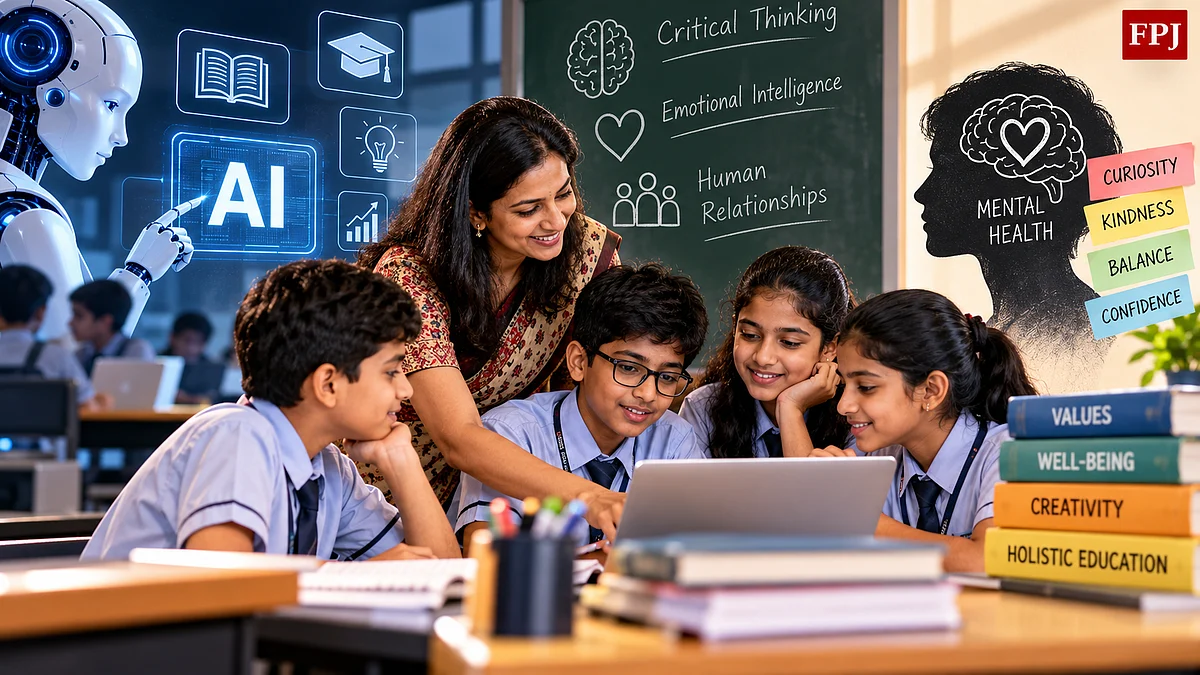
Mumbai - As artificial intelligence (AI) becomes more prevalent in classroom learning, educators and mental health experts have emphasized the importance of fostering critical thinking, emotional intelligence, and human connections alongside technical skills. The discussions took place at the inaugural Educators Edge: The Human Edge in the Age of AI, an event organized by the Art of Living Foundation's Children & Teens Desk on October 10 in observance of World Mental Health Day.
The event gathered school leaders, psychologists, educators, and child development specialists to explore the impact of AI on students' mental health and overall growth.
Abhimanyu Basu, the Dean and CEO of Dhirubhai Ambani International School, argued that AI should be utilized effectively only if children comprehend its role as a supportive learning tool rather than a means to complete their thinking for them. He also highlighted the shared responsibility of schools and families in handling relationships thoughtfully.
Revathi Srinivasan, Director of Education and Group Dean of Singhania Group of Schools, stressed the significance of meaningful communication between parents and children. She pointed out that families often engage in interrogations instead of conversations, resulting in gaps in relationships and potentially pushing children towards unhealthy sources of connection.
Dr. Smita Desai, founder of Drishti, underscored the importance of self-regulation and value development in guiding children's use of technology, aiming to minimize the need for restrictive measures. The conversation also stressed the necessity of teachers' emotional well-being, as emotionally balanced educators can create a positive learning environment and receive parents' immense trust in their abilities.
The panelists advocated for a shift away from an excessive emphasis on examinations and marks towards nurturing curiosity, independent thinking, and a genuine passion for learning. They urged students to be active learners and problem-solvers, rather than relying excessively on AI-generated responses. The event concluded with a collective call for educators, parents, and policymakers to collaborate in creating learning environments that prioritize mental well-being alongside academic success and technological progress.
Rewritten by urgent.news; may contain errors — check the original.
Source: freepressjournal.in