Does written language speed up or slow down cultural change?
The written word has been revolutionary in preserving ideas from the past, and transmitting new ones in the present. But does it favor tradition or change?
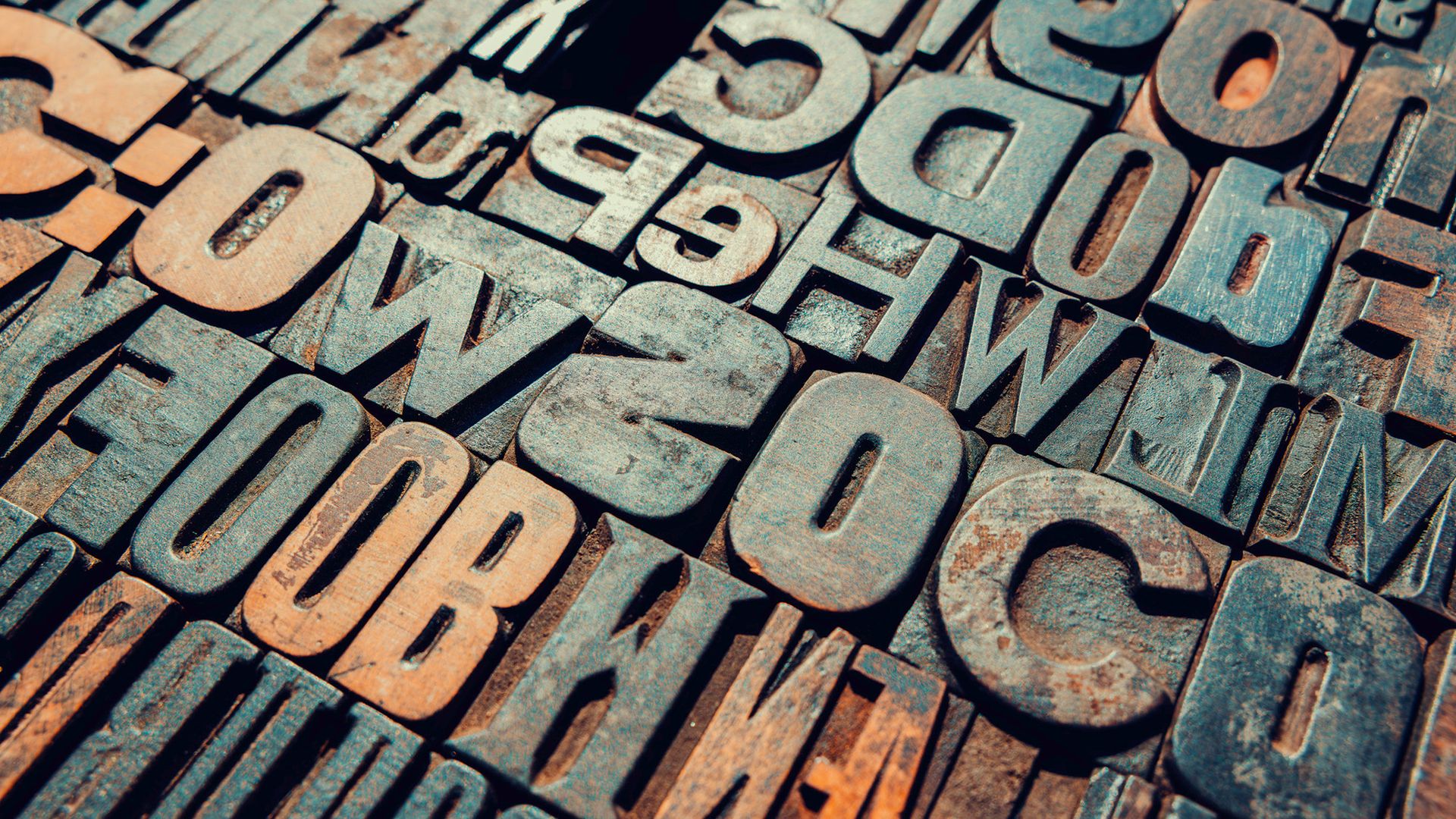
The written word is a crucial information technology for humanity, ensuring that mathematical and scientific discoveries are not lost to history. However, written language may also lock ideas in place, preventing cultural change. Russell Gray, a professor at the Max Planck Institute for Evolutionary Anthropology, leads a research project examining how writing impacts language evolution.
His team employs methods from evolutionary biology to trace languages through family trees, akin to the way biologists trace species. Gray posits that writing generally slows down cultural evolution, as it is highly codified and requires training. However, other experts argue that writing can also lead to "canalization," narrowing the range of thought and limiting the exploration of alternative perspectives.
Religious texts and legal codes, for instance, illustrate how written rules can shape societal practices, even centuries after their creation. Additionally, writing may accelerate cultural change by preserving knowledge beyond human memory, thereby facilitating the spread of information through societies. This notion is supported by the fact that written knowledge storage surpasses the limitations of human memory and can prevent the loss of information, potentially accelerating the cumulative cultural evolution process.
Despite these arguments, the question remains open, as the complexity of writing's relationship with cultural evolution is intertwined with other factors such as contact, trade, and war, making it difficult to isolate writing's effects. Moreover, the recent rise of mass literacy may limit the impact of written language on cultural evolution.
While both researchers believe writing likely speeds up cultural change, empirical evidence is still lacking.
Written by urgent.news from Live Science's reporting — not their text. Machine-written — may contain errors; check the original before relying on it.