Dear young protestors, you must build solidarities
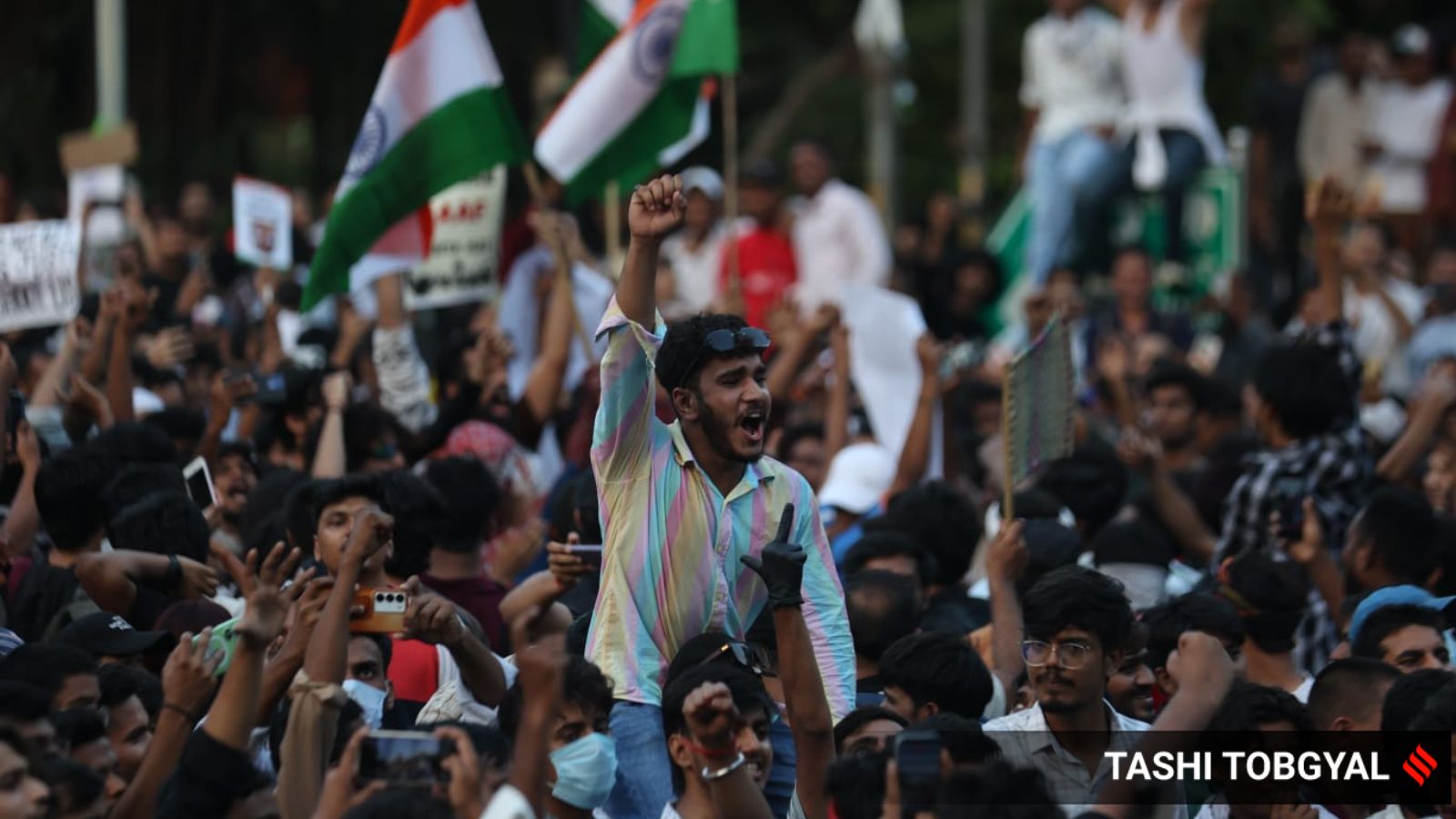
I write to you today not as a Member of Parliament or a professor, but as someone who has witnessed countless protests and movements from the sidelines. My students often share your powerful slogans, posters, and memes, and I am consistently impressed by your tenacity, determination, and unwavering spirit. While movements may start with a small group of individuals, they can rapidly expand into something far greater than anyone could have imagined. However, I have also observed how courageous struggles can quickly lose momentum.
In academic settings, we examine protests from a distance, analyzing theories, frameworks, and political opportunities. However, the reality of protest is far more visceral. For those who take to the streets, their motivations may range from seeking dignity and livelihood to demanding justice and an uncertain future. Often, it is the culmination of enduring patience that finally compels someone to break their silence.
That is where every protest begins – with a collective recognition that silence is no longer an acceptable answer.
People from various walks of life, different social classes, and diverse backgrounds have united to fight against injustice. Yet, their struggles often remain isolated within their own communities. Sanitation workers fight for safety and fair treatment, while gig workers remain disconnected from their plight. Farmers take to the streets for fair wages, while industrial workers remain onlookers. Students protest against unfair practices, yet most adults treat these issues as someone else's concerns.
This lack of solidarity is troubling, as we are all interconnected by fundamental questions of dignity, equality, opportunity, and justice. Acknowledging these shared concerns is the first step towards building bridges between different movements. Democracy thrives when citizens refuse to remain indifferent to one another's struggles.
However, trust among young people from various backgrounds, whether affiliated with political parties, student organizations, or independent groups, is often lacking. I understand the reasons behind this skepticism, as we all come from different experiences and perspectives.
While we may disagree on the nature of problems, methods of resistance, and desired political outcomes, we must avoid allowing these disagreements to turn into suspicion and hostility. Movements can weaken themselves when trust erodes. We must vehemently oppose patriarchy, casteism, and prejudice. No compromise is acceptable on matters of principle. But where our differences lie in degrees, in ideas, opinions, or strategies, we must learn to coexist and collaborate.
The Constitution serves as the most crucial common ground for all of us, offering a shared linguistic framework that transcends party affiliations, ideological boundaries, and social identities. While it is natural to be impatient with injustice, we must not let this impatience morph into indifference or hostility towards others. Our goal is not merely to have our voices heard but to foster a society where no voice can be silenced simply because it belongs to someone else.
The strength of a democratic movement lies not only in the courage to resist injustice but also in the willingness to recognize and support one another's struggles as integral parts of the collective pursuit of justice.
Written by urgent.news from The Indian Express's reporting — not their text. Machine-written — may contain errors; check the original before relying on it.