Commentary: What’s in the melting Russian permafrost may be scarier than plague
There is another health threat brewing in Russia that deserves more attention and alarm, says Lara Williams for Bloomberg Opinion.
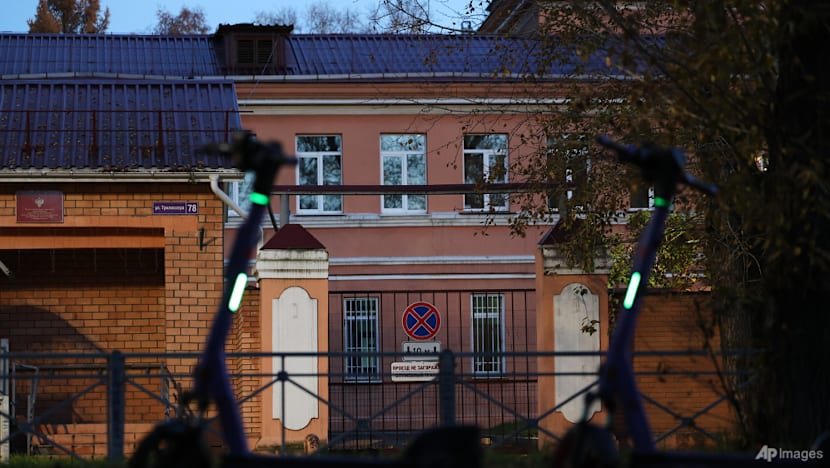
Russia's melting permafrost poses a potentially more dangerous health threat than the recent plague case, warns Lara Williams for Bloomberg Opinion. While the cause of a lab technician's death remains unclear, broader concerns loom from the region's permafrost. The frozen ground contains remnants of past pandemics, including traces of smallpox virus DNA from a 300-year-old mummy and influenza virus RNA from a body preserved since 1918.
Researchers have even managed to revive ancient pathogens, some of which could pose new threats to humans. While current drugs can combat familiar bacteria like staph and Campylobacter, antibiotic-resistant genes are increasingly common in the thawing permafrost. The rapid warming of the Arctic, driven by human-caused climate change, accelerates the thawing process.
This not only raises the risk of ancient pathogens being released but also increases the potential for outbreaks to spread globally, given the region's growing industrialization and influx of migrant workers. The opaque handling of the suspected plague case further complicates efforts to assess risks. As the WHO stresses, timely and transparent information sharing is crucial for accurate risk assessment.
The lack of transparency, particularly in Russia's response, leaves open questions about the true health dangers posed by melting permafrost.
Written by urgent.news from Channel News Asia's reporting — not their text. Machine-written — may contain errors; check the original before relying on it.