Can Gyanesh Kumar be prosecuted? Explaining Section 16 of CEC Act as CJP, Oppn allege CEC took unilateral decisions
The Supreme Court questioned whether a 2023 law gives the Chief Election Commissioner and other election commissioners greater legal protection than constitutional court judges. The case concerns alleged unilateral decisions by CEC Gyanesh Kumar during electoral-roll revisions.
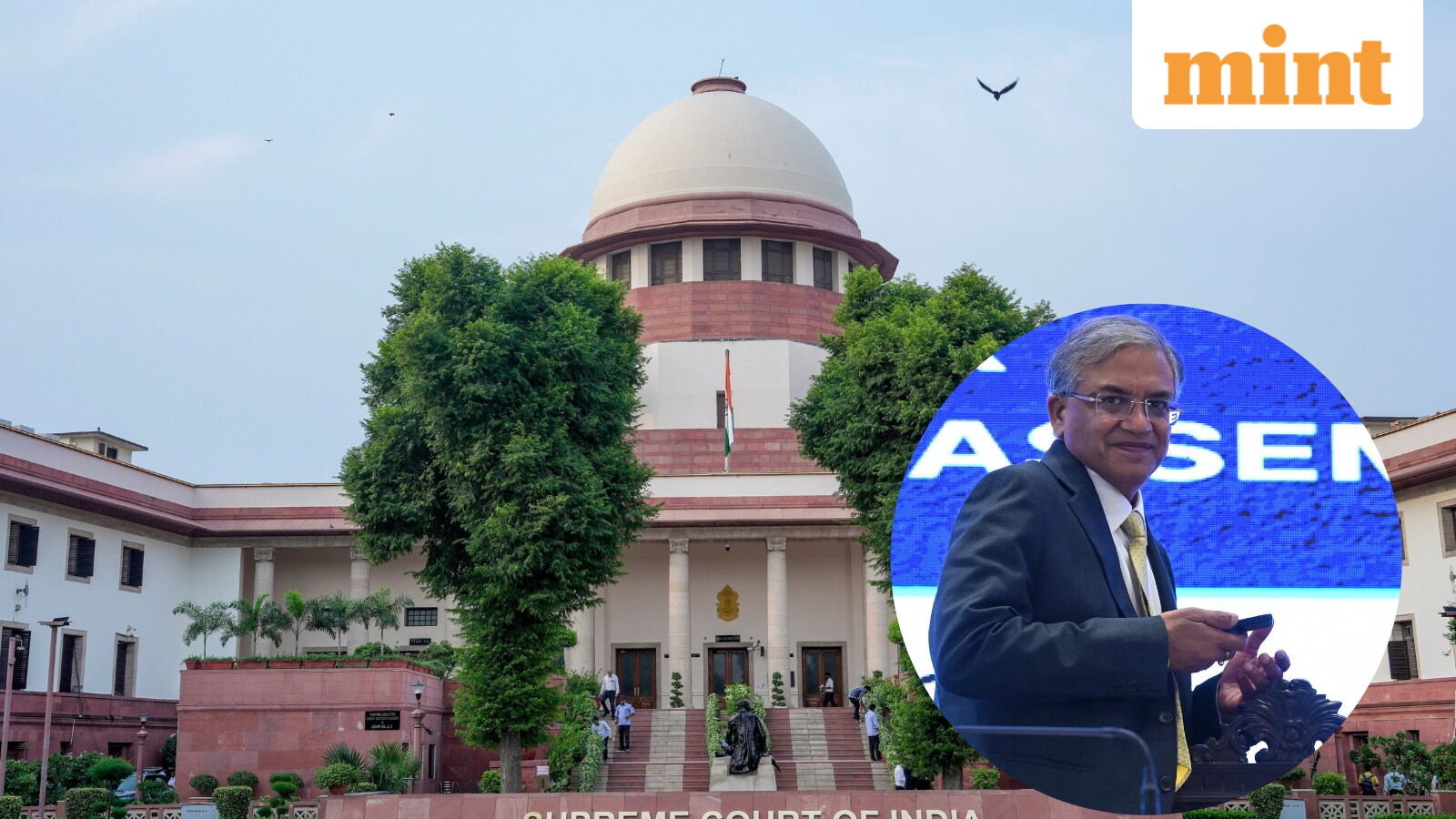
The Chief Election Commissioner (CEC) and other election commissioners are shielded from both civil and criminal proceedings under Section 16 of the 2023 Act, according to the Supreme Court. This protection extends even after they leave their positions. During a recent hearing, the Court observed that this protection may be more extensive than what judges receive, potentially placing the CEC above even the Supreme Court judges.
The opposition parties, including the Cockroach Janta Party (CJP) and other parties, allege that the CEC took unilateral decisions concerning the Special Intensive Revision (SIR) of electoral rolls, without consulting the other election commissioners. The Court has issued a notice to the central government, the Election Commission, the CEC, and the other election commissioners in this matter.
However, no final ruling has been made yet regarding the extent of the protection under Section 16 or whether the CEC can be prosecuted.
Written by urgent.news from Live Mint's reporting — not their text. Machine-written — may contain errors; check the original before relying on it.