BlackBerry Was Huge in Colombia; What Happened to the Iconic Phone?
There was a time when carrying a BlackBerry phone (in Colombia and beyond) was a sign that you were connected, productive, and, perhaps, a very important person. Its physical QWERTY keyboard, push email, and BlackBerry Messenger service made the Canadian brand one of the defining names of the early smartphone era. Today, however, BlackBerry phones […]
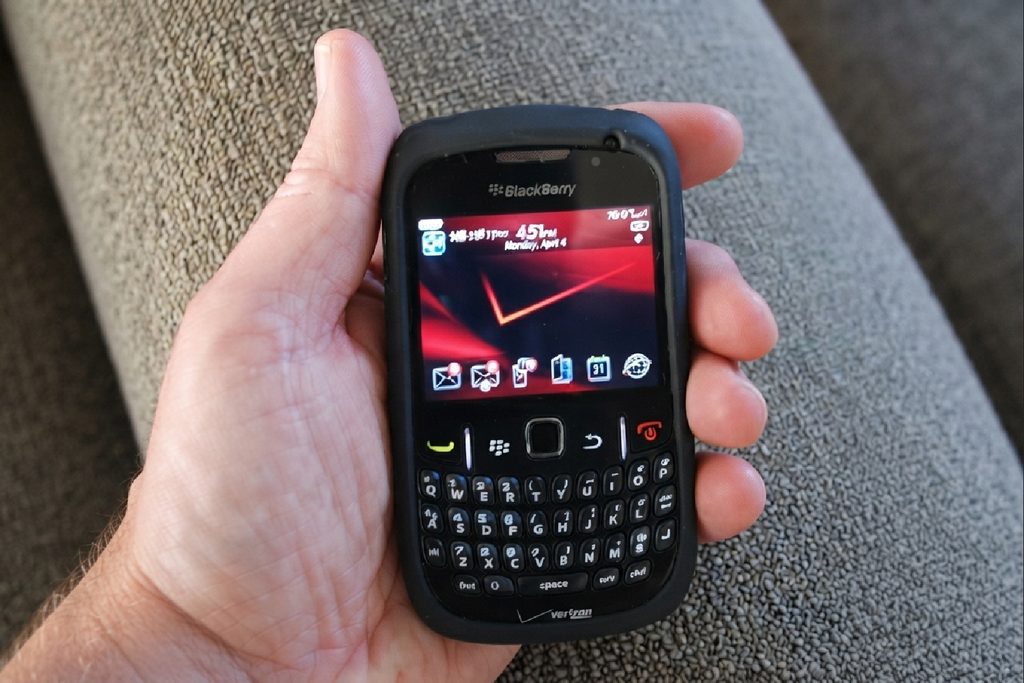
In the early days of the smartphone era, carrying a BlackBerry phone in Colombia was a symbol of being well-connected, productive, and potentially important. The Canadian brand's physical QWERTY keyboard, push email, and BlackBerry Messenger service made it one of the defining names of the smartphone era. However, BlackBerry's fate took a turn as the market evolved.
The company transitioned from hardware-focused manufacturing to a software business, and the prospect of a smartphone resurgence was mostly confined to nostalgia. Today, BlackBerry phones are essentially a relic of the past.
BlackBerry, originally Research In Motion, emerged as a major player in mobile communications by recognizing the desire for email accessibility. Its physical keyboards were practical for typing messages, and the company's network infrastructure became synonymous with security and reliable business communication. By the early 2010s, BlackBerry was a common sight in corporate offices and government institutions.
However, the smartphone market was undergoing rapid changes. Apple's iPhone introduced touchscreen-centric smartphones, while Google's Android operating system allowed numerous manufacturers to compete across various price points. BlackBerry's traditional strengths became less significant as consumers demanded larger touchscreens, powerful app ecosystems, and multimedia features.
Despite attempts to regain market share with BlackBerry 10 and later Android-based phones, BlackBerry struggled to develop an ecosystem that could compete with Apple's App Store and Google's Android ecosystem. The company ultimately decided that competing directly in hardware was no longer viable, and began outsourcing handset development while focusing on software and enterprise services.
In 2022, BlackBerry shut down legacy services for devices running BlackBerry 7.1 and earlier, effectively marking the end of the classic BlackBerry era. While the brand remains valuable, the question of whether BlackBerry phones could ever return remains open. A comeback would require offering more than just nostalgia, such as current Android software, competitive cameras, long-term security updates, 5G connectivity, a strong battery life, and an app ecosystem comparable to other smartphones.
Written by urgent.news from Colombia One's reporting — not their text. Machine-written — may contain errors; check the original before relying on it.
This story
This is one outlet's version. Read the fullest account.